Laboratories serve as the hub of scientific discovery, where breakthroughs are made and innovations are born. To maintain the integrity of experiments and research, it's imperative that laboratory instruments remain sterile and free from contaminants. In this article, we explore the critical role of sterilization in laboratory settings and the methods, guidelines, and challenges associated with it.
Why Sterilization is Crucial
Sterilization is the process of killing or eliminating all forms of microorganisms, including bacteria, viruses, and fungi, from laboratory instruments and equipment. This is vital because even a tiny speck of contamination can compromise experimental results, rendering months of hard work useless. Sterilization ensures that the variables being tested are the only factors influencing the outcomes.
Common Laboratory Instruments
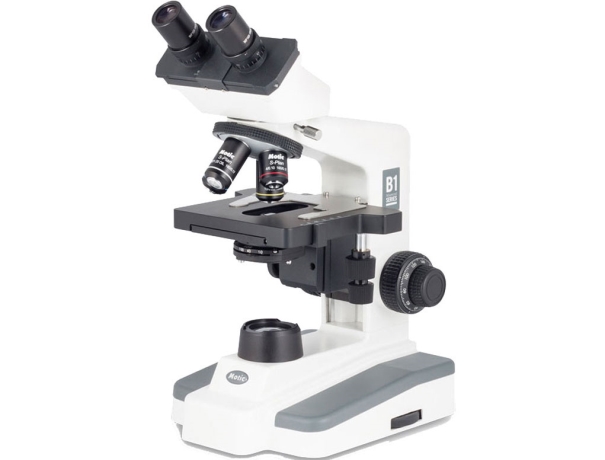
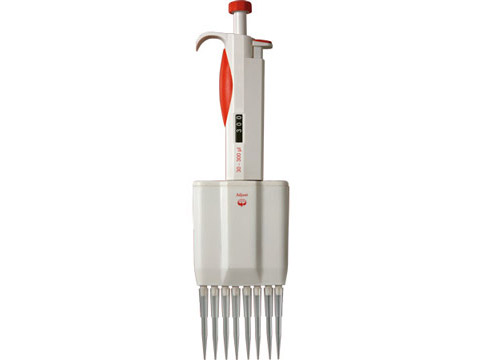
Laboratories are equipped with various instruments, including microscopes, pipettes, and autoclaves, each of which requires specific sterilization methods.
Microscopes are essential for magnifying tiny specimens. Regular cleaning and sterilization of lenses and eyepieces prevent distortion and maintain clarity.
Pipettes
Accurate measurements are crucial in experiments. Pipettes, used for precise liquid transfer, must be sterile to avoid cross-contamination.
Autoclaves
Autoclaves are used to sterilize equipment and media by applying high-pressure steam. They are a cornerstone of laboratory sterilization.

Methods of Sterilization
Different instruments and materials demand specific sterilization methods.
Autoclaving
Autoclaving is the most common method, using pressurized steam to kill microorganisms. It's effective for most laboratory equipment and glassware.
Chemical Sterilization
Chemical agents like hydrogen peroxide or ethylene oxide gas can be used for materials sensitive to heat and moisture.
Dry Heat Sterilization
This method is suitable for glassware and instruments that can withstand high temperatures without melting.
Sterilization Guidelines
To ensure successful sterilization, laboratories should follow specific guidelines.
Equipment Preparation
Properly clean instruments before sterilization to remove debris and organic matter.
Sterilization Procedures
Follow manufacturer instructions and recommended parameters for each sterilization method.
Sterilization Validation
Validation is crucial to confirm the effectiveness of sterilization.
Biological Indicators
Biological indicators containing spores are used to test the sterilization process.
Chemical Indicators
Chemical indicators change color when exposed to specific sterilization conditions, providing a visual confirmation of sterilization.
Maintaining Sterile Conditions
Apart from instrument sterilization, maintaining overall lab cleanliness is essential.
Cleanliness and Organization
Regular cleaning, disposal of waste, and organized storage prevent contamination.
Personal Hygiene
Lab personnel should adhere to strict personal hygiene practices, including proper handwashing and the use of protective gear.
Sterilization using an autoclave
Autoclave sterilization is crucial for the following reasons:
- Elimination of Microorganisms: Autoclaves use high-pressure steam to eliminate all forms of microorganisms, ensuring that experimental outcomes are not influenced by contaminants.
- Consistency and Reliability: Autoclaving provides consistent and reliable sterilization results, making it an industry standard for laboratory instruments.
- Laboratory Safety: Sterile instruments contribute to a safer laboratory environment, minimizing the risk of cross-contamination and infections.
Understanding Autoclaves
Autoclaves are specialized devices that use steam, pressure, and temperature to sterilize laboratory instruments, glassware, and other materials. They come in various sizes and configurations, but the basic principles remain the same.
The Autoclaving Process
Autoclaving involves several key steps:
Preparing Instruments
- Ensure that instruments are clean and free of debris and organic matter.
- Place them in autoclave-safe bags or containers, leaving enough space for steam circulation.
Loading the Autoclave
- Arrange instruments in the autoclave chamber, being cautious not to overcrowd, which can impede sterilization.
- Follow autoclave manufacturer guidelines for proper loading.
Sterilization Cycle
- Start the autoclave cycle, during which the chamber is pressurized with steam.
- The temperature and pressure rise to effectively kill microorganisms.
- The sterilization time varies depending on the load and autoclave settings.
- Once sterilization is complete, the autoclave depressurizes and cools down.
Sterilization Validation
Validation ensures the effectiveness of autoclave sterilization. Two main methods are used:
Biological Indicators
- These contain heat-resistant spores that are subjected to autoclaving.
- If the spores are killed, it confirms the success of sterilization.
Chemical Indicators
- These indicators change color when exposed to specific sterilization conditions, providing a visual confirmation of sterilization success.