A thermocouple is a type of sensor that is used to measure temperature. It consists of two different metals (referred to as "thermocouple wires") that are joined together at one end, creating a circuit. When there is a temperature difference between the two junctions (referred to as the "hot" and "reference" junctions), a small voltage is generated that can be used to determine the temperature at the hot junction.
TYPES
The most common types of thermocouples are made from combinations of iron, nickel, copper, and chromium. The most common type is the Type K thermocouple, which is made from nickel-chromium and nickel-aluminum. Other types include Type J (iron-constantan), Type T (copper-constantan). Each type has a specific temperature range and level of accuracy, and is suited for different applications.
The temperature range of a thermocouple depends on the type of metal alloys used to make the thermocouple wire. For example, Type K thermocouples have a range of -270 to 1300 °C and Type E thermocouples are able to measure the temperature up to 1700 °C.
The accuracy of thermocouples can vary depending on factors such as the quality of the thermocouple wire, the type of metal alloys used, and the environment in which the thermocouple is used. In general, the accuracy of thermocouples is in the range of ±1-2% of the full scale reading.
Thermocouples are typically insulated to protect the wires and to prevent unwanted temperature effects on the reference junction. insulation materials include ceramic, fiberglass, and silicone rubber.
Thermocouples are widely used in industry in a variety of applications. They are commonly used in manufacturing and process control, as well as in laboratory and scientific research. They are also used in power generation, aerospace, and many other fields. Some specific applications include monitoring furnace temperatures, measuring temperatures in boilers, and measuring temperature in diesel engines, for example.
Type K thermocouples are made from nickel-chromium and nickel-aluminum alloys, and are the most common type of thermocouple. They are known for their accuracy and stability, and have a wide temperature range of -270 to 1300 °C. They can be used in a variety of applications, including HVAC and refrigeration systems, heat treating processes, and furnace temperature measurement. They are also used in gas turbine exhaust temperature measurement and in chemical processing industries.
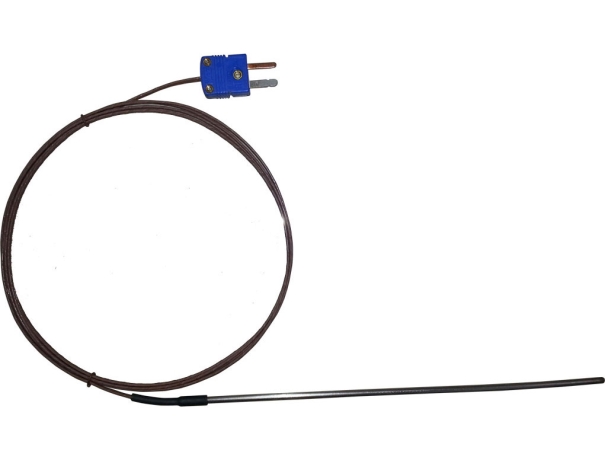
Type T thermocouples are made from copper-constantan alloys, and have a lower maximum temperature range compared to type K, up to around 400 °C. They are known for their stability, and have a good accuracy rate. They are commonly used in applications where higher temperatures would cause a drift in the reading, like food processing and in cryogenic applications. They are also commonly used in applications that require high precision such as laboratories and test equipment.
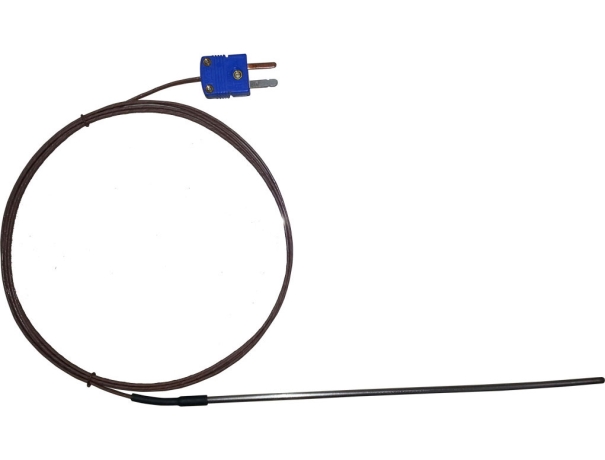
Type R and S thermocouples are made from platinum and rhodium alloys and have a high temperature range and good stability and accuracy.
Type R thermocouples are made of platinum and rhodium alloys, with a temperature range between 0 and 1700 °C. They are known for their high stability and accuracy, and are commonly used in applications where high temperatures and corrosive environments are present, like in the chemical and petrochemical industries. They are also used in high-temperature furnace applications, in semiconductor and glass manufacturing, and in aerospace and power generation.
Type S thermocouples are similar to type R but with a slightly lower temperature range, up to 1600 °C. They are also known for their high accuracy and stability and are commonly used in similar high temperature and corrosive applications, as well as for measuring temperatures in high-pressure steam systems and in aircraft engines, for example.
These thermocouples are best used in high temperature and high corrosive environments, because they are made of a corrosion resistant alloy material. It is important to keep in mind that Type R and S thermocouples are also more expensive than other types due to the materials used.
Type N thermocouples are made from nicrosil and nisil alloys, it's a new type of thermocouple developed by Nickel Development Institute. They have a high temperature range, up to 1700 °C, and good stability and accuracy similar to type R and S.
Type N thermocouples are used in high-temperature furnace applications, in the aerospace industry, and in power generation. They are also used in the manufacturing of semiconductors, in glass manufacturing, and in the chemical and petrochemical industries. Type N thermocouples are also used in the measurement of temperatures in high-pressure steam systems and in aircraft engines, like in gas turbine exhaust temperature measurement.
Type N thermocouples have similar characteristics to type R and S thermocouples, but it has better resistance to sulfur, which makes it suitable for use in harsh environments where sulfur contamination is present, like in gas and oil industries, making it ideal for measuring temperature in oil and gas burners, and in other high-temperature and corrosive applications.
Like type R and S, type N thermocouples are also more expensive than other types due to the materials used and should be considered when cost is a significant factor. As with any thermocouple choice, it's always recommended to consult with a thermocouple supplier or an expert to determine which type is best for your specific application.
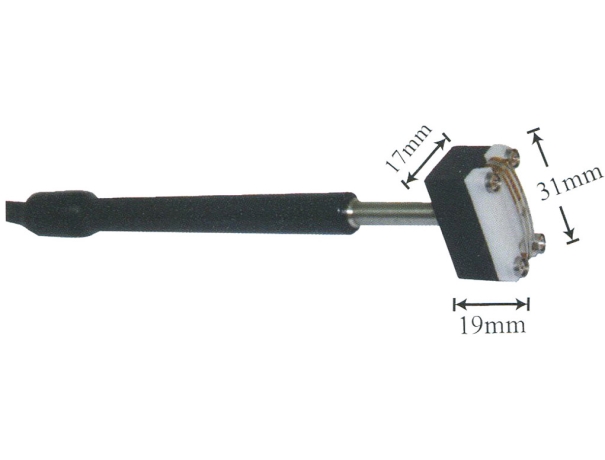
Both type K and T thermocouples are also used in many industrial applications such as in the production of steel, glass, and ceramics, in heat treatment and annealing, and in measuring temperature in combustion systems.
Keep in mind that there are many other types of thermocouples such as C and B that have specific temperature range, accuracy and characteristics that make them suitable for specific applications.
It is always a good idea to consult with a thermocouple supplier or a thermocouple expert to determine which type is best for your specific application.