In modern electronics laboratories, testing ovens are indispensable tools for quality assurance (QA).
Unlike standard laboratory ovens, testing ovens are specifically engineered to simulate controlled thermal conditions, enabling manufacturers to verify the reliability, durability, and performance of printed circuit boards (PCBs), electronic components, and electrical instruments.
What is a Testing Oven?
A testing oven is a specialized thermal chamber designed to expose electronic devices to programmed temperature cycles, thermal shocks, and controlled heating conditions.
The purpose is not simply to heat, but to test and measure how products respond under defined thermal stress, replicating real-world operational environments or accelerated aging scenarios.
Applications of Testing Ovens in Electronics Laboratories
- Thermal Endurance Testing: Testing how PCBs and components withstand prolonged exposure to elevated temperatures.
- Burn-in Testing: Operating components at high temperatures to accelerate failure rates and detect weak parts.
- Moisture Removal Before Testing: Eliminating trapped moisture in PCBs and components before reflow soldering or stress testing.
- Thermal Shock Simulation: Simulating abrupt changes in temperature to test mechanical and electrical resilience.
- Curing Processes Under Test Conditions: Curing adhesives, conformal coatings, and potting materials while monitoring thermal effects.
- Outgassing Testing: Heating components to release and measure volatile substances affecting performance.
Why Testing Ovens Are Critical for QA
- Detect hidden weaknesses.
- Simulate real operating environments.
- Guarantee long-term reliability.
- Comply with industry standards such as IPC, JEDEC, and MIL-STD.
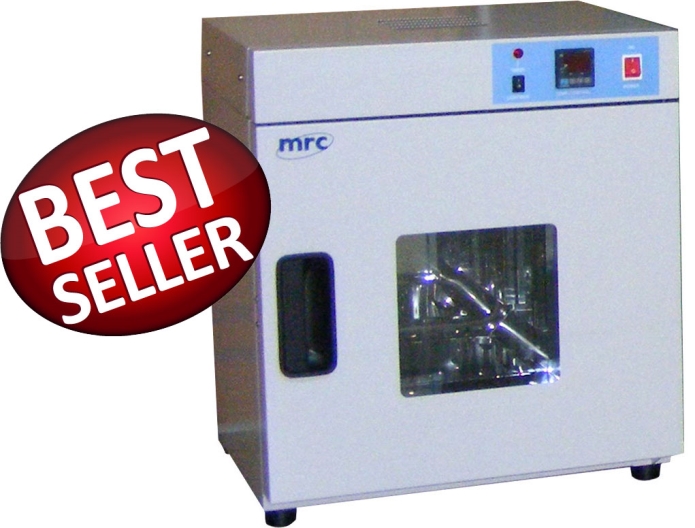
Key Features of a Good Testing Oven for Electronics
- Accurate and stable temperature control (±1°C or better).
- Programmable temperature profiles (ramping, soaking, cycling).
- Uniform air circulation.
- Low contamination heating.
- Over-temperature protection systems.
- Data logging and monitoring.
- Wide temperature range (ambient +10°C to 300°C or higher).
Important Options for Testing Ovens in Electronics Labs
- Cable Ports: Openings with heat-resistant seals that allow cables, sensors, or electrical connections to pass through the oven wall without compromising thermal integrity. Enables real-time monitoring and live testing.
- Temperature Programmers: Allow the creation of complex heating profiles, including ramps, soaks, and cooling phases. Enable precise simulation of operational cycles and integration with lab management systems.
Common Types of Testing Ovens for Electronics
- Thermal Cycling Ovens: Rapid temperature ramp-up and ramp-down.
- Burn-in Ovens: High-temperature endurance testing.
- Vacuum Testing Ovens: Contamination-free heating under reduced pressure.
- Environmental Chambers (Oven-Integrated): Combining temperature and humidity control.