A biological safety cabinet, also known as a biosafety cabinet or BSC, is a ventilated laboratory enclosure used to reduce exposure to biological aerosols during suitable laboratory procedures.
Biological safety cabinets are commonly used in microbiology, biomedical research, biotechnology, healthcare, pharmaceutical laboratories, cell culture and other environments where biological materials may create airborne contamination.
The correct cabinet can help protect laboratory personnel, the surrounding environment and, depending on the cabinet class, the work material itself.
However, a BSC is only effective when the correct cabinet is selected, installed, certified and used properly.
This guide explains what biological safety cabinets are, how they work, the differences between the main classes and what should be considered before choosing one.
What Is a Biological Safety Cabinet?
A biological safety cabinet is a controlled airflow enclosure designed for work with biological materials that may generate aerosols or splashes.
It is not simply a box with a fan.
A BSC uses carefully controlled airflow and HEPA filtration to help contain airborne biological particles and reduce contamination risk.
Depending on the class and design, a BSC may provide:
- Personnel protection
- Product protection
- Environmental protection
The type of protection depends on the cabinet class.
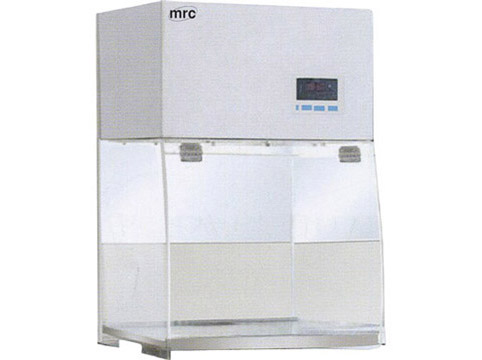
For example, Class II biosafety cabinets are commonly designed to protect the operator, the environment and the work material by combining inward airflow, filtered downflow and HEPA-filtered exhaust.
What Are Biological Safety Cabinets Used For?
Biological safety cabinets are used when laboratory procedures may generate biological aerosols or droplets.
Common applications include:
- Microbiology
- Cell culture
- Tissue culture
- Clinical laboratory work
- Biomedical research
- Pharmaceutical research
- Biotechnology
- Diagnostic sample handling
- Work with microorganisms
- Preparation of biological materials
- Handling potentially infectious samples
- Certain sterile or aseptic procedures
Typical procedures may include pipetting, vortexing, opening containers, transferring cultures, preparing samples, handling plates or manipulating materials that could produce aerosols.
The existing MUNRO article correctly identifies that BSCs are used to protect personnel and the environment from harmful microorganisms and aerosols created during handling.
The Three Main Types of Protection
1. Personnel Protection
Personnel protection means reducing the risk that the user is exposed to biological aerosols or airborne particles generated during the procedure.
The cabinet creates inward airflow at the front opening to help prevent aerosols from escaping toward the user.
2. Product Protection
Product protection means reducing the risk that the work material or sample becomes contaminated by room air, particles or the user.
This is important for cell culture, sterile work and sensitive biological procedures.
Not every BSC provides product protection.
3. Environmental Protection
Environmental protection means preventing contaminated air from being released unfiltered into the laboratory or outside environment.
This is usually achieved by HEPA filtration of exhaust air.
How Does a Biological Safety Cabinet Work?
A biological safety cabinet works by combining controlled airflow with high-efficiency filtration.
The exact airflow pattern depends on the cabinet class, but the main principles are similar.
Inward Airflow
Air is drawn into the cabinet through the front opening.
This inward airflow helps contain aerosols generated inside the cabinet and reduces the chance that contaminated air escapes toward the user.
Downflow Air
In many Class II cabinets, HEPA-filtered air flows downward over the work surface.
This helps protect the sample from contamination.
HEPA Filtration
HEPA filters remove airborne particles and aerosols from air passing through the cabinet.
HEPA filtration is designed for particles, not chemical vapours. This is why a BSC should not automatically be used as a chemical fume hood.
Exhaust or Recirculation
Depending on the cabinet type, filtered air may be:
- Recirculated back into the cabinet
- Returned to the laboratory
- Exhausted outside through ducting
- Exhausted through a dedicated system
The exhaust arrangement is one of the most important factors when chemical use is considered.
Class I Biological Safety Cabinets
A Class I biological safety cabinet provides protection for the operator and the environment.
It does not provide product protection.
Air enters through the front opening, passes over the work area and is filtered before exhaust or recirculation according to the cabinet design.
Class I cabinets may be suitable for certain work where sample protection is not required but personnel and environmental protection are needed.
Typical Uses of Class I Cabinets
- Handling biological materials where product sterility is not critical
- Certain microbiology procedures
- Work where user and environmental protection are required
- Some containment tasks involving powders or aerosols, depending on risk assessment and cabinet design
Main Limitation
A Class I cabinet should not be selected when the sample or culture must be protected from contamination by room air.
Class II Biological Safety Cabinets
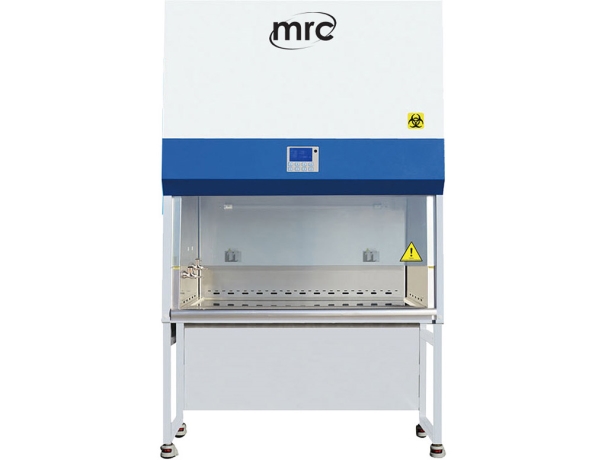
Class II biological safety cabinets are the most widely used type in many laboratories.
They are designed to provide:
- Personnel protection
- Product protection
- Environmental protection
They do this through a combination of inward airflow, HEPA-filtered downflow and HEPA-filtered exhaust.
A procedure for safe use of Type II BSCs describes the cabinet as protecting the employee, environment and material when used properly, with sterile downflow inside the cabinet and extraction at the front and rear of the workbench.
Common Uses of Class II Cabinets
Class II cabinets are commonly used for:
- Cell culture
- Tissue culture
- Microbiology
- Diagnostic sample preparation
- Biomedical research
- Pharmaceutical research
- Work requiring product protection
- Work involving biological aerosols
Class II A1, A2, B1 and B2
Class II cabinets are available in different types, such as A1, A2, B1 and B2.
The differences relate mainly to airflow patterns, recirculated air and exhaust configuration.
A Class II A2 cabinet is commonly used for many routine biological applications, but it is not suitable for every process.
If volatile chemicals, radionuclides or unusual hazards are involved, the cabinet type and exhaust arrangement must be evaluated carefully.
Class III Biological Safety Cabinets
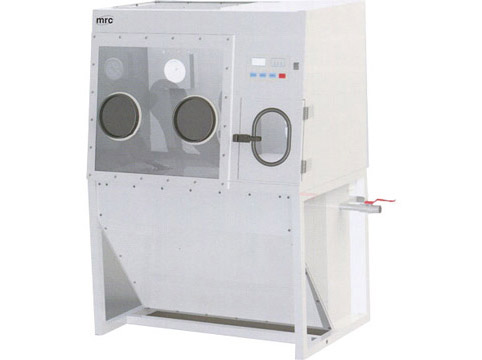
A Class III biological safety cabinet is a fully enclosed, gas-tight cabinet.
Users work through attached gloves, and materials are transferred through controlled entry and exit systems.
Class III cabinets provide the highest level of containment among BSC classes and are used for very high-risk biological work.
They may be required for certain work involving dangerous agents where maximum containment is needed.
Biosafety guidance describes Class III cabinets as required for certain high-risk BSL-4 work involving dangerous exotic agents with serious aerosol-transmission risk.
Typical Features of Class III Cabinets
- Fully enclosed work area
- Glove access
- HEPA-filtered supply and exhaust
- Controlled transfer systems
- High containment design
- Specialist installation and testing requirements
Class I vs Class II vs Class III Biological Safety Cabinets
| Cabinet Class | Personnel Protection | Product Protection | Environmental Protection | Typical Use |
|---|
| Class I | Yes | No | Yes | Biological work where product protection is not required |
| Class II | Yes | Yes | Yes | Cell culture, microbiology, routine biological work |
| Class III | Yes, highest containment | Yes | Yes | High-risk biological agents and maximum containment work |
This table is a simplified guide. The final choice must be based on risk assessment, biological agent, procedure and laboratory requirements.
Biological Safety Cabinet vs Fume Hood
A biological safety cabinet is not the same as a chemical fume hood.
Biological Safety Cabinet
A BSC is mainly used for biological aerosols and particles.
It uses HEPA filtration and controlled airflow to reduce biological contamination risk.
Chemical Fume Hood
A fume hood is mainly used for chemical vapours, fumes and gases.
It draws air away from the user and exhausts it through an appropriate system.
Why This Difference Matters
HEPA filters do not remove chemical vapours.
If work involves volatile chemicals, solvents, toxic vapours or strong fumes, a BSC may be unsuitable unless its type, exhaust system and application have been specifically assessed.
This is one of the most common and dangerous misunderstandings in laboratory containment.
How to Choose a Biological Safety Cabinet
Choosing a BSC begins with the work process, not with the cabinet size.
1. Identify the Biological Material
Define:
- Organism or sample type
- Biosafety level
- Infectious risk
- Aerosol-generation risk
- Sample volume
- Procedure type
- Waste handling method
2. Define the Protection Required
Ask:
- Does the user need protection?
- Does the sample need protection?
- Does the environment need protection?
- Is sterility or aseptic work required?
- Are aerosols likely to be generated?
If product protection is required, a Class I cabinet is normally not enough.
3. Review Chemical Use
Identify whether the procedure involves:
- Volatile solvents
- Toxic chemicals
- Corrosive vapours
- Radioisotopes
- Disinfectants that release fumes
- Powders
- Nanomaterials
If chemicals are used, confirm whether the cabinet type and exhaust design are appropriate.
4. Choose the Correct Cabinet Class
Use the risk assessment and protection requirement to narrow the choice:
- Class I for personnel and environmental protection only
- Class II for personnel, product and environmental protection
- Class III for maximum containment and specialist high-risk work
5. Select the Correct Working Width
The cabinet must provide enough space for the procedure without overcrowding.
Consider:
- Number of users
- Equipment inside the cabinet
- Sample containers
- Waste containers
- Pipette boxes
- Tube racks
- Movement required during work
- Need to keep front and rear grilles clear
A wider cabinet is not automatically better if laboratory space, airflow and installation conditions are unsuitable.
6. Check Ergonomics
Good ergonomics reduce fatigue and support safer technique.
Consider:
- Viewing angle
- Working height
- Sash design
- Arm position
- Lighting
- Noise
- Internal space
- Accessibility of controls
- Comfortable reach distance
7. Review Cleaning and Decontamination
Cleaning and decontamination requirements should be reviewed before purchase.
Ask:
- Are internal surfaces easy to clean?
- Can shelves and supports be removed?
- Are corners accessible?
- Which disinfectants are compatible?
- Is UV included, and what are its limitations?
- Does the cabinet support formal decontamination before service?
- How is waste removed?
UV light should not replace manual cleaning and chemical disinfection.
8. Confirm Installation Requirements
Before ordering, check:
- Room dimensions
- Doorway access
- Bench or stand requirement
- Electrical supply
- Exhaust requirement
- Clearance around cabinet
- Distance from doors and vents
- Service access
- Noise limits
- Heat output
- Alarm visibility
A cabinet installed in the wrong location may not perform as expected.
9. Plan Certification and Maintenance
The cabinet should be certified after installation and maintained according to procedures.
Include:
- Commissioning
- Airflow testing
- HEPA filter testing
- Alarm checks
- Routine certification
- Filter replacement plan
- Decontamination before service
- Repair support
- User training
Where Should a BSC Be Installed?
A BSC should be positioned where external airflow disturbance is minimised.
Avoid locations near:
- Doors
- Open windows
- Air supply diffusers
- Extract grilles
- Portable fans
- Busy walkways
- Centrifuges
- Vacuum pumps
- Chemical fume hoods
- Other equipment that creates air movement
The airflow at the cabinet opening is fragile. People walking near the face of the cabinet can disturb the protective air curtain.
Good installation is therefore part of biological safety.
Certification and Testing
A BSC should not be used as a protective device unless its performance has been verified.
Testing may include:
- Inflow velocity
- Downflow velocity
- Airflow visualisation
- HEPA filter integrity
- Alarm function
- Leakage checks
- Cabinet condition
- Exhaust performance
- Electrical safety where applicable
Certification is usually required:
- After installation
- After relocation
- After HEPA filter replacement
- After major repair
- After significant service work
- At defined routine intervals
- When performance is questioned
Common Mistakes When Choosing a BSC
Common selection mistakes include:
- Choosing Class I when product protection is required
- Choosing only by cabinet width
- Ignoring chemical use
- Treating a BSC as a fume hood
- Forgetting installation airflow conditions
- Placing the cabinet near doors or supply vents
- Ignoring certification costs
- Not planning filter replacement
- Overcrowding the working area
- Assuming UV replaces cleaning
- Failing to train users
- Buying a cabinet without checking service support
Common Mistakes When Using a BSC
Common user mistakes include:
- Blocking front or rear grilles
- Moving hands too quickly
- Using open flames
- Storing unnecessary items inside
- Working before airflow stabilises
- Ignoring alarms
- Using expired certification
- Placing waste in a way that disrupts airflow
- Relying only on UV light
- Using volatile chemicals without assessing exhaust requirements
For detailed daily work practices, the separate article Tips for Biological Safety Cabinets should be used as the practical working guide.
What is a biological safety cabinet?
A biological safety cabinet is a ventilated laboratory enclosure that uses controlled airflow and HEPA filtration to reduce exposure to biological aerosols during suitable laboratory procedures.
What does a biological safety cabinet protect?
Depending on the class, a biological safety cabinet may protect the user, the sample and the environment. Class I protects the user and environment, while Class II usually protects the user, sample and environment.
What is the difference between Class I, Class II and Class III BSCs?
Class I cabinets protect personnel and the environment but not the product. Class II cabinets protect personnel, product and the environment. Class III cabinets are fully enclosed glovebox systems for high-containment work.
Is a biological safety cabinet the same as a fume hood?
No. A biological safety cabinet is designed mainly for biological aerosols and particles. A fume hood is designed mainly for chemical vapours, fumes and gases.
Can chemicals be used in a biological safety cabinet?
Only limited chemical use may be appropriate, depending on the cabinet type, exhaust arrangement and risk assessment. A standard BSC should not be treated as a chemical fume hood.
When should a biological safety cabinet be certified?
A biological safety cabinet should be certified after installation, relocation, major repair or filter replacement, and at defined routine intervals according to laboratory procedures and applicable requirements.