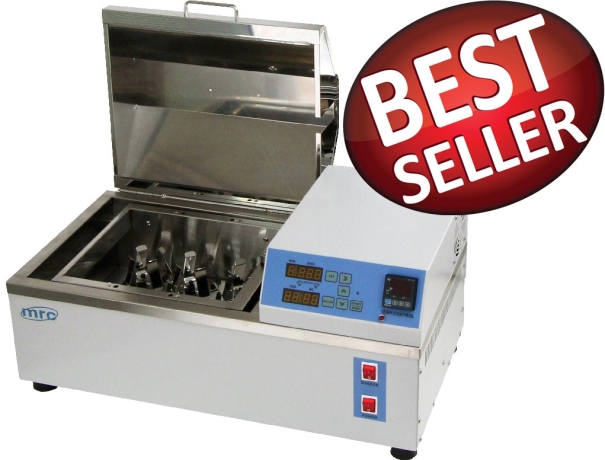
A laboratory water bath is an essential piece of equipment designed for incubating samples, heating flammable chemicals safely, and maintaining precise temperature control. Unlike open flames or hot plates, this reliable heating method ensures uniform thermal transfer without the risk of localized overheating. Whether you operate a clinical, academic, or industrial facility, understanding the different configurations—such as circulating, shaking, or refrigerated models—is vital for optimizing your workflows and achieving consistent experimental results.
What Is A Water Bath?
A water bath is a heated water container. They are used to incubate samples and keep them warm. Water baths are a common feature in laboratories and can be used to heat a variety of devices. The temperature of the bath is kept constant by the circulation of the water. Heated water chambers and control interfaces are included.
Why Do We Use Water Baths?
They are often used in laboratories to heat flammable compounds that may ignite if exposed to an open flame, as well as to maintain cell lines. To maintain the temperature constant, a circulating water bath keeps the sample in motion while heating. Samples needing heating above 100°C will need to be heated in an oil, sand, or silicone bath.
How to Choose the Right Laboratory Water Bath
Selecting the optimal system depends entirely on your specific applications. Key factors to evaluate before acquiring a new unit include:
Temperature Range: Standard models typically operate from ambient to 100°C. If your protocols require sub-ambient conditions, a refrigerated circulator is necessary.
Capacity: Determine the volume of your largest flasks or the maximum number of test tubes processed simultaneously. Reservoir sizes generally range from compact 4.5L units to high-capacity 30L tanks.
Agitation Requirements: For procedures requiring continuous mixing, such as cell culturing or hybridization, a shaking water bath provides simultaneous heating and controlled mechanical reciprocation.
Circulation: A built-in circulating mechanism guarantees excellent temperature uniformity throughout the entire chamber, preventing cold spots that could compromise sensitive biological samples.
Best Practices for Operation and Maintenance
Maximizing the lifespan of your lab equipment requires consistent care and correct daily operation. Always fill the reservoir with distilled or deionized water to prevent scale buildup and mineral deposits on the heating element. Before activating the digital PID controller, verify that the fluid covers the internal mechanisms completely to avoid dry-boiling.
Routine maintenance is equally important. Turn off the primary power source and regularly empty the chamber. Wipe down the internal polycarbonate or stainless steel surfaces using a soft cloth and mild detergent, then dry thoroughly. Ensure the electrical components and external seals remain completely free of moisture.
Types of a Laboratory Water Bath
-Refrigerated Circulators
-Circulators Heaters
-Polycarbonate
-Shakers
-Digital/Analog
Upgrade Your Laboratory Infrastructure
Finding the ideal thermal control solution ensures accuracy and operational efficiency in your critical processes. Explore our comprehensive selection of standard, refrigerated, and shaking water baths to discover the perfect fit for your facility.
Simply add your required models to your quote basket, and our technical sales team will contact you promptly to discuss specifications, exact sizing, and customized pricing.
Best Laboratory Water Bath
1.
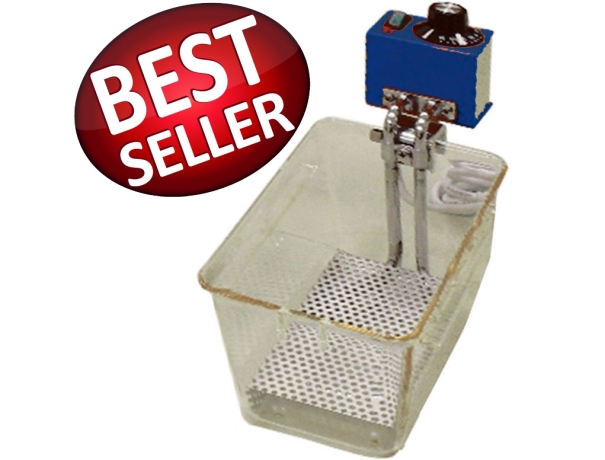
POLYCARBONATE WATER BATH
Water Bath with Thermostatic heating assembly A transparent polycarbonate reservoir,Makes you keep samples in clear view
volume (L):4.5-30
2.
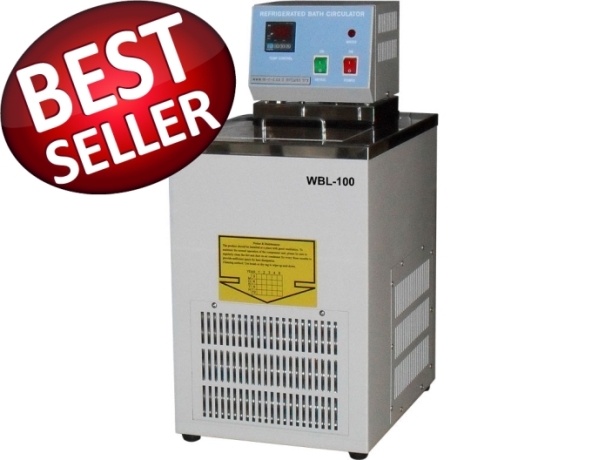
REFRIGERATED CIRCULATORS
-Temperature range:-30 to +100 deg C
- Cooling capacity 660watt at 20 deg c or Cooling capacity1000watt 4300 BTU.
-Circulation pump 18L/min or 9L/min
3.
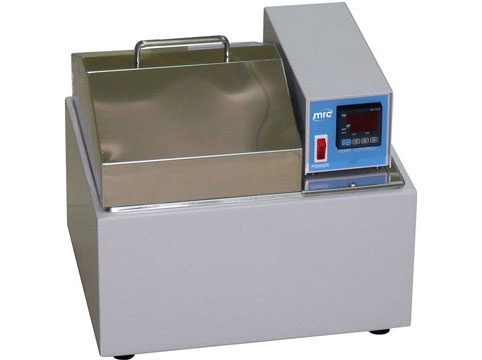
LABORATORY DIGITAL BATHS
TEMPERATURE RANGE (ºC):
Ambient +5°C~100°C.
type: heater circulator.
volume(L): 10-20
4.
LAB WATER BATH WITH SHAKERS
●Reciprocation shaking circulation
●Temperature range: up to 100 deg C
●Digital PID Controller ±0.1°C
●Shaking speed:20 to 200rpm