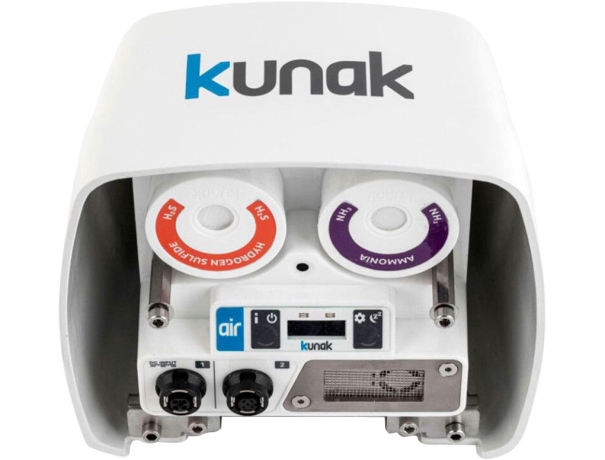
Industrial measuring instruments are devices used to monitor, record, and control physical quantities like temperature, pressure, flow, and humidity. From digital thermometers to complex data acquisition systems, these tools are the backbone of every industrial process.
Why Precision Matters in Industry
A slight deviation in measurement can lead to product defects, safety hazards, or costly downtime. Hence, accurate readings are critical not only for quality control but also for maintaining operational efficiency.
Key Industries Relying on Measuring Instruments
Manufacturing
From automotive plants to food processing units, manufacturers depend on instruments for consistent production quality. For instance, precision balances and tensile testing machines help maintain product integrity.
Energy and Utilities
Power stations, gas facilities, and water treatment plants use advanced monitoring tools to manage temperature, flow, and pressure in real time.
Environmental Monitoring
Meteorological and environmental applications use instruments like anemometers, barometers, and air quality sensors to monitor weather patterns and pollution levels.
Research and Development
Laboratories across the UK use precision instruments from companies such as MUNRO Scientific to ensure reliable experimental results under ISO-certified standards.
The Role of Accuracy in Industrial Processes
Accuracy ensures product consistency, safety, and compliance. In industries such as pharmaceuticals, even a minor measurement error can compromise product safety and efficacy. Reliable instruments eliminate guesswork and promote trust in data-driven decisions.
Types of Industrial Measuring Instruments
Temperature and Pressure Instruments
Thermocouples, pressure gauges, and transmitters are fundamental for monitoring industrial operations, ensuring equipment operates within safe limits.
Flow Meters and Level Gauges
Used in pipelines and tanks, they measure fluid dynamics and storage capacity accurately — crucial for oil, gas, and water industries.
Weighing and Balance Systems
Precision balances and load cells are essential in both manufacturing and laboratory settings, guaranteeing consistency and compliance with ISO standards.
Environmental and Meteorological Sensors
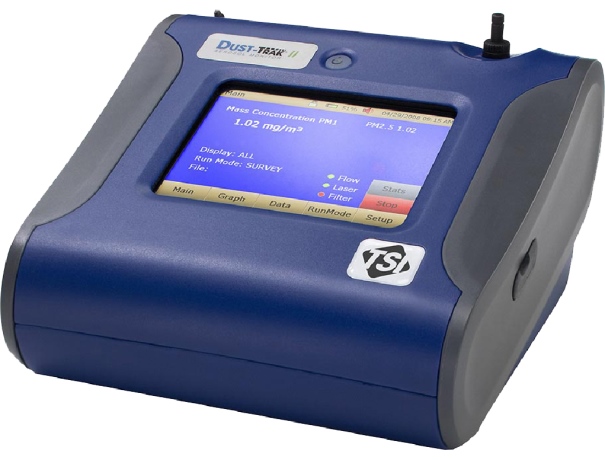
Companies like Munro Scientific provide specialized tools such as cup anemometers, rain gauges, and dust monitors that help industries and governments collect essential climate and pollution data.
Quality vs. Cost: Why Cheap Instruments Can Be Expensive
Low-cost, low-quality instruments might seem attractive initially, but inaccuracies can lead to production losses, regulatory fines, and damaged reputation. Investing in quality equipment is an investment in reliability and long-term performance.
The Importance of Calibration and Certification
ISO Standards in Measurement Accuracy
Quality assurance begins with ISO standards such as ISO 9001 and ISO 17025, which ensure that every instrument meets rigorous precision and safety benchmarks.
Regular Maintenance and Recalibration
Even the best instruments drift over time. Scheduled calibration maintains accuracy and ensures compliance with international standards.
Impact on Productivity and Safety
Accurate measurement leads to less waste, fewer errors, and improved workplace safety. In high-risk environments, reliable instruments can literally save lives by detecting faults before they escalate.
Technological Advancements in Measuring Instruments
The digital revolution has reshaped industrial measurement. Today’s instruments are smart, connected, and data-driven, integrating with IoT systems for real-time monitoring and predictive maintenance.
Environmental and Sustainability Applications
High-quality measuring instruments are vital for achieving sustainability goals — tracking emissions, reducing resource waste, and ensuring environmental compliance.
UK Regulations and Standards
The UK adheres to strict measurement laws under the British Standards Institution (BSI) and follows EU and ISO frameworks. Compliance ensures that all instruments used in industrial operations are safe, reliable, and traceable.
Choosing the Right Supplier
When selecting a supplier, factors such as accuracy, certification, service support, and calibration facilities should guide your decision. Long-term partnerships ensure technical reliability and ongoing support.