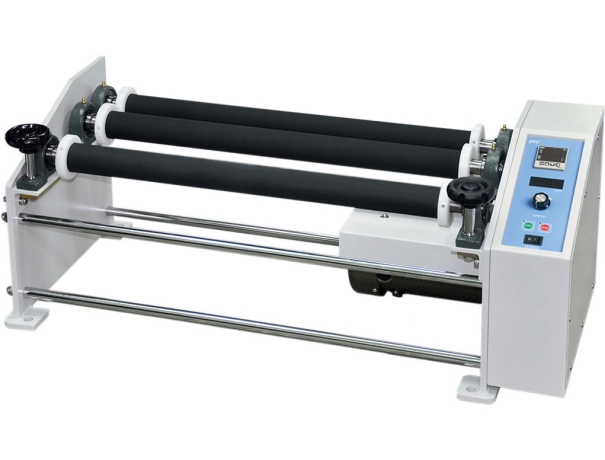
The laboratory roller mill has a wide range of applications in both research and industry. In material science, for example, it allows researchers to test the mechanical and physical properties of new materials. In the pharmaceutical industry, it's used for grinding ingredients to precise specifications, ensuring the right dosage and consistency. Similarly, industries like food processing, chemical engineering, and mining rely on roller mills for consistent material preparation.
Importance in Material Testing
A laboratory roller mill is indispensable in material testing because it provides controlled, repeatable results. Researchers can manipulate variables like grinding speed, pressure, and material load to simulate various industrial processes on a smaller scale. This precision allows for highly accurate data that can be scaled up for full-scale production.
How a Laboratory Roller Mill Works
The Basic Components
At its core, a laboratory roller mill consists of rollers that rotate to crush and grind materials placed between them. The basic setup includes two to four rollers that apply force to the material as it passes through the machine. These rollers are typically made of hardened steel or other durable materials to withstand continuous grinding.
The Grinding Mechanism
The grinding mechanism works by friction. As the rollers turn, they crush the material between them into finer particles. Some Laboratory mills offer adjustable grinding settings, allowing users to control the fineness of the material, which is key for achieving consistent results.
Types of Laboratory Roller Mills
Single-Roll vs. Multi-Roll Mills
Single-roll mills feature one rotating roller, while multi-roll mills include two or more rollers, providing greater flexibility and finer results. Multi-roll mills are generally preferred in research settings for their precision and ability to handle larger volumes.
Horizontal vs. Vertical Orientation
Laboratory roller mills come in both horizontal and vertical orientations. Horizontal mills are more commonly used in laboratories due to their compact design, but vertical mills offer unique advantages in terms of grinding efficiency and are often used for specific applications like heavy-duty materials.
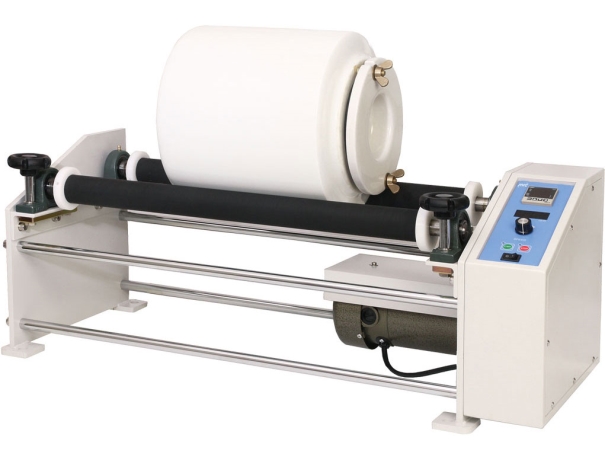
Key Features of Modern Laboratory Roller Mills
Precision in Material Handling
Modern laboratory roller mills are designed with high precision in mind. Advanced systems allow for tight control over material placement, pressure, and grinding speed, ensuring uniform particle size distribution.
Adjustable Grinding Settings
One of the most valuable features of modern mills is the ability to adjust grinding settings. Whether you're working with fine powders or coarse materials, these settings allow for customization to fit specific research needs.
Automation and Digital Controls
Automation has made laboratory roller mills much easier to operate. With the introduction of digital controls, researchers can set exact parameters for grinding, saving time and reducing errors.
Benefits of Using a Laboratory Roller Mill
Consistent and Uniform Results
The primary benefit of using a laboratory roller mill is consistency. It ensures that all materials are ground to the same size and texture, which is crucial for reliable testing and results.
Efficiency in Time and Resources
A laboratory roller mill reduces the amount of time and resources needed for material preparation. Instead of manually grinding materials, which can be time-consuming and prone to human error, the roller mill offers a quick, automated solution.
Factors to Consider When Choosing a Laboratory Roller Mill
Material Hardness
Not all mills can handle all materials. Harder materials may require stronger rollers and higher pressure settings. Be sure to match your material’s hardness with the mill’s capabilities.
Required Fineness
The fineness required for your project will also determine the type of mill you need. Some mills offer finer grinding options, while others are designed for coarser results.
Volume Capacity
Lastly, consider the volume of material you need to process. Larger research projects may require a mill with a greater capacity, while smaller projects can often use a more compact model.
Maintenance and Care of Laboratory Roller Mills
Cleaning Procedures
Proper cleaning is essential to ensure the longevity of your laboratory roller mill. After each use, the rollers and interior should be cleaned to prevent material buildup.
Common Maintenance Issues and How to Solve Them
Frequent issues include roller wear and motor problems. Regular maintenance checks and timely replacement of worn parts can prevent these problems from escalating.
Safety Considerations When Using a Laboratory Roller Mill
Protective Gear
Operators should always wear appropriate protective gear, including gloves and eye protection, when using a laboratory roller mill. This is particularly important when working with hazardous materials.
Safe Operating Procedures
It's important to follow all safety protocols when operating a laboratory roller mill. This includes ensuring that the mill is properly secured and that all safety guards are in place.