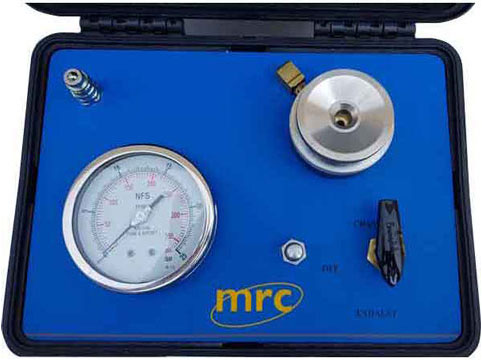
Water potential is a measure of the water status in plants. It is an important parameter for understanding plant–water relations and is used to evaluate plant water stress, predict crop yields, and optimize irrigation strategies. One of the most common techniques for measuring water potential in plants is the pressure chamber method.
The theory behind the use of a pressure chamber is based on the fact that water potential reflects the energy state of water. Water potential is determined by both pressure and the solute concentration of water within the plant. When water is inside plant tissue, it is under pressure due to the turgor pressure of the cells. This pressure is called osmotic pressure, and it is one component of water potential. The second component is the matric potential, which is influenced by the concentration of solutes in the water.
The Pressure Chamber Method
The pressure chamber method works by applying pressure to a leaf inside a chamber. The pressure chamber consists of a sealed chamber containing the leaf and a pump that applies pressure. Pressure is applied until water just begins to exude from the leaf, and the pressure at which this occurs is used to calculate the leaf water potential.
What Is the Pressure Chamber Used For?
The pressure chamber is an instrument used to measure the water potential of plants, including fruits. Water potential indicates the energy state of water in the plant and is a key parameter for understanding plant–water relations. By measuring the water potential of fruits, growers can optimize irrigation strategies and improve crop yield.
The Scholander Pressure Chamber
The Scholander pressure chamber is a specific type of pressure chamber that applies pressure to a leaf or stem until the plant tissue wilts or exudes water. The pressure at which this occurs is used to calculate the plant’s water potential. The Scholander chamber is widely used to measure the water potential of fruits such as apples, pears, peaches, and grapes.
The theory behind the Scholander chamber is also based on the fact that water potential represents the energy state of water in plants. Water potential is determined by both pressure and solute concentration in the plant’s water. When water is inside plant cells, it is pressurized due to turgor pressure. This osmotic pressure is one component of water potential, while the second component—the matric potential—is defined by solute concentration.
The Scholander pressure chamber is considered a reliable and widely used method for measuring fruit water potential. It is non-destructive and provides accurate measurements. It is broadly applied in both research and fieldwork to assess plant water stress, forecast yields, and refine irrigation strategies.
Applications for Fruit Trees
Grapes, apples, pears, peaches, and olives are all fruit trees that require a certain amount of water to maintain optimal growth and development. The water potential of these fruits can be measured at different stages of growth and development using the Scholander chamber. For example, it can be used to measure water potential in grapevines during vegetative growth, flowering, fruit set, and fruit development stages. Similarly, it can be used for apple, pear, peach, and olive trees at different growth phases.
Measuring the water potential of fruits with the Scholander chamber can help growers identify when irrigation is needed and how much water to apply. It can also be used to evaluate the effects of environmental conditions such as temperature and humidity on fruit tree water relations. This information can then be applied to optimize irrigation strategies and improve crop yield.
In addition, measuring the water potential of fruit trees can help identify and select cultivars with high water-use efficiency. Water-use efficiency refers to the amount of yield produced per unit of water consumed. Identifying cultivars with higher water-use efficiency can reduce water consumption in fruit production while improving crop yield.