Many laboratories purchase secondhand equipment before purchasing new. Frequently, they lack the funds to purchase new equipment in their early stages. For new businesses, it is feasible to acquire brand-new or even old equipment. Some equipment in a laboratory may be more costly than the annual salary of several scientists. The choice to acquire new laboratory equipment is therefore crucial for a biotech firm. Equipment may also need pricey repairs and maintenance if anything goes wrong. Therefore, it is difficult to choose the proper equipment and determine which model to purchase. This post will help companies in acquiring new equipment.
Sometimes It is not possible to determine how the previous owner kept their instruments, whether it was well cleaned, or if any fungal contaminations were left behind.
What is worth a second or a new hand?
The choice to purchase new or secondhand equipment is usually In research laboratories. It is mandatory to have new equipment when businesses work in a restricted location or manufacture a product for controlled animal testing. After being dispatched from the manufacturer, it is essential that new equipment arrives in excellent functioning condition. Due to the unknown past of secondhand equipment, there are many factors to consider while buying it. Installation certification may also be required for the item for quality assurance reasons.
Steps in selecting new lab equipment
After deciding to purchase new equipment, the next step is to choose the model and configuration. This may be basic if just one choice is provided or hard if numerous possibilities exist.
Step 1: You must recognize the demands of your laboratory. Whether you need an instrument with several accessory possibilities or one with few? Is speed the most crucial aspect?. For your new piece, you should create a list of the most significant considerations in ascending order.
Step 2: Look online and compare the various models. If possible, search for models with all the characteristics you want. If not, contact the manufacturer's field service representatives. They will help you understand the functions of each model in order to assist you in selecting the best option.
Step 3: Reputation is another crucial factor to consider. It is essential to choose Laboratory equipment providers with a solid reputation for providing technical support and superior customer service. Consider the manufacturer's reputation in terms of product quality. Some brands are known for requiring regular maintenance. Consider reputable choices.
Step 4: The next phase in your search is to examine pricing once you cut the list down to two or three top possibilities.
Kinds of laboratory equipment
Pipettes and Syringes
Precision in measurements is paramount in scientific endeavors. Pipettes and syringes aid in delivering accurate volumes of liquids, ensuring the reliability of experimental results.Petri Dishes and Test Tubes
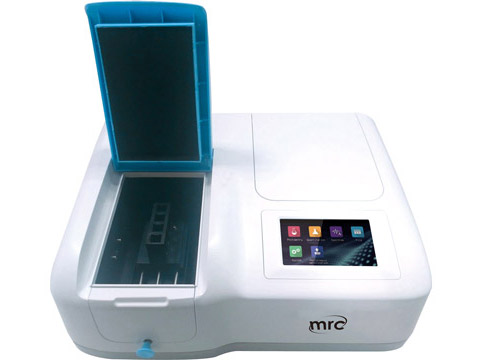
Petri dishes and test tubes provide controlled environments for the cultivation and observation of microorganisms and small-scale chemical reactions, allowing researchers to study biological and chemical processes.Spectrophotometers analyze the intensity of light absorbed by a substance, offering insights into its composition. Widely used in chemistry and biology, these instruments aid in quantitative analysis.
Incubators and Autoclaves
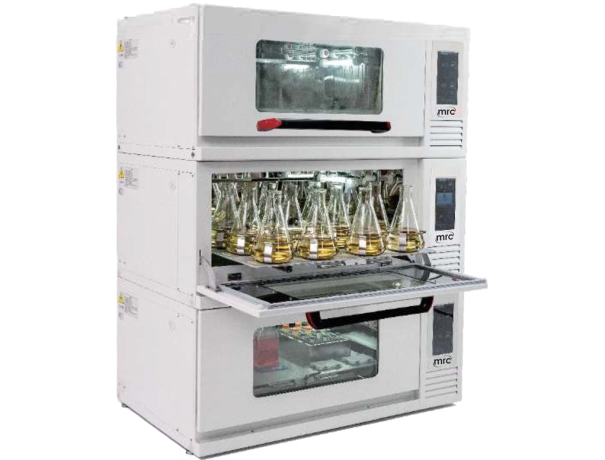
Microbiology relies on controlled environments for the cultivation of microorganisms. Incubators provide optimal temperature conditions, while autoclaves sterilize equipment, preventing contamination.
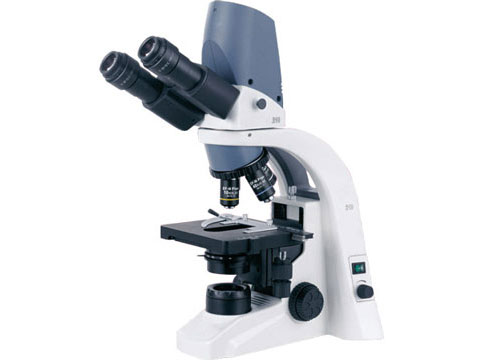
Microscopes enable the observation of microscopic entities, while centrifuges separate components based on their density. Together, these tools drive advancements in microbiological research.