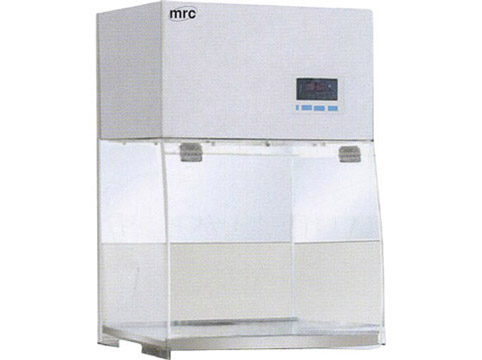
A biological safety cabinet, often called a biosafety cabinet or BSC, is designed to help control exposure to biological aerosols during suitable laboratory procedures.
Depending on the class and design, a BSC may help protect the operator, the surrounding environment and the work material. However, the cabinet can only provide effective protection when it is selected correctly, positioned correctly, certified and used with good working technique.
Many problems with biological safety cabinets are caused not by the cabinet itself, but by poor work practices, blocked airflow, unsuitable materials, incorrect cleaning or confusion between a BSC and a chemical fume hood.
This guide provides practical tips for using biological safety cabinets safely and effectively.
1. Understand What the Cabinet Is Designed to Protect
Before using a BSC, confirm what type of protection is required.
A biological safety cabinet may provide:
- Personnel protection
- Environmental protection
- Product or sample protection
The level of protection depends on the cabinet class, airflow design, installation and certification.
For example, Class II cabinets are commonly used when protection of personnel, environment and product is required, while Class I cabinets protect personnel and the environment but do not provide the same product protection. MUNRO Scientific lists Class I, Class II and Class III biological safety cabinet options for different laboratory requirements.
Do not assume that every cabinet provides the same type of protection.
2. Do Not Confuse a BSC with a Fume Hood
A biological safety cabinet and a chemical fume hood are not interchangeable.
A BSC is mainly intended for work involving biological materials and aerosols. A chemical fume hood is designed primarily to protect the user from hazardous chemical vapours and fumes.
This distinction is important because many BSCs recirculate a portion of filtered air back into the laboratory. For example, MUNRO’s Class II A2 model lists 70% air recirculation and 30% exhaust.
Therefore, volatile toxic chemicals or significant chemical fumes should not be used inside a BSC unless the cabinet type, exhaust arrangement and risk assessment specifically support that application.
3. Confirm the Cabinet Is Certified Before Use
A BSC should be tested and certified:
- After installation
- After relocation
- After major repair
- After filter replacement
- At defined routine intervals
- Whenever performance is in doubt
Certification helps confirm that airflow, filter integrity and containment performance meet the required criteria for the cabinet and its intended use.
In the UK and Europe, biological safety cabinet operation and testing are commonly associated with the EN 12469 framework for microbiological safety cabinets, and specialist training providers cover installation, commissioning, testing and validation of Class I, II and III cabinets.
Users should not rely on a cabinet that has not been commissioned or certified for the laboratory location.
4. Position the Cabinet Away from Air Disturbance
The location of the BSC can affect airflow performance.
Avoid placing the cabinet close to:
- Doors
- Open windows
- Busy walkways
- Supply air vents
- Extract grilles
- Fans
- High-traffic areas
- Equipment that generates strong air movement
Air currents near the front opening can disturb the inward airflow that helps protect the user. The current article already notes that BSCs should be positioned away from doors and high-traffic areas to avoid turbulent airflow.
Correct location should be considered before installation, not only after problems occur.
5. Allow the Cabinet to Stabilise Before Work
Before starting work, allow the cabinet to run according to the manufacturer’s instructions.
This helps establish stable airflow before materials are placed inside.
A typical pre-work routine may include:
- Turning on the cabinet
- Checking alarms and airflow indicators
- Confirming the sash is at the correct working height
- Allowing the cabinet to stabilise
- Disinfecting internal work surfaces
- Preparing only the materials required for the procedure
Never ignore airflow alarms or warning lights.
6. Disinfect Surfaces Before and After Use
Disinfect the work surface and relevant internal surfaces before and after work.
The current article correctly recommends disinfecting all surfaces before and after use and allowing sufficient contact time.
A good cleaning routine should include:
- Work surface
- Side walls
- Back wall where accessible
- Interior glass
- Frequently touched areas
- Items introduced into the cabinet
Use a disinfectant appropriate for the biological material and compatible with the cabinet surfaces.
After using corrosive disinfectants, it may be necessary to wipe surfaces with sterile water or another approved method to reduce residue and protect stainless steel surfaces. The existing article correctly notes the risk of corrosion inside the cabinet.
7. Bring Only Necessary Items into the Cabinet
Overloading a BSC can disrupt airflow and make clean work difficult.
Before beginning, remove unnecessary items and place only the required materials inside.
Avoid using the cabinet as storage space. The current article correctly states that materials should not be stored in the hood because this can disrupt airflow.
A minimal workspace helps:
- Maintain airflow
- Reduce turbulence
- Improve visibility
- Reduce cross-contamination
- Make spills easier to manage
- Improve cleaning at the end of the procedure
-
8. Keep Front and Rear Grilles Clear
The front and rear grilles are essential to cabinet airflow.
Do not block them with:
- Pipette boxes
- Waste containers
- Tube racks
- Paper towels
- Cables
- Sample boxes
- Instruments
- Sleeves or gloves
The existing article correctly warns that blocking intake grilles can disrupt airflow.
As a general rule, keep materials away from the front grille and work within the recommended safe working zone specified by the manufacturer.
9. Arrange the Work Area from Clean to Contaminated
Plan the workflow before starting.
A practical layout may include:
- Clean supplies on one side
- Active work area in the centre
- Waste and contaminated materials on the opposite side
The current article recommends separating clean items and waste and keeping the workspace organised.
Choose a consistent direction of work and avoid moving contaminated items back across clean materials.
This reduces the chance of cross-contamination.
10. Work Slowly and Avoid Turbulence
Fast hand movements can disrupt protective airflow.
During work:
- Move hands slowly
- Avoid sweeping motions
- Keep arms inside the cabinet as much as practical
- Avoid repeated unnecessary entry and exit
- Do not lean into the cabinet
- Avoid placing your face near the opening
- Keep the sash at the correct height
Good technique is essential because the cabinet’s performance depends on stable air patterns.
11. Use PPE Correctly
A BSC does not replace personal protective equipment.
The current article correctly notes that lab coats, gloves and eye protection may still be required.
Depending on the work, PPE may include:
- Laboratory coat or gown
- Gloves
- Safety glasses or goggles
- Face protection
- Respiratory protection where required by risk assessment
- Sleeve covers
Gloves should be changed when contaminated, damaged or after contact with non-sterile surfaces.
Where appropriate, gloves may be pulled over coat sleeves to reduce exposed skin.
12. Avoid Open Flames Inside the Cabinet
Open flames should generally be avoided inside a BSC.
The current article correctly warns that open flames can disrupt airflow.
They may also:
- Damage HEPA filters
- Create turbulence
- Affect containment
- Increase fire risk
- Damage cabinet surfaces
- Interfere with alarms or sensors
Use safer alternatives where possible, such as sterile disposable loops, electric micro-incinerators or approved sterile techniques.
13. Do Not Rely on UV Light as the Main Cleaning Method
UV light should not be treated as a substitute for manual cleaning and chemical disinfection.
The current article correctly states that UV has poor penetration capability and should not be relied on to disinfect the work surface by itself.
UV effectiveness is limited by:
- Shadows
- Dust
- Organic residue
- Distance from the lamp
- Lamp age
- Exposure time
- Surface angle
Use UV only according to the manufacturer’s instructions and local safety procedures. It should not be used while personnel are exposed to the light.
14. Manage Waste Inside the Cabinet
Waste handling should be planned before work begins.
Keep suitable waste containers inside the cabinet when required, but do not allow them to block airflow.
Waste procedures may include:
- Sharps container where appropriate
- Biohazard waste container
- Disinfectant container
- Pipette disposal system
- Clearly separated clean and waste areas
Do not remove contaminated waste from the cabinet until it has been sealed, disinfected or handled according to the laboratory procedure.
15. Respond Correctly to Spills
Spills should be handled calmly and according to the laboratory spill procedure.
The existing article recommends keeping spill response inside the cabinet and covering spills with disinfectant towel to reduce aerosolisation.
A general spill response may include:
- Keep the cabinet running.
- Avoid rapid movements.
- Cover the spill with absorbent material.
- Apply appropriate disinfectant from the outside toward the centre.
- Allow the required contact time.
- Remove contaminated materials safely.
- Clean and disinfect the affected surfaces.
- Dispose of waste according to procedure.
- Report the incident where required.
The exact procedure must match the biological agent, disinfectant and local biosafety rules.
16. Understand the Limits of HEPA Filtration
HEPA filters are designed to capture particles and aerosols, not gases or vapours.
BSC product pages on the MUNRO site list HEPA filters with 99.999% efficiency at 0.3 micron for specific Class II cabinets.
This does not mean the cabinet removes chemical vapours. HEPA filtration should not be confused with chemical adsorption or fume extraction.
If volatile chemicals are involved, the cabinet type and exhaust arrangement must be reviewed by a competent safety professional.
17. Maintain Good Posture and Ergonomics
Poor posture can lead to fatigue and unsafe technique.
Users should:
- Sit at the correct height
- Keep shoulders relaxed
- Avoid leaning into the cabinet
- Keep frequently used items within comfortable reach
- Avoid overcrowding the workspace
- Take breaks during long procedures
Operator posture is an established part of BSC training and good working practice. Training courses for biosafety professionals commonly include good BSC operator posture, monitoring and emergency procedures.
18. Keep Maintenance Records
A BSC should have records for:
- Installation
- Commissioning
- Certification
- Filter testing
- Repairs
- Relocation
- Decontamination
- Cleaning procedures
- User training
- Incident reports
These records help demonstrate that the cabinet has been maintained and used appropriately.
19. Train Users Before Independent Work
A biological safety cabinet should not be treated as a normal bench.
Users should understand:
- Cabinet class and protection type
- Correct sash height
- Airflow indicators and alarms
- Correct work zone
- Cleaning method
- Waste handling
- Spill response
- PPE requirements
- Limits of chemical use
- What to do if an alarm activates
Training is essential because correct technique directly affects cabinet protection.
20. Know When to Stop Work
Stop work and seek assistance if:
- An airflow alarm activates
- The sash is not at the correct height
- The cabinet is damaged
- The filter status is uncertain
- Certification has expired
- A major spill occurs
- The cabinet airflow appears abnormal
- The wrong material has been introduced
- The work requires chemical protection the cabinet cannot provide
Continuing work in an uncertain cabinet can increase risk to users, samples and the laboratory environment.
Common Mistakes When Using Biological Safety Cabinets
Common mistakes include:
- Treating a BSC as a chemical fume hood
- Blocking the front or rear grille
- Overloading the work area
- Using open flames inside the cabinet
- Moving hands too quickly
- Storing materials inside the cabinet
- Relying on UV light instead of manual disinfection
- Working before the cabinet airflow has stabilised
- Ignoring alarms
- Using uncertified equipment
- Placing the cabinet near doors or air vents
- Moving contaminated materials across clean areas
- Forgetting PPE because the work is inside a cabinet
Biological Safety Cabinets from MUNRO Scientific
MUNRO Scientific supplies biological safety cabinets for laboratory, research, healthcare and microbiology applications.
The available range includes Class I, Class II and Class III cabinets, with options such as HEPA filtration, stainless-steel work zones, UV lamps, fluorescent lighting, stands and different internal working sizes.
Contact MUNRO Scientific with details of the biological agents, procedure, protection requirements and installation environment to identify a suitable biological safety cabinet.
FAQ
What is the most important rule when using a biological safety cabinet?
The most important rule is to maintain correct airflow. Keep the front and rear grilles clear, avoid fast movements, do not overload the cabinet and work within the recommended safe working area.
Can a biological safety cabinet be used as a fume hood?
No. A biological safety cabinet should not be treated as a chemical fume hood. Many BSCs recirculate filtered air back into the laboratory and HEPA filters do not remove chemical vapours.
Should a biological safety cabinet be disinfected before use?
Yes. The work surface and relevant internal surfaces should be disinfected before and after use with an appropriate disinfectant and the required contact time.
Can UV light replace manual cleaning in a BSC?
No. UV light does not replace manual cleaning and chemical disinfection. It has limited penetration and may not disinfect shaded or dirty surfaces effectively.
Why should open flames be avoided in a biological safety cabinet?
Open flames can disrupt airflow, increase fire risk, damage HEPA filters and reduce the cabinet’s protective performance.
How often should a biological safety cabinet be certified?
Certification should be performed after installation, relocation, major repair or filter replacement, and at defined routine intervals according to local procedures and applicable requirements.