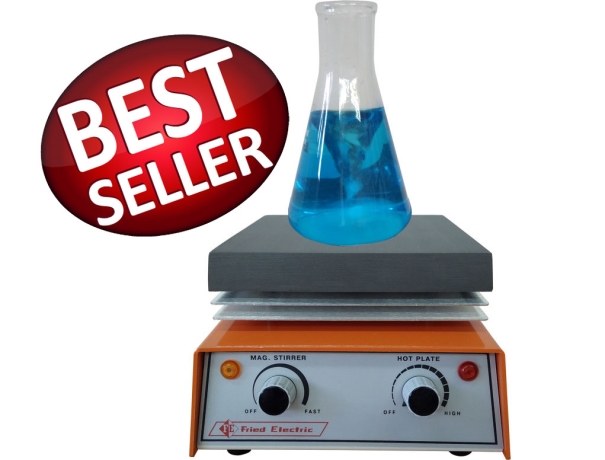
A magnetic stirrer with a hotplate is one of the most commonly used devices in chemistry and biology laboratories. It simplifies mixing solutions and heating them simultaneously, making it an essential tool for many experiments. Whether you're dealing with solvents, acids, or viscous liquids, this tool ensures consistent and uniform stirring while maintaining a controlled temperature.
Setting Up the Magnetic Stirrer with Hotplate
Start by placing the magnetic stirrer on a stable, flat surface. Ensure that the container is centered on the hotplate and that the magnetic stir bar is placed in the liquid. The stir bar should be aligned with the center of the magnetic field to ensure smooth rotation.
Safety Precautions When Using a Magnetic Stirrer with Hotplate
Working with high temperatures and chemicals requires caution. Always use protective gear such as gloves and goggles. Be cautious when heating volatile liquids, as overheating can lead to spills, splashes, or even chemical reactions.
Optimal Stirring Techniques
Position the magnetic stir bar in the center of the container and start at a low speed, gradually increasing to the desired stir rate. If the speed is too high, the stir bar may jump out of place or lose contact with the magnetic field.
Controlling Temperature and Stirring Speed
Many digital stirrers come with temperature feedback options, where the device can automatically adjust the hotplate to maintain the desired temperature. Use a thermometer or temperature sensor to monitor the heat level and adjust as necessary.
For stirring, adjust the speed setting depending on the solution’s viscosity—lower speeds for thicker liquids, and higher speeds for thinner ones.
Handling Different Types of Liquids and Solutions
Viscous liquids: Increase the stirring speed gradually to avoid splashing.
Solvents and volatile liquids: Be mindful of evaporation and potential reactions when heating.
Acids and bases: Stir at a lower speed and monitor the temperature closely to avoid overheating.
Avoiding Common Mistakes
Overheating the hotplate can cause burns or damage the solution. Always set a maximum temperature and avoid leaving the equipment unattended.
If the stir bar starts bouncing or losing its magnetic connection, reduce the stir speed or adjust the position of the container.
Cleaning and Maintenance Tips
After each use, clean the hotplate and stir bar thoroughly. Use appropriate cleaning solutions based on the chemicals used in the experiment. Regular maintenance checks are crucial to ensure the longevity of the equipment.
How Does a Magnetic Stirrer with Hotplate Work?
Magnetic stirrers use a rotating magnetic field to stir liquids. A magnetic bar, also known as a stir bar, is placed in the container holding the liquid. The magnetic field causes the stir bar to rotate, mixing the contents evenly.
When you add a hotplate to the setup, you can not only stir but also heat the solution, making it useful for experiments requiring specific temperature control. The combination of these two functions is what makes this tool so effective.