Measuring instruments are devices or tools used to quantify or determine the magnitude, amount, or level of a physical quantity or variable. They are commonly used in various fields, such as science, engineering, medicine, and industry, to make accurate and precise measurements.
Measuring instruments come in various shapes and sizes, and they can measure a wide range of physical quantities, such as temperature, weight, pressure, distance, time, frequency, and many others. Some common examples of measuring instruments include thermometers, scales, rulers, tape measures, clocks, timers, voltmeters, ammeters, oscilloscopes, and many more.
Measuring instruments can be analog or digital, depending on the type of display they have. Analog instruments use mechanical or electrical means to display the measurement, while digital instruments use electronic displays to show the measurement.
In addition to their type of display, measuring instruments can also be classified according to their level of precision or accuracy. Some instruments are designed to provide very accurate and precise measurements, while others are less accurate and more suited for rough or approximate measurements.
Types of Measuring Instruments for researchers and laboratories
There are many types of measuring instruments that are commonly used in research and laboratory settings. Some of the most common types of measuring instruments include:
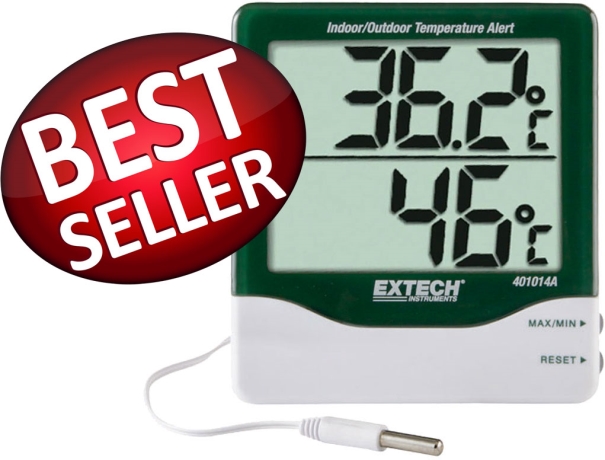
- Thermometers: These instruments are used to measure temperature and are commonly used in laboratory settings to measure the temperature of liquids and gases.
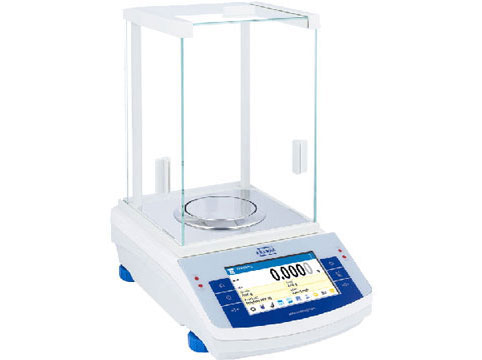
- Balances and scales: These instruments are used to measure mass or weight and are commonly used in chemistry and biology laboratories to measure the weight of samples and reagents.
- pH meters: These instruments are used to measure the acidity or alkalinity of a solution and are commonly used in chemistry and biology laboratories to measure the pH of various solutions.
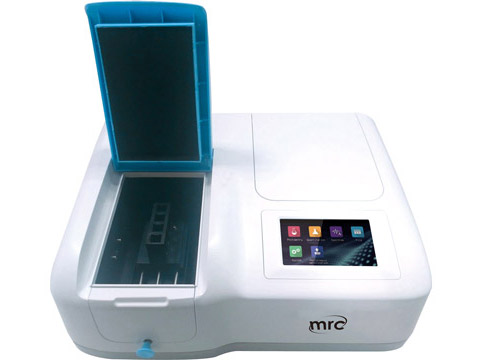
- Spectrophotometers: These instruments are used to measure the amount of light absorbed or transmitted by a substance and are commonly used in chemistry and biology laboratories to measure the concentration of various substances.
- Calipers: These instruments are used to measure the distance between two points and are commonly used in engineering and physics laboratories to measure the dimensions of various objects.
- Oscilloscopes: These instruments are used to measure electrical signals and are commonly used in electronics and physics laboratories to analyze and measure electrical signals.
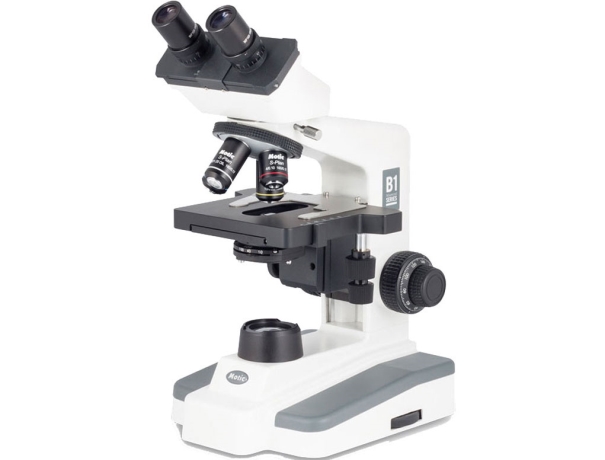
- Microscopes: These instruments are used to magnify and visualize small objects and are commonly used in biology and medical laboratories to examine cells and tissues.
- Gas chromatographs: These instruments are used to separate and analyze the components of a gas mixture and are commonly used in chemistry and biology laboratories to analyze the composition of various substances.