Ultrasonic cleaners have revolutionized the way we clean various items, providing efficient and effective results. With their ability to remove dirt, grime, and contaminants from a wide range of materials, ultrasonic cleaners have become an indispensable tool in many industries. In this article, we will explore the uses and benefits of ultrasonic cleaners, how they work, and provide helpful tips for selecting and using them effectively.
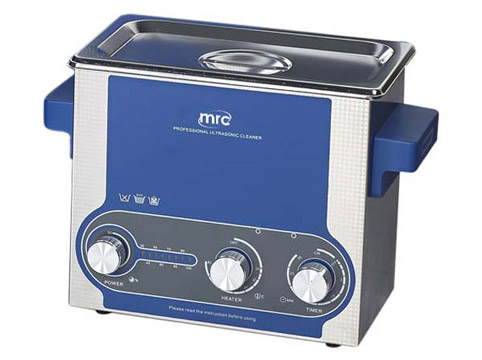
An ultrasonic cleaner is a device that utilizes high-frequency sound waves to generate tiny bubbles in a cleaning solution. These bubbles, known as cavitation bubbles, implode upon contact with the surface of an item, creating intense pressure that helps dislodge and remove contaminants. The process is gentle yet thorough, making ultrasonic cleaners suitable for delicate items.
How Does an Ultrasonic Cleaner Work?
Ultrasonic cleaners consist of a tank filled with a cleaning solution and an ultrasonic transducer that generates high-frequency sound waves. When the transducer emits sound waves, they create compression and rarefaction cycles in the cleaning solution, leading to the formation and collapse of cavitation bubbles. The implosion of these bubbles creates microscopic shockwaves that dislodge dirt and contaminants from the surface of items.
Advantages of Using an Ultrasonic Cleaner
Efficient Cleaning Process
One of the significant advantages of using an ultrasonic cleaner is its efficiency. The cavitation bubbles produced by the high-frequency sound waves reach all surfaces of an item, including crevices and hard-to-reach areas. This thorough cleaning process ensures that even the smallest particles are removed, resulting in a pristine finish.
Gentle on Delicate Items
Ultrasonic Baths are gentle on delicate items, such as jewelry and precision instruments. The cleaning process is non-abrasive, minimizing the risk of damage. Unlike traditional cleaning methods that may involve scrubbing or using harsh chemicals, ultrasonic cleaning provides a safe and effective solution for maintaining the integrity of delicate items.
Versatile Applications
They have a wide range of applications across various industries. From jewelry stores and dental clinics to electronics manufacturing and automotive workshops, these cleaners are used to clean an array of items. The versatility of ultrasonic cleaners makes them a valuable asset in many
Uses of Ultrasonic Cleaners
Jewelry Cleaning
They are highly effective in removing dirt, oils, and tarnish from jewelry items. Whether it's gold, silver, diamonds, or gemstones, the gentle yet powerful cleaning action of ultrasonic waves restores the shine and brilliance of precious pieces.
Dental and Medical Instruments
In the dental and medical fields, maintaining proper hygiene is crucial. Ultrasonic cleaners are utilized to clean and sterilize various instruments, such as dental tools, surgical instruments, and implants. The thorough cleaning process ensures the removal of bacteria and contaminants, promoting a sterile environment.
Electronics and Circuit Boards
Electronics, including circuit boards and delicate electronic components, can accumulate dust, debris, and flux residue during manufacturing or regular usage. They provide a safe and efficient method for removing these contaminants without causing damage to sensitive electronic parts.
Automotive Parts
Automotive workshops often rely on ultrasonic cleaners to clean automotive parts, such as carburetors, fuel injectors, and engine components. The powerful cleaning action reaches into intricate areas, removing grease, oil, and grime, resulting in improved performance and longevity of the parts.
Optics and Eyewear
Lenses, eyeglasses, and optical components require careful cleaning to maintain their clarity and functionality. Ultrasonic cleaners offer a quick and effective solution for removing fingerprints, smudges, and other residues from optical surfaces, ensuring optimal vision and performance.
Firearms and Gun Cleaning
Gun enthusiasts and professionals understand the importance of maintaining firearms in pristine condition. They provide a thorough cleaning method for removing carbon buildup, powder residue, and debris from gun parts, ensuring proper functionality and longevity.
Laboratory Equipment
In laboratories, cleanliness is vital for accurate results and experiments. Used to clean laboratory glassware, beakers, test tubes, and pipettes. The precise cleaning action eliminates contaminants that can interfere with scientific analyses.
Musical Instruments
Musical instruments, such as brass and woodwind instruments, can accumulate dirt, oils, and bacteria over time. Ultrasonic cleaners offer an efficient and gentle method for cleaning intricate parts, keys, and valves, ensuring optimal sound quality and prolonging the instrument's lifespan.
Coins and Collectibles
Collectors often encounter the challenge of cleaning coins, stamps, and other delicate collectible items without causing damage. They provide a safe and effective solution, removing dirt and oxidation from these items without compromising their integrity or value.
How to Choose the Right Ultrasonic Cleaner
When selecting, several factors should be considered to ensure optimal performance and usability.
Frequency and Power
Ultrasonic cleaners operate at different frequencies, typically ranging from 20 kHz to 40 kHz. Lower frequencies offer more powerful cleaning action for robust items, while higher frequencies are suitable for delicate and smaller items. The power output of the ultrasonic cleaner should also be considered, as it affects the cleaning efficiency.
Tank Size and Capacity
The size and capacity of the tank determine the items that can be cleaned in a single cycle. Larger tanks accommodate bigger items or allow cleaning multiple items simultaneously. Consider the size of the items you intend to clean and choose a tank size accordingly.
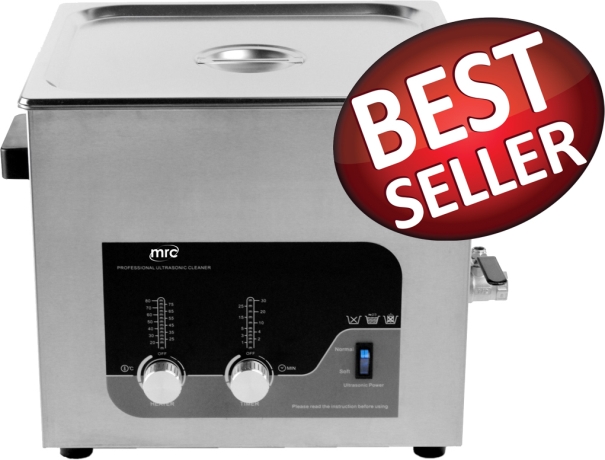
Timer and Controls
Having adjustable timers and controls is essential for precise cleaning cycles. Different items may require varying cleaning durations. Look for an ultrasonic cleaner that provides flexible timer settings and intuitive controls for easy operation.
Additional Features
Some of them offer additional features, such as heating elements, degassing functions, and adjustable power settings. These features can enhance the cleaning process and provide more control over the cleaning parameters. Assess your specific needs and consider the available features accordingly.
Tips for Using an Ultrasonic
To ensure optimal results and prolong the lifespan of your ultrasonic cleaner, consider the following tips:
Proper Cleaning Solution
Choose a cleaning solution that is specifically formulated for ultrasonic cleaning. Different items may require different types of solutions. Ensure that the cleaning solution is compatible with the materials you are cleaning and follow the manufacturer's instructions for dilution ratios.
Correct Placement of Items
Properly position the items in the ultrasonic cleaner to ensure maximum exposure to the cleaning action. Avoid overcrowding the tank, as this can hinder the cavitation process and reduce cleaning efficiency. Place items in a way that allows the cleaning solution to reach all surfaces.
Cleaning Time and Temperature
Follow the recommended cleaning time and temperature guidelines provided by the manufacturer. Overextending the cleaning time or using excessively high temperatures can potentially damage delicate items. Adhere to the specified parameters to achieve optimal cleaning results without compromising the integrity of the items.
Regular Maintenance and Care
Clean the tank regularly to prevent the buildup of sediment and contaminants. Empty and clean the tank after each use, removing any residue or debris. Additionally, inspect the transducer and other components for any signs of damage or wear. Regular maintenance will ensure the longevity and performance of your ultrasonic cleaner.
Safety Precautions When Using an Ultrasonic Cleaner
While ultrasonic cleaners are generally safe to use, it's important to observe certain precautions to ensure your safety and the protection of the items being cleaned.
Protective Gear
When handling cleaning solutions or potentially hazardous materials, such as chemicals or sharp objects, it's advisable to wear protective gear. This may include gloves, safety glasses, and an apron to prevent direct contact with the solutions and potential injuries.
Appropriate Cleaning Solutions
Always use cleaning solutions that are recommended for ultrasonic cleaning. Avoid using flammable or corrosive substances that can pose a safety risk. Read and follow the instructions provided with the cleaning solutions to ensure safe and effective use.
Electrical Safety
Ultrasonic cleaners operate using electricity, so it's essential to follow electrical safety guidelines. Ensure that the power cord and outlet are in good condition and properly grounded. Avoid using near water or in damp environments to prevent electrical hazards.
Handling Fragile Items
When cleaning delicate or fragile items, exercise caution to prevent damage. Consider using a gentle cleaning mode or reducing the cleaning time for fragile items. If in doubt, consult the manufacturer's recommendations or seek professional advice for cleaning sensitive objects.