Water bath circulators are devices used to precisely control the temperature of a liquid bath. They consist of a heating element, a temperature sensor, and a pump. These components work in harmony to maintain a consistent temperature, making them essential in various scientific and industrial settings.
How Water Bath Circulators Work
Water bath circulators work by heating and circulating a temperature-controlled liquid through a chamber, often referred to as a bath. The heating element maintains the desired temperature, while the pump circulates the liquid, ensuring even distribution and temperature uniformity.
Advantages of Using Water Bath Circulators
- Precision: Water bath circulators offer precise temperature control, crucial for experiments and processes that require accuracy.
- Stability: They maintain temperature stability, eliminating fluctuations that can affect results.
- Time Efficiency: Rapid heating and cooling capabilities save valuable time in research and production.
- Safety: Water bath circulators are designed with safety features to prevent overheating and accidents.
Applications in Scientific Research
Chemistry
In chemistry laboratories, They are used for various applications, including chemical reactions, sample preparation, and temperature-sensitive experiments.
Biology
Biological research often relies on water bath circulators for tasks like enzyme reactions, DNA amplification, and cell culture maintenance.
Pharmaceuticals
Pharmaceutical laboratories utilize water bath circulators for drug formulation, stability testing, and quality control procedures.
Industrial Applications
Beyond the laboratory, they find applications in industries such as food, aerospace, and electronics manufacturing, where precise temperature control is critical to product quality.
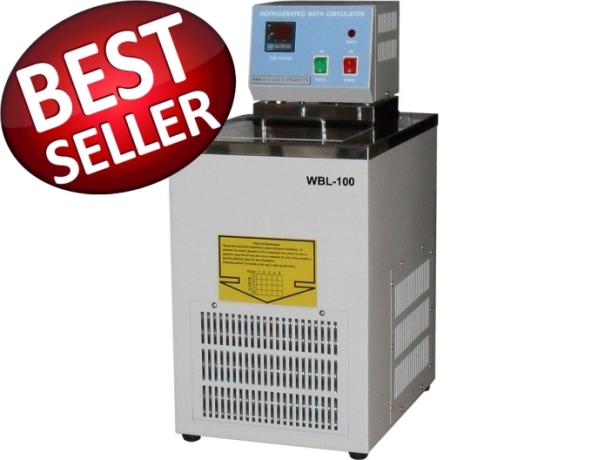
Choosing the Right Water Bath Circulator
Temperature Range
Select a circulator with a temperature range that aligns with your specific needs, ensuring it covers both high and low temperatures if required.
Precision and Stability
Consider the circulator's precision and stability, as these factors directly impact the reliability of your experiments or processes.
Capacity and Size
Choose a circulator with an appropriate capacity and size to accommodate your samples or materials.
Additional Features
Evaluate additional features such as digital controls, safety alarms, and data logging capabilities to enhance functionality.