Water is an essential resource for agriculture. In areas where rainfall is not sufficient, farmers must rely on irrigation to ensure the survival of their crops. However, it is not enough to just provide water to plants. The water must have the right quality, quantity, and timing to achieve the best possible yield. In this article, we will explore the concept of water potential and its relevance for farmers. We will cover topics such as the definition of water potential, how to measure it, and how to manage it effectively.
What is Water Potential?
Water potential is the measure of the energy or force that water molecules exert on their surroundings. It is the potential of water to move from one place to another due to differences in concentration, pressure, and gravity. Water moves from areas of high potential to areas of low potential, just like a ball rolls down a hill. The water potential of pure water at standard conditions is zero. However, when solutes are added to water, the water potential becomes negative.
Understanding the Components of Water Potential
Water potential is made up of two main components: pressure potential and solute potential. Pressure potential is the mechanical pressure that water exerts on its surroundings. It can be positive or negative depending on the conditions. Solute potential is the effect of solutes on the water potential. It is always negative, as solutes reduce the energy of water molecules and restrict their movement.
Measuring Water Potential
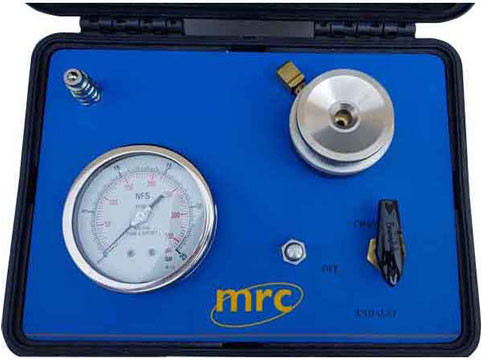
There are several methods to measure water potential, but the most common one is using a device called a pressure chamber or pressure bomb. The pressure chamber measures the pressure required to stop water movement in a leaf or stem. By using the pressure values and some calculations, the water potential of the plant tissue can be determined. Other methods include tensiometers, which measure the tension of water in the soil, and psychrometers, which measure the humidity of the air.
Managing Water Potential for Agriculture
Water potential is an important concept for farmers, as it affects the uptake of water by plants and the productivity of crops. To manage water potential effectively, farmers must consider several factors, such as soil type, irrigation system, crop type, and weather conditions. One common strategy is to maintain the soil water potential at a level that ensures the plants have access to water but does not cause waterlogging or water stress. This can be achieved by monitoring the soil moisture and adjusting the irrigation schedule accordingly.
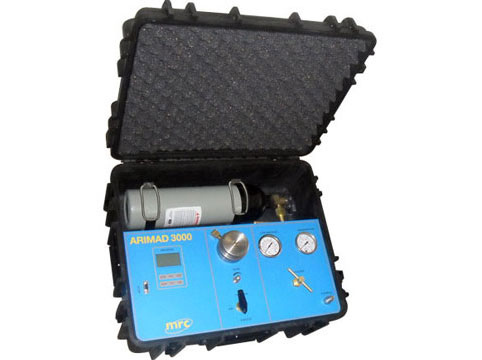
Buying Measuring water potential with a pressure chamber
If you're interested in buying a pressure chamber to measure water potential, there are a few things to consider. First, make sure to purchase a chamber that is appropriate for your application. Pressure chambers come in different sizes and pressure ranges, so choose one that fits your needs.
MUNRO provides a wide range of Measuring water potential with a pressure chamber