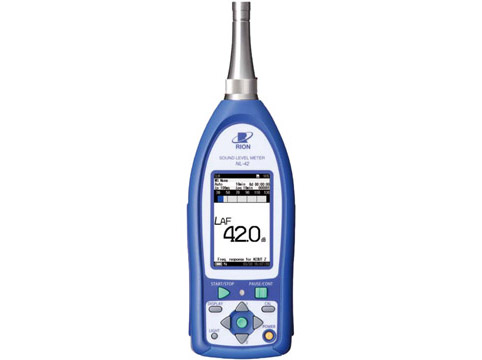
Decibel meters are essential tools for measuring sound levels in various environments. Whether you're in a noisy workplace or monitoring noise pollution, a decibel meter can help you assess the level of sound and take necessary measures to protect your hearing or reduce noise levels. However, operating a decibel meter requires a certain level of knowledge and expertise. In this article, we will provide general operating instructions for decibel meters to help you get started.
Understanding Decibel Meters
Before you start using a decibel meter, it's essential to understand the basics of how it works. Decibel meters measure sound levels in decibels (dB), which is a unit of sound intensity. The dB scale ranges from 0 dB, which is the threshold of hearing, to 140 dB, which is the threshold of pain.
Decibel meters use a microphone to pick up sound waves and convert them into electrical signals. These signals are then processed and displayed as a sound level reading on the decibel meter's screen. Some decibel meters can also record sound levels over time, allowing you to monitor sound levels over an extended period.
Preparation for Measurement
Before you start measuring sound levels, make sure you're in a suitable environment. Ideally, the environment should be free from any significant background noise, and the sound source should be stable and consistent. Here are some additional tips for preparation:
Turn off any noise sources that are not part of the sound being measured, such as fans, air conditioners, or radios.
Place the decibel meter on a stable surface or tripod to prevent any vibrations or movement that could affect the measurement.
Position the microphone of the decibel meter at ear level if measuring personal noise exposure or in accordance with the measurement standard.
Ensure the microphone is not obstructed by anything that could affect the measurement.
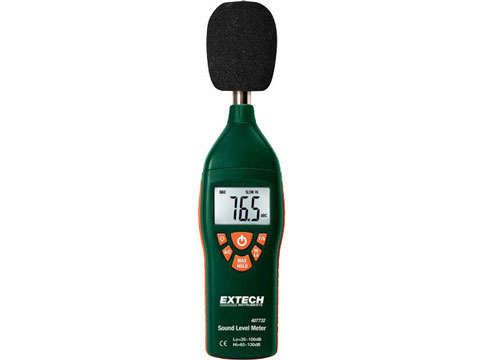
Measuring Sound Levels
Once you're in a suitable environment and have prepared your decibel meter, you're ready to start measuring sound levels. Here's how to do it:
Turn on the sound meter and select the appropriate measurement range.
Check the decibel meter's display to ensure it's reading 0 dB, indicating that it's calibrated correctly.
Hold the decibel meter at arm's length and position the microphone towards the sound source.
Allow the decibel meter to stabilize for a few seconds and take a reading.
Repeat the measurement several times to ensure accuracy and consistency.
Record the sound level reading and any additional data, such as the date, time, location, and sound source.
Calibrating the Decibel Meter
Calibrating your sound meter is critical to ensuring accurate sound level readings. Calibration involves comparing the decibel meter's reading to a reference sound source to determine its accuracy. Here are the general steps to calibrate your decibel meter:
Turn on the sound meter and select the appropriate measurement range.
Connect the sound meter to a reference sound source, such as a calibrator or a sound level meter.
Set the reference sound source to produce a known sound level, such as 94 dB or 114 dB.
Check the decibel meter's display to ensure it's reading the same sound level as the reference sound source.
Adjust the decibel meter