As technology advances, there is an increasing need for accuracy and precision in scientific research. Laboratory chillers play an essential role in maintaining temperature stability in various laboratory applications, including cooling of analytical instruments, lasers, and other equipment that generate heat during operation. This article explores laboratory chillers in detail, including their definition, types, applications, and benefits.
Definition of Laboratory Chillers
Laboratory chillers are devices that circulate fluid, typically water or a water-glycol mixture, to remove excess heat from laboratory equipment. Chillers provide temperature stability and prevent overheating of sensitive equipment in laboratory applications. They are essential components in analytical instrumentation, medical imaging, and laser applications.
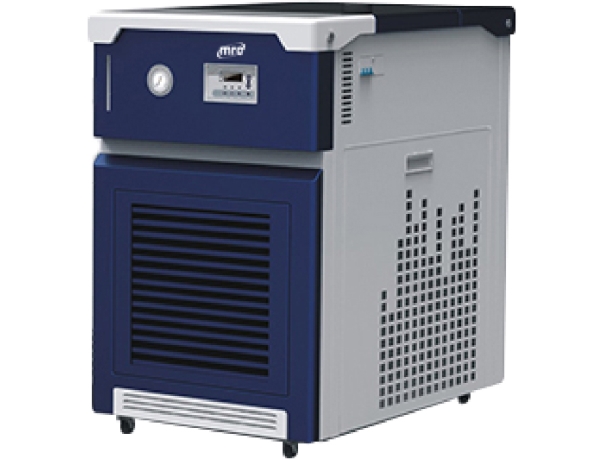
Types of Laboratory Chillers
There are three types of laboratory chillers: recirculating chillers, water-cooled chillers, and air-cooled chillers.
Recirculating chillers are compact, self-contained units that circulate coolant fluid through a closed-loop system. They are ideal for small- to medium-sized applications that require high precision temperature control. Recirculating chillers are easy to use, require little maintenance, and are available in various sizes and cooling capacities.
Water-cooled Chillers
Water-cooled chillers are larger, more powerful units that use water as a coolant. They are typically used in industrial applications that require high cooling capacities and continuous operation. Water-cooled chillers are more energy-efficient than air-cooled chillers, but they require additional plumbing and are more expensive to install.
Air-cooled Chillers
Air-cooled chillers use air as a coolant and are typically used in applications where water is scarce or unavailable. They are less energy-efficient than water-cooled chillers, but they are easier to install and require less maintenance.
How Do Laboratory Chillers Work?
Laboratory chillers work by circulating coolant fluid through a closed-loop system that includes the laboratory equipment to be cooled. The coolant fluid absorbs heat from the equipment and transfers it to the chiller unit, which then removes the heat from the fluid and dissipates it into the environment. The coolant fluid is then recirculated back to the equipment to continue the cooling process.
Applications of Laboratory Chillers
Laboratory chillers have a wide range of applications in various industries, including:
Medical and Pharmaceutical Industry
Used in medical and pharmaceutical applications to cool MRI machines, CT scanners, and other imaging equipment. They are also used to maintain temperature stability in refrigerators and freezers used for storing vaccines, blood, and other medical products.
Chemical and Petrochemical Industry
Used in chemical and petrochemical applications to cool reactors, distillation columns, and other equipment used in chemical processing. They are also used to maintain temperature stability in laboratory equipment used for testing and analysis.
Research and Academic Institutions
Used in research and academic institutions to cool analytical instruments, lasers, and other equipment used in scientific research.
Benefits of Laboratory Chillers
Laboratory chillers offer several benefits in laboratory applications, including:
Temperature Stability
They provide temperature stability and prevent overheating of sensitive equipment. This is particularly important in scientific research, where accuracy and precision are crucial.
Cost-effectiveness
Investing in a laboratory chiller can save money in the long run by preventing costly equipment damage due to overheating. Additionally, laboratory chillers are energy-efficient and can reduce energy costs.
Energy Efficiency
They are designed to be energy-efficient and can reduce energy costs. They use minimal energy to maintain temperature stability, making them an eco-friendly option for laboratory applications.
Increased Lifespan of Equipment
It can increase the lifespan of laboratory equipment by preventing overheating and reducing wear and tear. This can save money in the long run by reducing the need for equipment replacement.
Maintenance of Laboratory Chillers
Proper maintenance is essential to ensure the optimal performance of laboratory chillers. Maintenance tasks include checking for leaks, replacing worn or damaged parts, and cleaning the chiller unit. It is recommended to have a professional technician perform regular maintenance and repair tasks to ensure the longevity of the chiller unit.