Main Goals of Agricultural and Plant Laboratories
Enhancing Crop Yields
The number one goal? Bigger, better harvests. Scientists analyze which crop varieties thrive in specific environments, aiming to maximize productivity per acre.
Pest and Disease Management
Labs help identify the culprits behind plant diseases and pest outbreaks. The earlier they're spotted, the quicker farmers can fight back—with less pesticide, too.
Soil Health and Fertility Improvement
Healthy soil = healthy plants. Labs test for nutrient levels, pH, organic matter, and even harmful contaminants to advise on the best fertilization plans.
Genetic Improvement of Plants
Lab-based breeding programs develop stronger, more productive, and climate-resilient crops using genetic markers, CRISPR, or traditional cross-breeding.
Sustainable Agriculture Practices
With lab support, farmers adopt practices that use fewer chemicals, conserve water, and protect biodiversity.
Food Safety and Quality Assurance
From harvest to table, labs test for toxins, microbes, and chemical residues to ensure the food you eat is safe and top-quality.
Common Tests Conducted in Agricultural Labs
Soil Testing
pH and Nutrient Profile
Is your soil acidic or alkaline? Does it have enough nitrogen, phosphorus, potassium? These questions are answered in every routine test.
Salinity and Contamination
High salt content or presence of heavy metals can sabotage plant health. Labs catch it before damage spreads.
Water Testing
Irrigation Water Quality
Water is life, but bad water can ruin crops. Labs test for mineral balance, bacteria, and chemical residues in irrigation sources.
Pesticide and Metal Residue Testing
Even trace amounts of pesticides or metals in water can harm crops or the environment. Labs keep tabs on that too.
Plant Tissue Analysis
Nutrient Deficiency Diagnosis
Yellow leaves? Stunted growth? The answer often lies in the leaf itself. Tissue analysis reveals what’s missing or in excess.
Seed Testing
Germination and Viability Tests
Labs test how many seeds will sprout and how quickly—vital info before planting acres of farmland.
Genetic Purity and Trait Verification
Especially in GMO or hybrid seeds, labs ensure the seed contains the right traits farmers paid for.
Pest and Disease Detection
Pathogen Identification
Using cultures, PCR, or microscopy, labs can pinpoint bacteria, fungi, and viruses affecting crops.
Resistance Monitoring
Are pests evolving to resist certain pesticides? Labs track genetic resistance patterns to inform smarter pest control.
Crop Quality Assessment
Protein, Sugar, Moisture Content
For wheat, rice, sugarcane, or any food crop, quality matters. Labs test nutritional content before it reaches your plate.
Pesticide Residue Analysis
This ensures crops are below the legal safety limits for pesticide residues, protecting both human health and export potential.
Equipment Used in Agriculture and Plant Labs
Spectrophotometers
These are used to measure the concentration of substances in a solution—essential for soil and plant tissue tests.

Chromatography Systems
Perfect for pesticide residue and food quality testing.
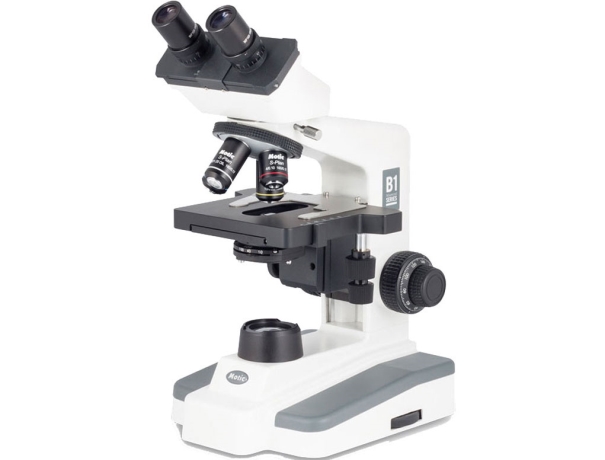
Microscopes and Imaging Tools
Needed for analyzing cell structures, pathogens, or even root systems.
Soil Analyzers
Automated machines that give a full nutrient profile in minutes.
Genetic Analyzers (PCR, DNA Sequencers)
Used for genetic fingerprinting, trait identification, and disease diagnostics.
How Lab Data Helps Farmers and Scientists
Data-Driven Decision Making
No more guessing. Farmers use lab results to choose the right crops, fertilizers, and irrigation methods.
Early Warning Systems
Labs help set up alerts for emerging diseases or pest risks, minimizing crop losses.
Precision Agriculture
Combine lab data with GPS and sensors, and you get smarter, more efficient farming with fewer resources wasted.
Future Trends in Agricultural Testing
AI and Machine Learning in Lab Analysis
Imagine software predicting disease outbreaks or optimal planting times—already happening in top-tier labs.
Real-Time Remote Sensing
Drones and satellites collect field data and sync it with lab tests for a complete crop health picture.
Automation and Robotics
Automated samplers, lab-on-a-chip tech, and robotic arms are making testing faster and more accurate.
Instruments and Equipment for Soil and Fertility Analysis
- Soil pH meter – Measures soil acidity.
- EC meter (Electrical Conductivity) – Measures soil salinity.
- Tensiometer or Gypsum Block – Measures soil moisture tension.
- Soil nutrient analysis systems – Measures levels of nitrogen, phosphorus, and potassium.
- Near-Infrared (NIR) Systems – For analyzing the chemical properties of soil.
Tools for Plant Physiology and Botanical Research
- Photosynthesis analyzer (e.g., LI-COR systems) – Measures photosynthesis rate, transpiration, and stomatal conductance.
- Chlorophyll meter / Colorimeter – Measures chlorophyll content and pigment concentrations in plants.
- Microscopes (light, fluorescence, electron) – For analyzing cell and tissue structures.
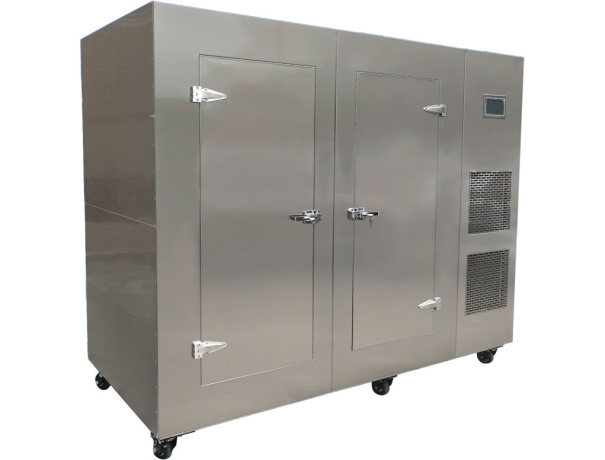
- Growth chambers (controlled environment rooms) – Allow control over light, temperature, and humidity.
- Gas analyzers (IRGA, CO₂ analyzers) – Measures gas exchange and CO₂ release from plants.
- Metabolic analysis systems – Measure sugar levels, proteins, enzymes, and plant metabolites.
Tools for Water and Irrigation Analysis
- Water EC meter – Monitors salinity in irrigation water.
- Water pH meter – Checks water acidity/alkalinity.
- UV/VIS spectrophotometer – Detects ions, nutrients, and pollutants in water.
- Comprehensive water quality test kits – For measuring nitrates, phosphates, chlorine, etc.
Field Crop Research Equipment
- Agricultural weather stations – Record temperature, humidity, rainfall, radiation, etc.
- Soil and water sensors – Real-time monitoring of moisture, temperature, salinity, and more.
- Data loggers and telemetry systems – Collect and transmit field data remotely.
- Drones with multispectral or hyperspectral cameras – Used for crop health monitoring and identifying nutrient deficiencies.
General Analytical Laboratory Equipment
- HPLC / GC-MS systems – For chemical identification and compound analysis in soil and plant samples.
- Spectrophotometers – For analyzing proteins, antioxidants, pigments, and other plant components.
- Root scanners – Analyze root systems digitally.
- Isotope Ratio Mass Spectrometry (IRMS) – Tracks nutrient pathways using stable isotopes.
Supportive Lab Equipment
- Autoclaves / sterilizers – For sterilizing tools and materials.
- Analytical balances – For highly accurate weighing of samples and reagents.
- Mixers, shakers, centrifuges – Used for sample preparation and solution mixing.
- -20°C and -80°C freezers – For storing sensitive samples and biological materials.
Growth Chambers and Specialized Incubation Units
- Standard Plant Growth Chambers (with or without humidity control)
These are temperature- and light-controlled chambers used for growing plants under reproducible environmental conditions. - With humidity control: Ideal for simulating tropical or high-moisture environments.
- Without humidity control: Suitable for dry environment simulations or when external humidity control is not required.
- Applications: Germination tests, photoperiodic experiments, stress physiology studies, seedling development.
- Algae Growth Chambers with Shakers
Specifically designed for cultivating algae in liquid media. These chambers integrate: - Shaking platforms or orbital shakers for aeration and suspension of algae cultures.
- Custom light configurations (including blue, red, and white LEDs) to optimize photosynthesis.
- Applications: Biofuel research, aquaculture, photosynthetic efficiency studies.
Grinding and Pulverizing Equipment
- Blade Mills / Dry Material Grinders
Used for grinding dried plant material, seeds, or soil into fine powder. - Features: High-speed stainless steel blades, adjustable speed, durable chamber for continuous use.
- Applications: Sample preparation for chemical analysis, spectroscopy, or extraction.
Ovens and Furnaces for Thermal Processing
- Muffle Furnaces (Ashing Furnaces)
High-temperature furnaces used to incinerate organic material and determine ash content. - Typical temperature range: up to 1100°C or higher.
- Applications: Organic matter quantification in soil, plant residue analysis, gravimetric testing.
- Drying Ovens for Lab Tools and Glassware
Used to dry or sterilize labware after washing or chemical exposure. - Features: Forced air circulation, digital temperature control, corrosion-resistant interior.
- Applications: Tool maintenance, preparation of containers for analytical use.
Additional Lab Essentials
- Hot Plates with Magnetic Stirrers
Combine heating and stirring capabilities in one unit. - Used for dissolving substances, preparing chemical solutions, and maintaining temperature during reactions.
- Options: Ceramic or aluminum tops, digital control, built-in safety features.
- Analytical and Precision Balances
Essential for measuring small quantities of solids or powders with extreme accuracy. - Analytical balances: Typically measure to 0.1 mg or better.
- Precision balances: Suitable for general lab weighing needs.
- Vacuum Pumps and Filtration Systems
For separating solids from liquids, especially in sample cleanup or microbiological applications. - Vacuum pumps: Rotary vane, diaphragm, or oil-free options depending on application.
- Filtration setups: Include Büchner funnels, filter flasks, membrane filters, and manifolds for multi-sample processing.
MUNRO laboratory equipment supplier for Agricultural and Plant Laboratories
MUNRO provides a wide range of laboratory equipment for Agricultural and Plant laboratories for various uses.