Laboratories specializing in air quality and gas monitoring are important in making our air safer.But what exactly are their goals, and what tests do they conduct? In this comprehensive guide, we'll dive deep into the world of air quality and gas monitoring laboratories.
Why Do Air Quality Labs Matter?
Ensuring Public Health
Ever wondered why cities track air quality every single day? Poor air can lead to severe respiratory issues like asthma, bronchitis, and even cardiovascular diseases. Air quality labs aim to protect public health by identifying hazardous pollutants before they become critical.
Environmental Protection
These laboratories aren't just looking out for humans. . By identifying pollutants, labs help reduce environmental damage, protecting plants, wildlife, and entire ecosystems.
Regulatory Compliance
Industries must adhere to strict air quality standards. Air quality labs ensure companies are following these rules, thus avoiding hefty fines and legal issues.
Improving Quality of Life
Clean air isn't a luxury; it’s a necessity. Air quality labs help maintain a higher quality of life by monitoring and advising on air purification and pollution reduction strategies.
Goals of Air Quality and Gas Monitoring Laboratories
Accurate Identification of Pollutants
Identifying what's in the air precisely is the cornerstone of air quality laboratories. Is it carbon monoxide, sulfur dioxide, particulate matter, or something else entirely? Accurate identification is essential.
Continuous Monitoring and Analysis
Pollution levels can fluctuate dramatically, even hour by hour. Continuous monitoring allows labs to detect and report changes rapidly.
Developing Air Quality Improvement Strategies
Once pollutants are identified, labs don't just stop there. They collaborate with policymakers and industries to develop practical solutions to improve air quality.
Research and Development
Labs consistently innovate and develop new testing methods and equipment, keeping pace with evolving environmental challenges.
Key Tests Conducted in Air Quality Labs
Gas Analysis Tests
Gas analysis helps identify and quantify gases like CO₂, CO, SO₂, NO₂, and O₃ (ozone). These gases are tested using advanced sensors such as electrochemical, infrared, and chemiluminescent analyzers.
Particulate Matter Testing
Particulates are tiny particles suspended in the air. Labs measure PM2.5 (particles smaller than 2.5 microns) and PM10 to assess risks to respiratory health.
Volatile Organic Compounds (VOC) Analysis
VOC analysis detects harmful organic compounds like benzene, formaldehyde, and toluene. Labs use methods such as gas chromatography-mass spectrometry (GC-MS) for precise detection.
Heavy Metal Testing
Pollutants like lead, mercury, cadmium, and arsenic are detected using atomic absorption spectroscopy (AAS) or inductively coupled plasma mass spectrometry (ICP-MS).
Microbial Air Testing
Microbial tests detect bacteria, fungi, and mold spores. This is crucial for indoor air quality assessments in homes and commercial buildings.
Odor and Chemical Sensory Tests
Specialized laboratories perform odor testing to detect and analyze unpleasant smells emitted from industrial sources.
Common Equipment Used in Air Quality Laboratories
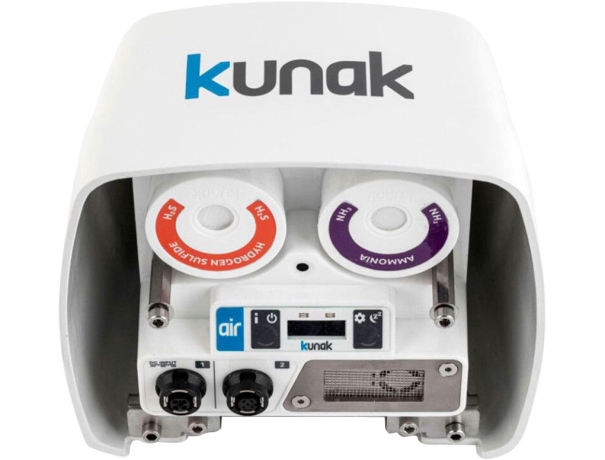
Gas Analyzers
These instruments measure the concentration of gases and identify pollutants accurately.
Particulate Matter Samplers
Samplers like high-volume air samplers collect particulates for lab analysis.
Spectrometers
Spectrometers such as GC-MS or ICP-MS analyze complex chemical and heavy metal compositions.
Microbial Air Samplers
These devices collect airborne biological samples, essential for microbial analysis.
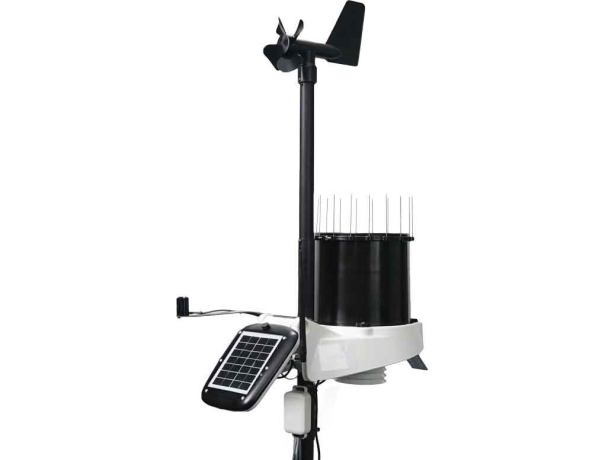
Meteorological Equipment
Wind speed sensors, humidity monitors, and temperature sensors help correlate air quality data with weather conditions.
Standards and Regulations Guiding Air Quality Laboratories
EPA Guidelines
The U.S. Environmental Protection Agency sets stringent regulations for air quality, guiding laboratory practices and testing methodologies.
ISO Standards
International Standards Organization (ISO) standards ensure uniformity and accuracy of laboratory tests globally.
Importance of Air Quality Testing in Different Sectors
Industrial Sector
Industries such as manufacturing, mining, and petrochemicals rely heavily on air testing to meet safety and regulatory standards.
Healthcare Facilities
Hospitals and clinics monitor air quality to prevent infections and ensure a safe environment for patients and staff.
Residential and Commercial Buildings
Regular air testing in buildings ensures safe living and working conditions by detecting hidden threats like mold, radon, and VOCs.
What instruments and equipment are used in Air Quality and Gas Monitoring Laboratories?
Air quality and gas monitoring laboratories rely on a variety of specialized instruments and equipment designed to detect, quantify, and analyze airborne pollutants and gas compositions. Below is an organized list of the primary tools commonly used in these laboratories:
Gas Analyzers and Detectors:
- Gas Chromatographs (GC)
- For precise separation and analysis of gas mixtures.
- Identifies volatile organic compounds (VOCs) and various pollutants.
- Mass Spectrometers (MS)
- Typically coupled with GC (GC-MS).
- Provides molecular identification and quantification with high accuracy.
- Infrared Gas Analyzers (IR / NDIR)
- Non-dispersive infrared sensors for gases like CO₂, CO, CH₄, and other hydrocarbons.
- Electrochemical Gas Sensors
- Used to detect toxic gases like CO, SO₂, NO₂, and NH₃ at trace levels.
- Photoionization Detectors (PID)
- Detects VOCs and hydrocarbons at very low concentrations.
- Flame Ionization Detectors (FID)
- Sensitive for measuring hydrocarbons and volatile organic pollutants.
- Chemiluminescence Analyzers
- Highly sensitive to nitrogen oxides (NO and NO₂).
- Paramagnetic Oxygen Analyzers
- Accurate oxygen measurement based on paramagnetic properties.
- Zirconia Oxygen Analyzers
- High-temperature O₂ sensors, suitable for combustion analysis.
- Thermal Conductivity Detectors (TCD)
- For binary gas mixtures and inert gases like helium and hydrogen.
Particle and Dust Monitoring Equipment:
- Particle Counters
- Measures airborne particulate matter (PM), typically PM₂.₅, PM₁₀, and ultrafine particles.
- Nephelometers
- Measures particle concentration by light scattering method.
- Beta Attenuation Monitors (BAM)
- Automated real-time monitoring of particulate matter.
- Gravimetric Samplers
- Collects particulate matter on filters for weighing and detailed chemical analysis.
- Cascade Impactors
- Size-selective sampling and particle distribution analysis.
Air Sampling Equipment:
- Air Sampling Pumps
- Portable and stationary pumps for precise air flow control during sampling.
- Passive Diffusion Samplers
- Measures long-term exposure to VOCs and specific gases.
- High-Volume Air Samplers
- Collect large-volume air samples for trace pollutant analysis.
- Tedlar Bags and Canisters
- For collection and transport of gas samples to laboratory for further analysis.
Meteorological Instruments:
- Weather Stations
- Measures parameters like wind speed, direction, temperature, humidity, and atmospheric pressure.
- Anemometers
- Specifically measures wind speed and air movement affecting pollutant dispersion.
- Humidity and Temperature Sensors
- Essential for correlating gas concentrations with environmental conditions.
Calibration and Reference Equipment:
- Calibration Gas Cylinders
- Known concentrations of gases for routine calibration of gas analyzers.
- Zero Air Generators
- Provides pure, contaminant-free air for baseline calibration.
- Dynamic Gas Dilution Systems
- Precisely dilutes calibration gases for multi-point calibration checks.
Laboratory Analysis Instruments:
- Spectrophotometers
- UV-Vis spectrophotometry for chemical analysis of air contaminants after extraction.
- Ion Chromatographs (IC)
- Analyzes ionic species, such as sulfates, nitrates, chlorides in particulate matter.
- Fourier Transform Infrared (FTIR) Spectrometers
- Advanced chemical identification of complex gas mixtures and pollutants.
Data Logging and Reporting:
- Data Acquisition Systems (DAQ)
- Continuous recording, monitoring, and analysis of environmental data.
- Remote Telemetry Systems