From farmers to real estate developers, gardeners to government agencies, soil testing services are vital for anyone interacting with the land.
Core Goals of Soil Testing Laboratories
Ensuring Soil Health
Healthy soil is like a thriving city beneath the surface, teeming with life and nutrients. Soil labs help ensure this ecosystem is balanced and thriving.
Optimizing Crop Production
Farmers depend on precise soil data to fine-tune fertilizer applications, boost yields, and save costs. No guesswork needed!
Environmental Protection
By identifying pollutants or imbalances, soil testing aids in preventing water contamination and reducing harmful runoff.
Land Management and Planning
Before building a highway or a shopping mall, developers rely on soil testing to ensure the ground is stable and suitable for heavy construction.
Types of Soil Tests Performed
Physical Soil Tests
Soil Texture Test
This test reveals the proportion of sand, silt, and clay — the fundamental building blocks of soil.
Bulk Density Measurement
Bulk density tells us how compact the soil is, critical for understanding root growth potential and water movement.
Chemical Soil Tests
pH Level Analysis
Is the soil acidic or alkaline? pH testing is crucial since extreme pH levels can lock nutrients away from plants.
Nutrient Analysis (NPK and Micronutrients)
Soil isn’t one-size-fits-all. Testing for nitrogen (N), phosphorus (P), potassium (K), and micronutrients fine-tunes fertilizer plans.
Salinity Testing
Too much salt in the soil can choke plants. Salinity tests prevent crop loss and soil degradation.
Organic Matter Content
Organic matter is like the ‘life force’ of soil, feeding plants and retaining moisture. Labs measure this to assess soil vitality.
Biological Soil Tests
Microbial Activity Assessment
Good soil is alive! Measuring microbial activity offers insight into soil fertility and disease resistance.
Soil Respiration Tests
This test tracks how much carbon dioxide soil microbes release — a direct indicator of soil health.
How Soil Samples Are Collected and Prepared
Importance of Proper Sampling
Bad samples mean bad results. Just like a doctor needs an accurate blood test, soil testing demands precise sample collection.
Steps for Accurate Soil Sampling
- Use clean tools.
- Sample at consistent depths.
- Mix samples for an average profile.
- Avoid sampling immediately after fertilization or heavy rain.
How Soil Tests Are Interpreted
Understanding Soil Test Reports
Soil reports may look like a foreign language at first, but they’re maps to healthier, more productive land once understood.
Making Data-Driven Decisions
With soil data in hand, you can custom-tailor your next steps — whether that’s planting, fertilizing, or building.
Latest Technologies in Soil Testing
Portable Soil Test Kits
These DIY kits have made soil testing as easy as brewing coffee at home!
Remote Sensing and Drone Technology
Using aerial imagery and sensors, farmers now diagnose soil health from the sky, saving time and effort.
Laboratory Automation and AI Analysis
Automation speeds up soil testing, while AI provides deeper insights, predicting outcomes more accurately than ever before.
What instruments and equipment are used in soil testing laboratories?
In soil testing laboratories, a wide range of instruments and equipment is used to analyze the physical, chemical, and biological properties of soil. Here's a comprehensive list, organized by function:
1. Sample Preparation Equipment
- Soil Samplers (augers, core samplers, probes)
- Drying Ovens (for drying soil at controlled temperatures, usually 105°C)
- Soil Grinders and Pulverizers (for grinding dried soil into fine particles)
- Sieve Shakers and Sieves (for particle size distribution and classification)
- Mortar and Pestle or Mechanical Crushers (for manual sample crushing)
2. Physical Properties Testing
- Hydrometers (for soil texture analysis - particle size)
- Atterberg Limits Testing Equipment:
- Casagrande Devices (liquid limit determination)
- Plastic Limit Rolling Devices
- Proctor Compaction Test Equipment:
- Permeameters (for permeability and hydraulic conductivity tests)
- Cone Penetrometers (for field and lab soil strength testing)
- Direct Shear Testing Machines (to measure shear strength)
- Triaxial Testing Systems (for advanced strength and stress analysis)
- Unconfined Compression Testers
- Sand Cone Apparatus (for in-situ soil density tests)
3. Chemical Properties Testing
- pH Meters (to measure soil acidity/alkalinity)
- Electrical Conductivity Meters (for salinity measurements)
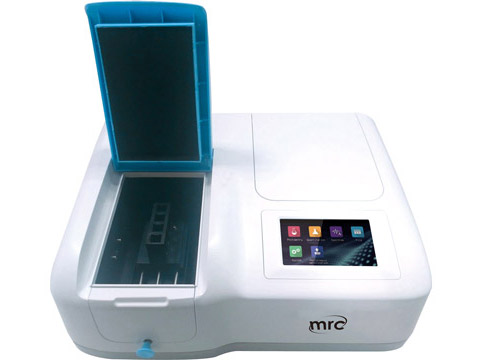
- Spectrophotometers(for chemical element analysis, e.g., nitrate, phosphate)
- Atomic Absorption Spectrometers (AAS) (for metal content analysis)
- ICP-OES or ICP-MS (for multielement analysis at trace levels)
- Titration Systems (for chemical reactivity testing, e.g., lime requirement)
- Colorimeters (for nutrient analysis based on color intensity)
4. Organic and Biological Properties Testing
- Carbon and Nitrogen Analyzers (for organic matter and nutrient content)
- BOD Incubators (for biological oxygen demand testing)
- Respirometers (to measure microbial activity)
- Soil Respiration Chambers (for CO₂ flux measurement)
- DNA Extraction Kits and PCR Machines (for soil microbiology studies)
5. Specialized Soil Analysis
- Soil Moisture Meters (volumetric or gravimetric methods)
- Tensiometers (to measure soil water tension)
- Suction Lysimeters (for extracting soil water samples)
- Thermal Conductivity Meters (for thermal property studies)
- Gypsum Blocks (for monitoring soil moisture tension)
6. Support Equipment and General Laboratory Tools
- Analytical Balances (precision weighing)
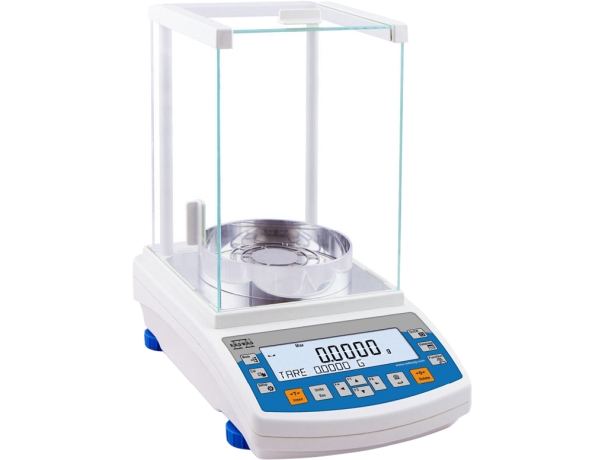
- Top-Loading Balances (general weighing)
- Refrigerators and Freezers (for sample preservation)

- Autoclaves (for sterilization of microbiological samples)
- Fume Hoods (for handling hazardous chemicals)
- Distillation Units (for water or solvent purification)
- Water Purification Systems (to ensure high-purity water for tests)
- Pipettes, Burettes, and Volumetric Flasks (for chemical preparations)
7. Field Testing Kits
- Portable Soil Testing Kits (pH, NPK, salinity quick tests)
- Portable Spectrometers and Sensors
- Handheld GPS Units (for precise sample location tracking)