Water testing isn’t just about ticking boxes—it's literally a matter of life and health. Labs ensure drinking water doesn’t contain harmful contaminants like bacteria, heavy metals, or dangerous chemicals.
Protecting the Environment
Water tests monitor rivers, lakes, and oceans, ensuring ecosystems aren't harmed by pollutants. Think of labs as environmental watchdogs, alerting us when there's a problem.
Compliance with Regulatory Standards
Labs also help municipalities and industries comply with strict environmental regulations. Without regular testing, contamination might go unnoticed until it’s too late.
Primary Goals of Water Testing Laboratories
Identification of Contaminants
Labs identify potentially hazardous substances lurking invisibly in water. It’s like detective work, pinpointing threats before they cause harm.
Determination of Water Quality
Assessing overall water quality is another key goal. Labs evaluate water’s suitability for drinking, agriculture, industrial uses, and recreation.
Public Health Protection
Above all, labs aim to protect public health by preventing waterborne illnesses and environmental hazards.
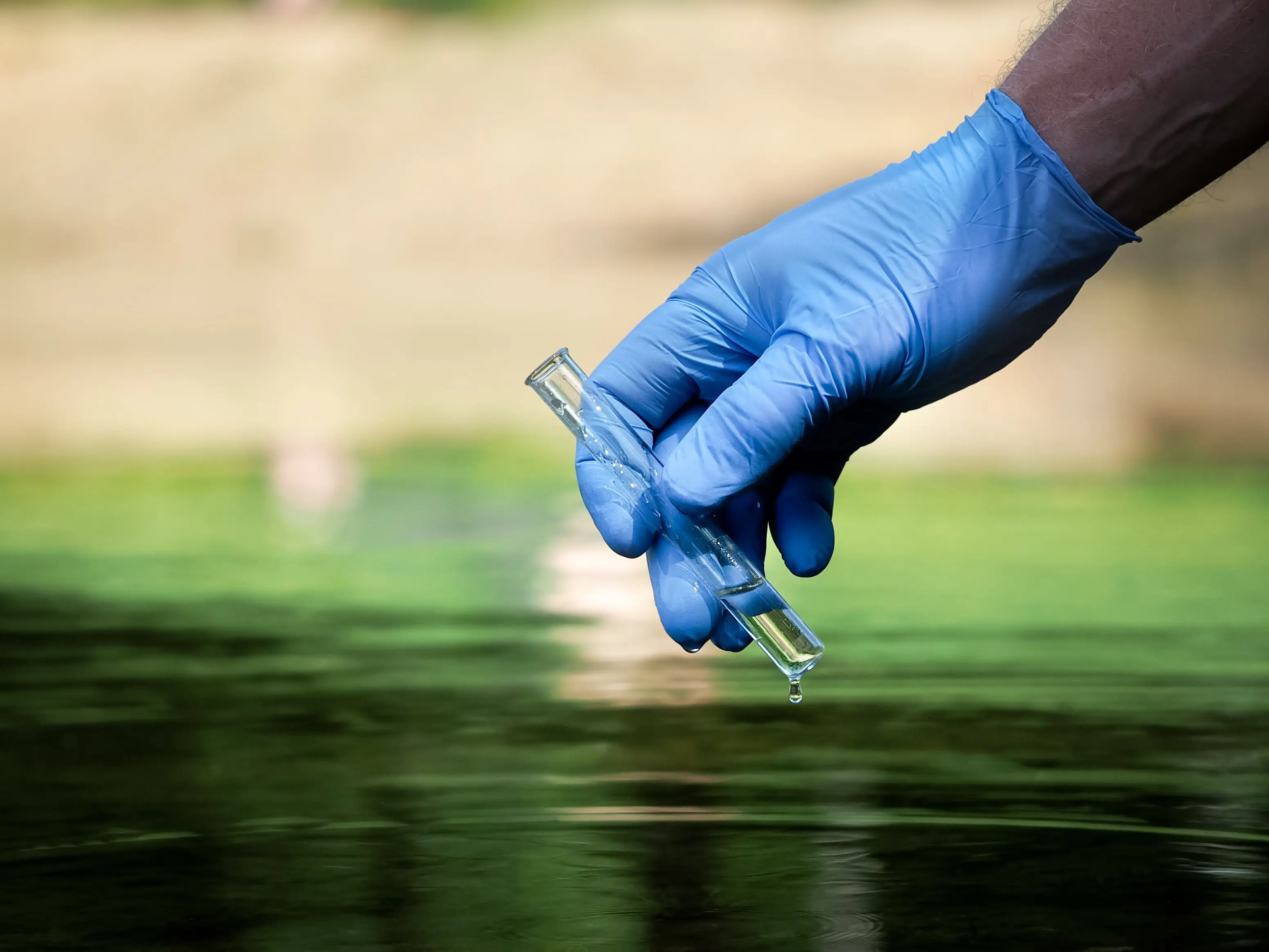
Types of Water Tested in Laboratories
Drinking Water
This is obvious—testing ensures water from taps and bottles meets strict health standards.
Wastewater
Labs ensure wastewater treatment plants remove contaminants effectively, preventing pollution of natural water bodies.
Surface and Groundwater
Regular tests track pollutants and ensure ecosystems remain balanced and safe.
Industrial Water
Industries use labs to test process water, ensuring operational safety and environmental compliance.
Common Contaminants in Water
Biological Contaminants
These include bacteria, viruses, and parasites that cause diseases like cholera and dysentery.
Chemical Contaminants
Chemicals like pesticides, heavy metals (lead, mercury), and pharmaceuticals often contaminate water supplies.
Physical Contaminants
Physical impurities include suspended solids, sediments, and plastic particles.
Key Tests Conducted in Water Laboratories
Microbiological Tests
Coliform and E. coli Testing
These tests quickly reveal harmful bacterial contamination.
Legionella Testing
Critical in public water systems to prevent legionnaires' disease outbreaks.
Chemical Analysis
pH Testing
Water’s acidity or alkalinity affects taste, corrosion, and treatment processes.
Heavy Metal Analysis
Vital for detecting toxic metals such as lead or mercury.
Organic Compound Testing
Identifies potentially harmful organic chemicals like solvents and pesticides.
Nutrient Levels
Monitors levels of nitrogen and phosphorus, which influence water quality and algae growth.
Physical Testing
Turbidity
Measures water clarity, indicating contamination or quality issues.
Conductivity
Reflects water’s ability to conduct electricity, hinting at dissolved minerals or salts.
Temperature Measurement
Temperature affects dissolved oxygen levels, influencing aquatic life health.
Advanced Water Testing Techniques
Spectrophotometry
Measures specific contaminants accurately using light absorption techniques.
Chromatography
Separates complex chemical mixtures, detecting pesticides and organic pollutants.
Mass Spectrometry
Highly precise for identifying trace contaminants, even in minute amounts.
Water Quality Standards and Guidelines
WHO Guidelines
International standards for safe drinking water quality.
EPA Regulations
Strict U.S. guidelines governing all aspects of water quality.
Sampling Procedures in Water Testing Labs
Proper Collection Methods
Accurate testing starts with proper sampling—labs guide precise procedures to avoid contamination.
Sample Storage and Transportation
Samples must be transported carefully to ensure accurate test results.
Interpreting Water Test Results
Understanding Lab Reports
Clearly interpreting lab reports ensures informed decision-making.
Decision-Making Based on Results
Authorities and industries rely on test results to decide treatments, regulations, and remediation efforts.
Laboratory Accreditation and Certification
Importance of Accreditation
Accredited labs ensure reliable and internationally accepted results.
Common Certifications (ISO 17025)
ISO 17025 is the gold standard, guaranteeing a lab’s competency in water testing.
Challenges in Water Testing
Accuracy and Precision
Ensuring tests remain accurate and reproducible is crucial.
Emerging Contaminants
Labs continuously adapt methods to detect new pollutants like microplastics or pharmaceuticals.
The Future of Water Testing Laboratories
Automation and Robotics
Future labs might see robots handling samples, reducing errors and enhancing efficiency.
Real-Time Monitoring Technologies
Imagine instant alerts whenever contaminants spike—this technology is becoming reality.
What devices and equipment are used in water testing laboratories?
Basic Physical & Chemical Testing
- pH Meters
- Measures the acidity or alkalinity of water.
- Conductivity Meters
- Indicates the ionic content (salts and minerals).
- Turbidity Meters (Nephelometers)
- Measures the cloudiness caused by suspended solids.
- Dissolved Oxygen (DO) Meters
- Evaluates the oxygen level, essential for aquatic life.
- TDS Meters (Total Dissolved Solids)
- Indicates the concentration of dissolved substances.
- Temperature Probes
- Monitors the temperature of water, which affects all tests.
Chemical Analysis Equipment
- Spectrophotometers (UV-VIS)
- For colorimetric analysis of nitrates, phosphates, metals, etc.

- Ion Chromatographs (IC)
- Separate and quantify ions like fluoride, nitrate, sulfate.
- Gas Chromatographs (GC)
- Detects volatile organic compounds (VOCs).
- Atomic Absorption Spectrophotometers (AAS)
- Measures metal ions like lead, arsenic, mercury.
- Inductively Coupled Plasma Mass Spectrometry (ICP-MS)
- Ultra-sensitive detection of heavy metals.
- Titrators (Automatic)
- Used for parameters like alkalinity, hardness, and chloride.
- Colorimeters
- Portable devices for on-site chemical tests.
-
Microbiological Testing Equipment
- Autoclaves
- Sterilizes glassware and media.
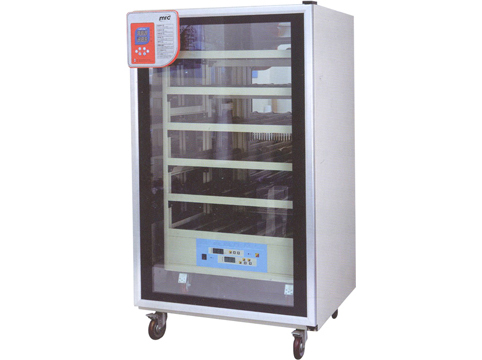
- Incubators
- Maintains optimal temperatures for bacterial growth.
- Colony Counters
- Assists in counting bacterial colonies on petri dishes.
- Membrane Filtration Units
- Used for microbial testing of water by trapping bacteria on a filter.
- Laminar Flow Hoods
- Provides a sterile environment for microbiological work.
- Water Bath Shakers
- For culturing bacteria or dissolving chemicals uniformly.
Sample Collection & Preparation
- Sampling Bottles (Sterile/Non-Sterile)
- For field water sample collection.
- Centrifuges
- Separate suspended particles or microbes.
- Distillation Units
- For preparing deionized/distilled water used in testing.
- Magnetic Stirrers and Hotplates
- For mixing reagents and heating samples.
- Glassware (Beakers, Pipettes, Volumetric Flasks, etc.)
- For measurement and chemical reactions.
Data Logging & Quality Control Tools
- LIMS (Laboratory Information Management Systems)
- Software to manage test data, samples, and reports.
- Analytical Balances
- High-precision weighing of reagents and samples.
- Calibration Standards and Buffers
- For equipment calibration and ensuring test accuracy.