Chemistry laboratories are packed with fascinating instruments and equipment designed to explore, discover, and innovate. Curious to know more? Let’s dive deeper!
The Primary Goals of Chemistry Laboratories
Understanding Chemical Properties
At the heart of every test lies a fundamental goal: understanding how substances behave. Labs analyze how chemicals interact with each other, with heat, light, and even with time.
Identifying Unknown Substances
From crime scenes to contaminated water, labs help identify unknown substances. Whether it’s a white powder or a strange color in food, chemistry gives the answers.
Developing New Compounds
Think of labs as chemical playgrounds for scientists trying to create new drugs, materials, and products. This includes developing compounds that don’t yet exist in nature.
Enhancing Product Safety and Quality
Manufacturers depend on chemistry labs to ensure their products meet safety standards and do what they promise—no surprises in that new shampoo bottle, please!
Supporting Regulatory Compliance
Regulations are strict for a reason. Labs help companies prove their products meet safety and environmental guidelines.
Training and Education
Chemistry labs are also classrooms. Students and researchers use them to understand theoretical principles through hands-on experiments.
Categories of Tests Conducted in Chemistry Labs
Qualitative Analysis
What Is Being Tested?
This type of analysis focuses on what is in a sample—no numbers, just identities. Think of it as chemical detective work.
Examples of Qualitative Tests
- Flame tests for metal ions
- Litmus tests for acidity/alkalinity
- Precipitation reactions
Quantitative Analysis
Why Numbers Matter
This tells you how much of a substance is present. Accurate dosing in pharmaceuticals depends on this.
Gravimetric and Volumetric Methods
- Gravimetric: Measuring mass (e.g., how much chloride in salt?)
- Volumetric: Using titrations to measure concentration
Physical Chemistry Tests
Melting/Boiling Points, Density
These physical properties tell us a lot—like how pure a compound is or how it will behave under pressure.
Spectroscopy and Calorimetry
Tools like UV-Vis and IR spectroscopy help scientists “see” molecules without ever looking at them directly.
Organic Chemistry Tests
Identification of Organic Molecules
Tests like NMR or chromatography help identify carbon-based compounds, such as alcohols, esters, and acids.
Reaction Mechanism Studies
Understanding how a reaction occurs helps improve it or prevent unwanted byproducts.
Inorganic Chemistry Tests
Metal and Mineral Analysis
These tests determine the presence of elements like iron, zinc, or copper in samples.
Oxidation States and Reactions
How reactive is a substance? Can it rust or explode? These are critical answers for both safety and function.
Analytical Chemistry
Titrations and Chromatography
From vitamin C in orange juice to pollutants in rivers, these tests help break down complex mixtures.
Instrumental Techniques (e.g. HPLC, GC-MS)
Advanced instruments give ultra-precise readings and are key in pharmaceutical and forensic fields.
Testing Environments and Tools Used
Common Lab Equipment
- Beakers, flasks, burettes
- Hot plates, balances, pipettes
Safety Tools and PPE
- Goggles, gloves, lab coats
- Fume hoods and eye wash stations
Advanced Instruments
- HPLC (High Performance Liquid Chromatography)
- Mass spectrometers
- Atomic absorption spectrometers
Real-World Applications of Chemistry Lab Testing
Pharmaceutical Development
From early drug discovery to shelf-life testing, labs ensure medications are safe and effective.
Environmental Monitoring
Labs test air, soil, and water samples for pollution, ensuring ecosystems and humans are protected.
Food and Beverage Quality Control
Is there too much sugar? Any bacterial contamination? Chemistry labs help ensure safe, tasty products.
Forensic Investigations
Whether it’s poison, drugs, or explosives—chemistry helps solve crimes.
Industrial Product Testing
From plastics to paints, every product undergoes chemical testing to meet durability, color, and safety standards.
Accuracy, Precision, and Reliability in Lab Testing
Importance of Calibration
Calibrated instruments = trustworthy results. Without this, even the best methods are worthless.
Validation and Reproducibility
If a test only works once, it’s no good. Labs aim for results that can be repeated with consistent outcomes.
What Instruments and Equipment Are Used in Chemistry Laboratories?
Glassware Essentials
Beakers and Flasks
Think of beakers and flasks as the coffee mugs and pitchers of the chemistry world. They're perfect for mixing, storing, or heating chemicals, and come in various shapes and sizes.
Test Tubes
These slender glass tubes might look simple, but they're perfect for handling small reactions. Need to heat, mix, or observe reactions closely? Test tubes have you covered.
Pipettes and Burettes
Imagine you need precise measurement. Pipettes and burettes are your best friends. They measure exact volumes of liquids, crucial for accuracy in experiments.
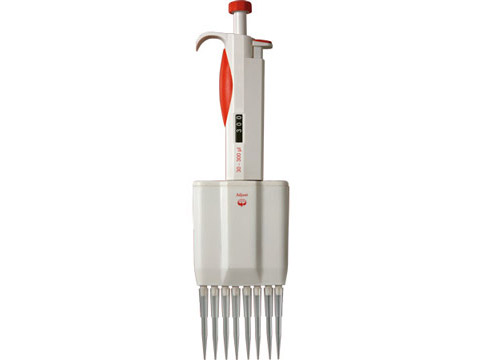
Graduated Cylinders
Looking for accuracy without complexity? Graduated cylinders offer easy and precise measurement, ideal for straightforward volume measurement tasks.
Heating Equipment
Bunsen Burner
Think of this as your mini stove—essential for heating substances directly. It provides consistent heat and is a staple of many chemical reactions.
Hot Plates
If open flames sound risky, hot plates are your safer alternative, providing controlled and adjustable heating, perfect for sensitive or flammable substances.
Heating Mantles
Designed specifically for heating round-bottom flasks, heating mantles evenly distribute heat. Perfect for gentle, uniform heating during reactions.
Measurement and Analytical Instruments
Balances
Precision is crucial. Laboratory Balances (analytical and precision balances) help chemists measure chemicals down to fractions of milligrams.
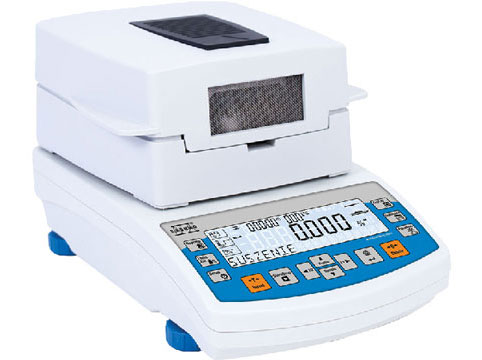
Spectrophotometers
Think of spectrophotometers as high-tech eyes—they analyze how substances absorb light, crucial for identifying chemicals and concentrations.
pH Meters
Ever wonder how acidic your solution is? A pH meter measures acidity or alkalinity quickly and accurately.
Gas Chromatographs
Imagine separating mixtures like sorting colored candies. Gas chromatographs do exactly this, helping chemists identify components in complex mixtures.
Safety Equipment
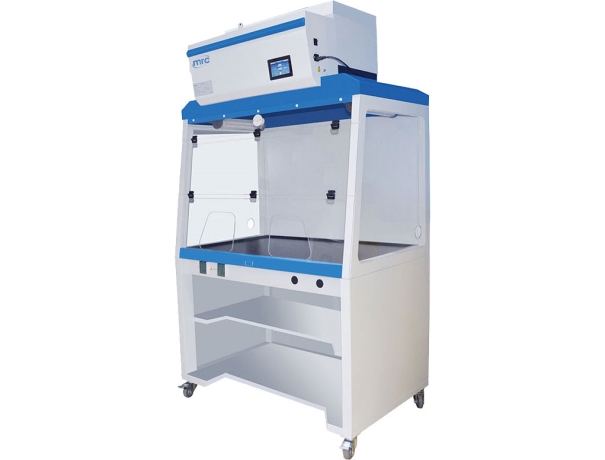
Fume Hoods
Think of these as protective barriers—they ventilate harmful fumes and gases away from lab workers, maintaining safety during hazardous experiments.
Safety Goggles and Gloves
Would you cook hot chili without oven mitts? Likewise, safety goggles and gloves protect your eyes and hands from dangerous chemicals and potential injuries.
Eyewash Stations
Accidents happen! Eyewash stations are there to quickly wash chemicals from your eyes, ensuring immediate first aid.
Mixing and Stirring Equipment
Magnetic Stirrers
Ever struggled with manually stirring a stubborn mix? Magnetic stirrers effortlessly and consistently stir liquids, perfect for long-duration experiments.
Vortex Mixers
Need quick and intense mixing? Vortex mixers rapidly agitate samples, ideal for thoroughly blending small quantities of liquids.
Distillation and Separation Equipment
Distillation Apparatus
Imagine turning seawater into drinking water. Distillation apparatus separates liquids based on boiling points, crucial for purification.
Centrifuges
Think of a salad spinner—centrifuges spin samples rapidly, separating mixtures based on density. They're ideal for isolating solids from liquids.
Storage and Preservation Equipment
Desiccators
Need your samples completely dry? Desiccators maintain low humidity, keeping moisture-sensitive chemicals protected.
Refrigerators and Freezers
Just like at home, labs rely on refrigerators and freezers for safely storing temperature-sensitive chemicals and biological samples.
Advanced Instrumentation
NMR Spectrometer
Imagine "seeing" molecules at an atomic level. NMR spectrometers allow chemists to determine molecular structures, an indispensable tool in organic chemistry.
Mass Spectrometer
Think of this as a chemical detective—it identifies and quantifies molecules based on mass, essential in analytical chemistry.
Cleaning Equipment
Ultrasonic Cleaners
Imagine microscopic bubbles scrubbing your equipment spotless—ultrasonic cleaners achieve this through high-frequency vibrations, keeping lab tools contaminant-free.
Lab Furniture and Fixtures
Lab Benches and Cabinets
Practical and sturdy, lab benches and cabinets provide organized, safe, and efficient workspaces, essential for daily lab tasks.
Chemical Storage Cabinets
Safety first! These specialized cabinets safely store reactive or hazardous chemicals, protecting lab personnel and the environment.