What Are the Goals and What Is Tested in Cosmetics and Cleaning Products Laboratories?
Primary Goals of Cosmetic and Cleaning Product Laboratories
Ensuring Consumer Safety
This is priority number one. Labs are constantly working to make sure that your face cream won’t cause a rash, or that your floor cleaner won’t leave toxic residues.
Allergen Testing
Before a product reaches your shelf, it's tested for potential allergens that may affect people with sensitive skin or respiratory conditions.
Skin Irritation and Sensitivity Checks
Products undergo dermatological assessments to determine how they react with different skin types—especially around the eyes, lips, and other sensitive areas.
Compliance with Regulatory Standards
Regulations are tough—and rightly so. Labs must ensure compliance with various international standards.
Global Requirements
Whether it’s FDA in the USA, EU Cosmetics Regulation, or Health Canada, every product must meet strict criteria before it hits the market.
Labeling and Claims Validation
If a brand claims “anti-aging” or “kills 99.9% of germs,” labs must verify that claim with scientific proof. No fluff, just facts.
Product Stability and Shelf Life
Imagine your hand cream separating into oil and gunk after two weeks. Labs test for long-term stability, ensuring products remain effective and safe even months or years after manufacture.
Enhancing Product Effectiveness
Performance Testing
It’s not enough for products to look good—they must do their job. Labs evaluate cleaning power, UV protection, moisturizing effect, and more.
Real-World Simulation Testing
To mimic real-life usage, products are exposed to conditions like sunlight, humidity, friction, and frequent application.
���� Common Tests Performed
Microbiological Testing
Cleanliness isn’t just for appearances. Labs test to make sure the product itself isn’t a breeding ground for bacteria.
Preservative Efficacy Testing (PET)
PET measures how well preservatives in a product prevent microbial growth over time.
Chemical Safety Testing
This includes checking for any toxic elements that could cause harm with prolonged use.
pH, Heavy Metals, and Contaminants
The pH must suit the body area it targets—like a face cream vs. foot lotion. Heavy metals like lead or arsenic? Absolute no-go.
Dermatological Testing
Patch Testing and In-Use Studies
Volunteers use the product under monitored conditions to assess any adverse effects like redness, itching, or dryness.
Compatibility and Stability Testing
Products are stored in various packaging types and conditions to test for leaching, degradation, or interaction with containers.
Temperature and Packaging Impact
Extreme heat or cold can break a formula. Labs simulate these environments to assess product integrity.
Sensory and Consumer Evaluation Tests
It’s not just about science—smell, feel, and appearance matter too. Sensory panels provide feedback on every aspect of user experience.
Smell, Texture, and Visual Appeal
These elements greatly influence buying decisions, so they’re rigorously tested and refined.
Cleaning Efficacy Tests
Soil Removal, Anti-Bacterial Effectiveness
Surface cleaners are tested on standardized soils and bacteria strains to ensure they actually clean.
Equipment and Technologies Used in Labs
Spectrophotometers
These devices help determine concentration and purity by analyzing how light passes through a sample.
Gas Chromatography-Mass Spectrometry (GC-MS)
Used for identifying unknown compounds, GC-MS is vital in detecting traces of toxic substances.
Stability Chambers
These simulate different climates and measure how products behave over time.
In Vitro Testing Systems
These non-animal tests replicate skin or eye tissue to evaluate irritation potential—crucial in today’s cruelty-free world.
Role of Innovation and Sustainability
Clean Beauty and Green Chemistry
Consumers demand natural, safe, and environmentally friendly products. Labs innovate constantly to meet these needs with biodegradable, non-toxic formulations.
Testing Biodegradability and Eco-Impact
From how a product breaks down in water to its packaging’s environmental footprint, labs assess eco-safety end-to-end.
What instruments and equipment are used in Cosmetics and cleaning products laboratories
1. Analytical Instruments
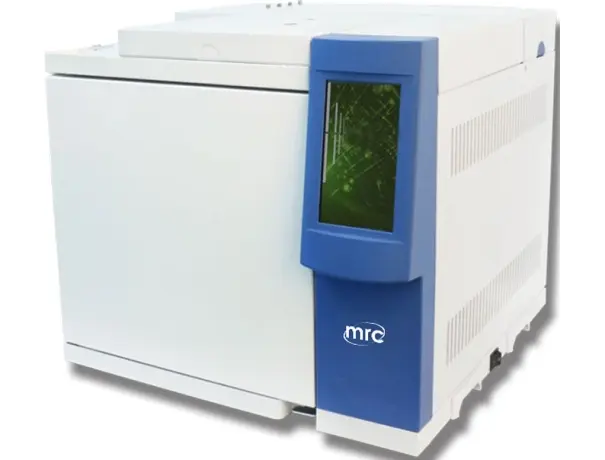
Gas Chromatography (GC)
- Purpose: Analyzes volatile compounds in fragrances, essential oils, and preservatives.
- Application: Detects impurities and ensures formulation stability.
High-Performance Liquid Chromatography (HPLC)
- Purpose: Separates and quantifies ingredients like surfactants, parabens, or active agents.
- Application: Used in quality control and raw material analysis.
UV-Visible Spectrophotometer
- Purpose: Measures light absorption in UV and visible range.
- Application: Determines concentration of active ingredients (e.g., sunscreen agents, whitening agents).
Fourier Transform Infrared Spectroscopy (FTIR)
- Purpose: Identifies functional groups in organic compounds.
- Application: Verifies chemical structures of raw materials and final products.

pH Meter
- Purpose: Measures acidity or alkalinity.
- Application: Essential for formulating skin-friendly products.
2. Physical Testing Instruments
Viscometer or Rheometer
- Purpose: Measures viscosity and flow behavior.
- Application: Ensures consistency in creams, gels, lotions, and detergents.
Texture Analyzer
- Purpose: Measures firmness, spreadability, and compressibility.
- Application: Evaluates product feel and consumer experience.
Conductivity Meter
- Purpose: Measures electrical conductivity in aqueous systems.
- Application: Used in testing cleansing products and ionic surfactants.
3. Microbiological Equipment
Laminar Flow Cabinet
- Purpose: Provides sterile environment for sample preparation.
- Application: Used during microbial challenge tests or sample plating.

Incubator
- Purpose: Maintains constant temperature for microbial growth.
- Application: Used in stability and preservation testing.
Autoclave
- Purpose: Sterilizes equipment and media.
- Application: Ensures a contamination-free environment.
4. Stability and Environmental Testing
Stability Chamber / Climatic Chamber
- Purpose: Simulates various temperature and humidity conditions.
- Application: Tests product shelf life under different environmental conditions.
Centrifuge
- Purpose: Separates emulsions and suspensions.
- Application: Assesses product separation, stability, or contamination.
5. Sample Preparation Tools
Homogenizer
- Purpose: Ensures uniform blending of components.
- Application: Creates stable emulsions in creams, lotions, and gels.
Magnetic Stirrer with Hot Plate
- Purpose: Mixes and heats formulations.
- Application: Used during formulation of creams, shampoos, and soaps.
Precision Balances
- Purpose: Accurate weighing of raw materials.
- Application: Critical in formulation and batch production.
6. Packaging and Compatibility Testing Tools
Crimping Machine / Tube Sealer
- Purpose: Seals packaging for testing or sample distribution.
- Application: Used for product integrity testing.
Drop Tester / Vibration Tester
- Purpose: Simulates transportation stress.
- Application: Evaluates packaging durability.
7. Safety and Regulatory Testing Equipment
Patch Testing Apparatus
- Purpose: Evaluates skin irritation and allergenic potential.
- Application: Part of dermatological safety assessments.
Flash Point Tester
- Purpose: Measures flammability of alcohol-based or aerosol products.
- Application: Ensures compliance with transport regulations.