What Are the Goals and What Is Tested in Microbiology Laboratories?
Primary Goals of Microbiology Laboratories
Disease Identification
The number one goal is catching harmful pathogens. Microbiology labs identify bacteria and viruses responsible for diseases like tuberculosis, influenza, COVID-19, and food poisoning. Quick identification helps doctors prescribe the right treatment promptly.
Public Health Protection
Public health relies heavily on microbiology labs. From analyzing outbreaks to preventing disease spread, these labs are frontline warriors. They safeguard community health by providing vital data to public health authorities.
Environmental Monitoring
Microorganisms are everywhere—in air, water, and soil. Labs monitor microbial levels to maintain environmental safety, detecting harmful contamination or ecological imbalance early.
Quality Assurance
Industries rely on microbiology labs for quality assurance, ensuring products like food, beverages, medicines, and cosmetics are safe and free from contamination.
Types of Microorganisms Tested
Bacteria
From beneficial probiotics to deadly pathogens like E. coli and Salmonella, microbiology labs detect and study bacteria to manage their impact effectively.
Viruses
Viruses like influenza, COVID-19, and measles are identified and studied extensively, providing essential insights for vaccination and treatment strategies.
Fungi
Mold and yeast infections are also tackled in these labs. Understanding fungi helps control infections, ensuring healthier communities.
Protozoa
Protozoa, responsible for diseases like malaria and amoebiasis, are meticulously tested to guide effective treatment and control measures.
Common Tests Performed in Microbiology Labs
Culture and Sensitivity Tests
Labs grow bacteria on nutrient media, allowing identification and testing against various antibiotics. This guides doctors in prescribing effective treatments.
Gram Staining
A classic method distinguishing bacteria based on cell-wall properties, aiding in rapid identification and initial treatment steps.
PCR Testing
Polymerase Chain Reaction (PCR) detects specific genetic material rapidly, invaluable during pandemics like COVID-19.
Serological Testing
Identifying antibodies in blood, serology tests reveal past infections or immunity status, crucial for disease control.
Microscopic Examination
Direct microscopic observation helps quickly spot bacteria, parasites, and fungi, offering rapid diagnostic insights.
Clinical Microbiology Labs: Saving Lives Daily
Clinical microbiology labs directly support healthcare providers, speeding up diagnosis and improving patient outcomes dramatically.
Food Microbiology Labs: Keeping Our Food Safe
By regularly testing for pathogens like Listeria, Salmonella, and E. coli, these labs ensure our meals remain safe, fresh, and nutritious.
Environmental Microbiology Labs: Protecting Ecosystems
Monitoring microorganisms in water and soil prevents environmental disasters and maintains biodiversity, crucial for planetary health.
Pharmaceutical Microbiology Labs: Ensuring Drug Safety
Pharmaceutical microbiology labs ensure medicines are sterile, potent, and free from contamination, safeguarding consumer health.
Water Testing: Safeguarding Drinking Water
Labs vigilantly test water sources for microbial contaminants, ensuring drinking water remains safe, clean, and pathogen-free.
Advanced Techniques in Microbiology Laboratories
Automated Microbial Identification Systems
These high-tech systems rapidly identify pathogens, streamlining lab efficiency and accuracy.
DNA Sequencing
DNA sequencing provides detailed microbial identification, enabling advanced diagnostics and treatments.
Mass Spectrometry
This sophisticated method identifies microorganisms by their protein profiles, revolutionizing accuracy and speed.
Role of Microbiology Labs in Pandemic Response
The COVID-19 pandemic highlighted microbiology labs' critical role, from rapid virus detection to tracking mutations and guiding public health decisions worldwide.
What instruments and equipment are used in microbiology laboratories?
Microbiology laboratories use a variety of specialized instruments and equipment essential for studying microorganisms, conducting research, diagnosing diseases, and performing quality control tests. Here is a comprehensive list categorized by their specific uses:
Culture and Growth Equipment:
- Incubators: Maintain precise temperatures to grow microorganisms.
- Types: Standard, CO₂ incubators, refrigerated incubators.
- Autoclaves (Steam Sterilizers): Sterilize media, glassware, and waste using high pressure and heat.
- Anaerobic Chambers: Provide an oxygen-free environment for cultivating anaerobic bacteria.
- Shaking Incubators (Orbital Shakers): Promote uniform growth and aeration in cultures.
- Fermenters and Bioreactors: Cultivate large-scale microbial cultures for research or industrial purposes.

Sterilization and Disinfection Equipment:
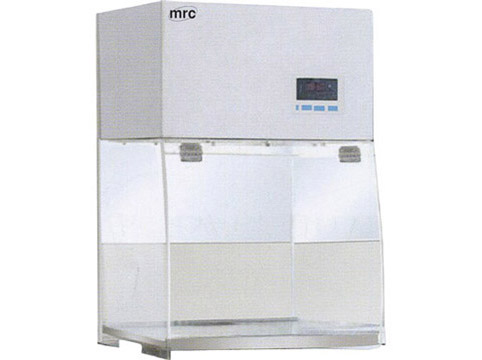
- Laminar Flow Hoods (Biological Safety Cabinets): Provide a sterile working environment and protect lab personnel.
- Types: Class I, Class II (most common), and Class III biosafety cabinets.
- Dry Heat Sterilizers (Hot Air Ovens): Sterilize glassware and instruments without moisture.
- UV Sterilizers: Disinfect work surfaces and air by destroying microorganisms through ultraviolet radiation.
Microscopy Equipment:
- Compound Light Microscopes: Routine observation of microorganisms (bacteria, fungi, protozoa).
- Stereo Microscopes (Dissecting Microscopes): For larger specimens, colonies, and fungi.
- Fluorescence Microscopes: Observe microorganisms tagged with fluorescent dyes.
- Electron Microscopes (SEM & TEM): High-resolution imaging for ultrastructural details of microbes.
Sample Preparation Equipment:
- Centrifuges: Separate microbial cells or precipitates from liquid media.
- Types: Microcentrifuge, refrigerated centrifuge, ultracentrifuge.
- Homogenizers and Vortex Mixers: For thorough mixing and cell disruption.
- Microtomes and Cryostats: Thin-sectioning microbial colonies or tissues for microscopic examination.
Microbial Identification and Analysis Instruments:
- Spectrophotometers: Measure turbidity (optical density) for bacterial growth.
- Automated Colony Counters: Accurately count microbial colonies grown on agar plates.
- PCR (Polymerase Chain Reaction) Machines (Thermal Cyclers): Amplify DNA/RNA for molecular identification of microbes.
- Gel Electrophoresis Equipment: Separate nucleic acids or proteins for microbial characterization.
- Mass Spectrometers (MALDI-TOF MS): Rapid microbial identification by analyzing protein profiles.
Measurement and Monitoring Equipment:
- pH Meters: Measure acidity or alkalinity of growth media.
- Conductivity Meters: Check nutrient concentration and purity of water or media.
- Gas Analyzers: Monitor gases in incubators and anaerobic environments (O₂, CO₂, H₂).
Media and Reagent Preparation Equipment:
- Media Preparators: Automated preparation and dispensing of sterile nutrient media.
- Water Distillation Systems: Produce pure water for media preparation and reagent dilution.
- Micropipettes and Dispensers: Accurate measurement and transfer of liquid samples.
Safety and Storage Equipment:
- Refrigerators and Freezers (including ultra-low-temperature freezers): Preserve cultures, reagents, and biological samples.
- Cryogenic Storage (Liquid Nitrogen Tanks): Long-term preservation of microorganisms and cell lines.
- Personal Protective Equipment (PPE): Lab coats, gloves, face masks, safety goggles