Pipettes are indispensable tools that require regular maintenance and calibration to ensure accurate and reliable results. Proper care and calibration of pipettes are essential for maintaining the integrity of experimental data and ensuring reproducibility in scientific research.
What are pipettes
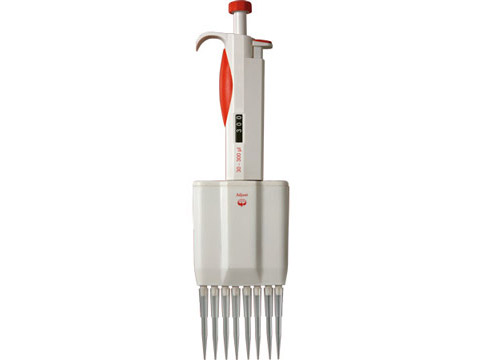
Pipettes come in various types, including single-channel, multi-channel, manual, and electronic pipettes. Regardless of the type, regular maintenance and calibration are crucial to ensure their precision and accuracy.
Importance of Maintenance and Calibration
Maintaining and calibrating pipettes is vital for several reasons:
- Accuracy and Precision: Ensuring that pipettes deliver the correct volume of liquid is essential for the accuracy and precision of experiments.
- Data Integrity: Properly calibrated pipettes prevent errors in experimental data, ensuring the reliability of research findings.
- Compliance: Laboratories must adhere to regulatory standards, which often mandate regular maintenance and calibration of pipettes.
Routine Maintenance of Pipettes
Routine maintenance of Laboratory pipettes involves several key steps:
1. Cleaning
Regular cleaning is fundamental to pipette maintenance. This includes:
- Exterior Cleaning: Wipe the exterior of the pipette with a lint-free cloth moistened with a mild detergent or 70% isopropanol solution.
- Interior Cleaning: Disassemble the pipette and clean the interior parts, such as the piston and seals, with appropriate cleaning agents. Ensure all components are thoroughly dried before reassembly.
2. Lubrication
Lubrication is necessary to maintain the smooth operation of pipettes. Use only manufacturer-recommended lubricants, and apply them sparingly to the piston and O-rings.
3. Visual Inspection
Regular visual inspections help identify any signs of wear or damage. Check for cracks, corrosion, or deformities in the pipette body, tip cone, and piston. Replace any damaged parts promptly to avoid compromising the pipette's performance.
4. Leak Testing
Leak testing is crucial to ensure that the pipette does not lose liquid during use. This can be performed by aspirating a liquid and observing if there is any leakage over a set period.
Calibration Requirements
Calibration of pipettes involves verifying and adjusting their performance to ensure they dispense the correct volume of liquid. This process should be conducted at regular intervals, depending on the frequency of use and the criticality of the application.
1. Gravimetric Method
The gravimetric method is the most common technique for pipette calibration. It involves the following steps:
- Preparation: Use a high-precision analytical balance and distilled water. Ensure the balance is calibrated and the water is at room temperature.
- Weighing: Dispense the liquid from the pipette into a weighing vessel and record the weight. Convert the weight to volume using the density of water.
- Comparison: Compare the dispensed volume with the nominal volume. Calculate the deviation and adjust the pipette as necessary.
2. Photometric Method
The photometric method involves using a dye solution and a spectrophotometer to measure the absorbance of the solution dispensed by the pipette. This method is less common but can be useful for certain applications.
3. Frequency of Calibration
The frequency of calibration depends on several factors:
- Usage: High-frequency use may require more frequent calibration.
- Precision Requirements: Applications requiring high precision may necessitate more regular calibration.
- Manufacturer Recommendations: Follow the manufacturer's guidelines for calibration intervals.