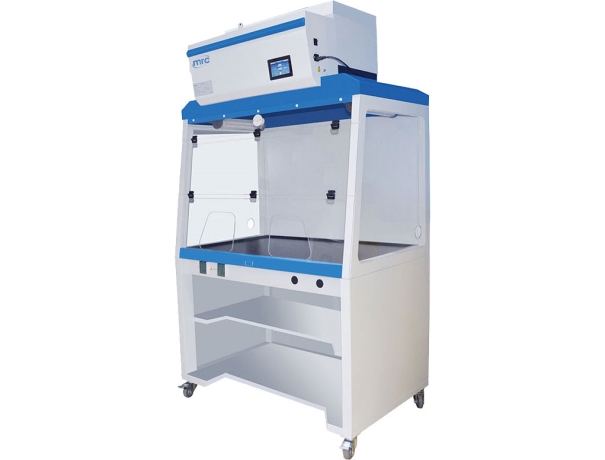
A laboratory fume hood is a ventilation system designed to remove hazardous fumes, vapors, and dust from a laboratory's air space. It is an enclosed workspace that provides a barrier between the worker and the hazardous substances they are working with. The fume hood works by drawing air from the laboratory and expelling it through an exhaust system. The exhaust system ensures that the contaminated air is not recirculated back into the laboratory but instead released into the atmosphere or filtered through a treatment system.
How Does a Laboratory Fume Hood Work?
The laboratory fume hood works based on the principles of air flow. The hood is a box-like structure made of metal, glass, or plastic that has a transparent front sash. The sash is movable and can be raised or lowered depending on the user's needs. When the user is working with hazardous substances, they position the sash at a suitable height that allows them to work comfortably inside the hood.
The fume hood has an exhaust system that is connected to a duct that expels the contaminated air outside the building or through a filter system. The duct system has a fan that draws air from the laboratory and into the fume hood. As the contaminated air enters the hood, it passes through a filter system that removes harmful particles and pollutants. The filtered air is then released back into the laboratory, or it can be released outside the building, depending on the system's design.
Importance of Using a Laboratory Fume Hood
The use of a laboratory fume hood is essential for laboratory safety. It protects the worker from exposure to hazardous substances that can cause serious health problems. It also protects the environment by preventing the release of harmful chemicals into the atmosphere. In addition, using a fume hood can improve the quality of experimental results by reducing the chances of contamination.
Application of Laboratory Fume Hood
A laboratory fume hood is a crucial piece of equipment that is used in laboratories to protect the user and the environment from hazardous substances. Here are some of the applications:
- Chemical Testing and Analysis: Used in chemical testing and analysis. This includes the handling of dangerous chemicals such as acids, solvents, and corrosive substances. The fume hood protects the user from harmful fumes and vapors while handling these substances.
- Biological Research: Used in biological research. This includes working with biological agents, pathogens, and genetically modified organisms. The fume hood provides a safe working environment by preventing the spread of airborne contaminants.
- Pharmaceutical Research: In the pharmaceutical industry, They are used to handle dangerous substances such as drugs, active pharmaceutical ingredients, and other toxic chemicals. The fume hood ensures that the workers are safe while handling these substances.
- Quality Control: Used in quality control to test and analyze various products such as food, cosmetics, and other consumer goods. The fume hood ensures that the testing process is carried out in a safe environment, and the product being tested is not contaminated by harmful substances.
- Industrial Manufacturing: In industrial manufacturing, They are used in the production of various chemicals, plastics, and other products that involve the handling of hazardous substances. The fume hood ensures that the workers are safe while handling these substances, and the environment is protected from harmful pollutants.
Which chemicals are suitable for fume hoods?
Fume hoods are typically used to contain and ventilate hazardous chemicals and substances that may pose a health or safety risk to people working with them. Some of the chemicals that are commonly used include:
-Acids: such as hydrochloric acid, nitric acid, and sulfuric acid
-Bases: such as sodium hydroxide, potassium hydroxide, and ammonia
-Organic solvents: such as acetone, ethanol, methanol, and toluene
-Hazardous gases: such as hydrogen sulfide, chlorine, and carbon monoxide
-Chemicals with strong odors or volatile compounds: such as formaldehyde, acetic acid, and benzene.
It is important to note that the suitability of a chemical for use in a fume hood depends on its specific properties and the type of fume hood being used. It is always recommended to consult the manufacturer's guidelines and relevant safety protocols before using any chemical.
Laboratory Fume Hood for purchase
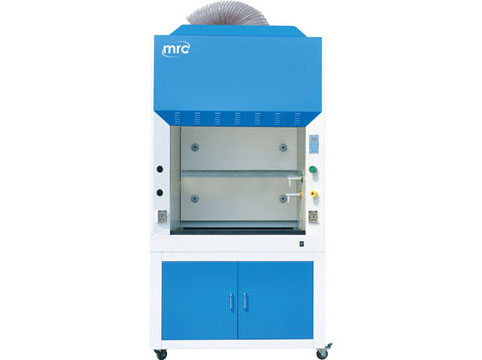
MUNRO is a supplier of laboratory fume hoods that are designed to protect laboratory workers from hazardous fumes, vapors, and particulates that can be generated during laboratory experiments and procedures. Their fume hoods are designed to capture and remove harmful substances before they can escape into the laboratory environment and potentially harm the workers. it is come in a variety of configurations and sizes to meet the needs of different laboratories. They offer both ducted and ductless fume hoods, as well as specialized fume hoods for specific applications, such as radioisotope and perchloric acid fume hoods.