Laminar Flow Cabinets have become an indispensable tool in various industries due to their ability to provide controlled, contaminant-free environments for critical processes. From pharmaceutical research to electronics manufacturing, these cabinets play a pivotal role in ensuring product quality, operator safety, and research integrity. By understanding their applications, benefits, and best practices, professionals can harness the power of Laminar Flow Cabinets to enhance their workspaces and processes.
Types of Laminar Flow Cabinets
Laminar Flow Cabinets come in two primary types: Vertical Laminar Flow Cabinets and Horizontal Laminar Flow Cabinets. These cabinets maintain a clean workspace by directing a continuous stream of filtered air in a specific direction.
Vertical Laminar Flow Cabinets
Vertical Laminar Flow Cabinets provide downward airflow, creating a sterile area for activities requiring a high level of cleanliness. They are commonly used in applications such as microbiology, cell culture, and electronics assembly.
Horizontal Laminar Flow Cabinets
Horizontal Laminar Flow Cabinets offer a horizontal airflow across the work surface. These cabinets are suitable for applications where a sterile environment is necessary but a vertical airflow might disrupt the process, such as working with delicate samples or electronic components.
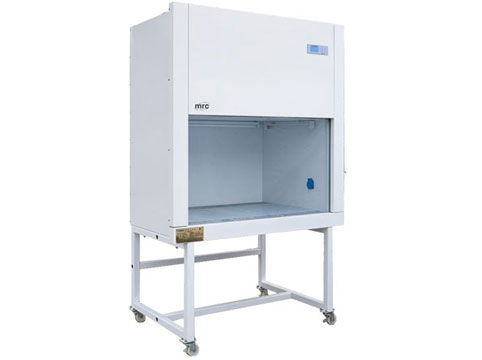
How Laminar Flow Cabinets Work
Laminar Flow Cabinets or Clean Benches work on the principle of HEPA (High-Efficiency Particulate Air) filtration. The air is drawn through a HEPA filter and blown out in a unidirectional, laminar flow, effectively removing particulates and contaminants from the air. This controlled airflow prevents particles from settling on surfaces within the cabinet.
Applications of Laminar Flow Cabinets
Clean Benchs find diverse applications across various industries due to their ability to maintain a controlled environment free from contaminants.
Pharmaceuticals and Medical Laboratories
In pharmaceutical and medical settings, Laminar Flow Cabinets are crucial for tasks like compounding sterile medications and conducting aseptic procedures.
Microbiology Research
Microbiologists use them to culture microorganisms under sterile conditions, minimizing the risk of cross-contamination.
Electronics Manufacturing
Clean Benchs are important in the electronics industry by providing a clean environment for assembling sensitive electronic components, preventing damage and ensuring product reliability.
Optics and Aerospace Industry
Precision is paramount in the optics and aerospace sectors. they help in assembling and testing intricate optical components and sensitive aerospace equipment without the risk of foreign particles affecting performance.
Benefits of Using Laminar Flow Cabinets
The utilization of Clean Benchs offers several benefits that contribute to the quality of work, operator safety, and product integrity.
Contamination Control
Laminar Flow Cabinets provide an isolated environment, minimizing the presence of contaminants and maintaining the integrity of samples and products.
Product Protection
In industries like electronics and pharmaceuticals, Laminar Flow Cabinets protect delicate items from airborne particles, ensuring product quality.
Operator Safety
By containing potentially harmful substances within the cabinet, these cabinets safeguard operators from exposure and reduce health risks.
Installation and Maintenance
Proper installation and maintenance are crucial to ensure the optimal performance.
Proper Location Selection
Choosing an appropriate location, away from sources of vibration and airflow disruption, is vital to maintain the cabinet's efficiency.
Routine Cleaning and Maintenance
Regular cleaning of the cabinet's surfaces and changing of filters is essential to prevent buildup and ensure clean airflow.
Key Differences Between Laminar Flow Cabinets and Biological Safety Cabinets
While both Laminar Flow Cabinets and Biological Safety Cabinets offer controlled environments, they serve distinct purposes.
safety precautions should be taken when working with a laminar flow cabinet
When working with a cabinet, which is a vital tool used to maintain a sterile and controlled environment in laboratory settings, it's crucial to follow strict safety precautions to ensure the integrity of your work and your safety. Here are some key safety measures to take:
- Personal Protective Equipment (PPE): Always wear appropriate PPE, including lab coats, gloves, and safety goggles or face shields. This will help protect you from potential splashes, spills, or airborne particles.
- Proper Training: Ensure that you and anyone working in the Clean Bench are properly trained on its operation and safety protocols. Familiarize yourself with the cabinet's controls and functions before use.
- Sterilization and Disinfection: Thoroughly clean and sterilize the laminar flow cabinet before and after each use. Use approved disinfectants to maintain a sterile environment and prevent cross-contamination.
- Restricted Access: Limit access to the laminar flow cabinet to authorized personnel only. Minimize unnecessary movement and potential disturbances inside the cabinet to maintain the integrity of the controlled environment.
- Aseptic Technique: Practice aseptic technique to minimize the introduction of contaminants. Avoid reaching over the open work area, as this can disrupt the laminar airflow and increase the risk of contamination.
- Items Placement: Place items and materials inside the Clean Benchs in an organized and deliberate manner. Avoid overcrowding the workspace, which could disrupt the laminar airflow and compromise sterility.
- No Open Flames: Do not use open flames, such as Bunsen burners, inside the laminar flow cabinet. The airflow can disturb the flame and potentially spread it, creating a fire hazard.
- Monitor Airflow: Regularly check the airflow indicators on the laminar flow cabinet to ensure that it's functioning properly. If there's any noticeable decrease in airflow, stop work and contact the appropriate personnel for maintenance.
- Minimize Talking and Movement: Limit talking and unnecessary movement within the laminar flow cabinet. Vibrations and air disturbances caused by excessive movement can compromise the sterile environment.
- Avoid Contaminants: Keep potential contaminants, such as personal items, outside the Clean Benchs. Only essential items required for the work should be placed inside the cabinet.
- Regular Maintenance: Perform routine maintenance and certification checks on the laminar flow cabinet as recommended by the manufacturer or institution. This ensures that it continues to operate at optimal performance.
- Emergency Procedures: Be familiar with the emergency shutdown procedures for the laminar flow cabinet in case of unforeseen circumstances, such as power outages or equipment malfunctions.
How does a laminar flow cabinet contribute to aseptic techniques in industries such as pharmaceuticals and microbiology
- Contaminant-Free Airflow: A laminar flow cabinet generates a consistent, unidirectional flow of highly filtered air. This means that air is pushed through a series of HEPA (High-Efficiency Particulate Air) filters, removing particles and microorganisms as small as 0.3 micrometers in size. This filtered air then flows over the work surface in a horizontal or vertical pattern, effectively creating a barrier between the sterile working area inside the cabinet and the potentially contaminated outside environment.
- Protection of Products and Samples: In pharmaceutical and microbiological applications, maintaining a sterile environment is crucial to ensure the safety and effectiveness of products, as well as accurate experimental results. They help protect products, samples, and cultures from airborne contaminants that could compromise their quality or integrity.
- Personnel Safety: This also safeguards personnel from exposure to hazardous substances and materials, especially in pharmaceutical manufacturing where certain compounds might be harmful. The laminar airflow prevents the release of potentially harmful particulates into the operator's breathing zone, enhancing the safety of those working within the cabinet.
- Cell Culture and Microbiological Work: In microbiology, cell culture, and tissue culture applications, maintaining aseptic conditions is paramount. They provide a sterile environment for tasks such as transferring cell lines, preparing media, and handling live cultures. This prevents contamination and cross-contamination, ensuring the validity of research and experimental outcomes.
- Pharmaceutical Production: In pharmaceutical industries, laminar flow cabinets play a pivotal role in processes like compounding sterile medications, preparing intravenous solutions, and filling vials. These tasks require precise control over contamination to ensure that the final products are safe for patient use.
- Clean Sample Handling: When analyzing samples for research, testing, or quality control purposes, it's crucial to minimize the chance of introducing external contaminants. Clean Benchs provide an environment where clean handling of samples is possible, reducing the risk of skewed results due to contamination.
- Packaging and Inspection: Used in the packaging and inspection of products that require aseptic conditions, such as medical devices, surgical instruments, and pharmaceutical packaging materials. Ensuring the sterility of these items is vital to prevent infections or adverse reactions when they are used by healthcare professionals or patients.