Polarimetry is a branch of science that involves the measurement of the rotation of polarized light as it passes through a sample containing chiral (optically active) molecules. Chiral molecules are those that cannot be superimposed onto their mirror images, similar to left and right hands. This property is responsible for their unique interaction with light.
Understanding Optical Activity
Optical activity is the ability of chiral molecules to rotate the plane of polarized light. This phenomenon occurs due to the unequal distribution of atoms around a chiral center. Envision a corkscrew: while it looks the same in shape, it can rotate in either a clockwise or counterclockwise direction. This principle holds true for chiral molecules and polarized light.
The Basics of Polarimeters
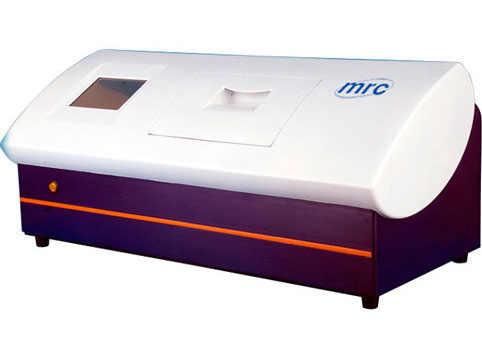
Polarimeters are precision instruments designed to measure the extent of optical rotation produced by chiral substances. They consist of a light source, polarizer, sample tube, and an analyzer. As polarized light passes through the sample, it undergoes rotation, which is then quantified using various methods.
Types of Polarimetry Techniques
Specific Rotation Measurement
Specific rotation (α) is a crucial parameter in polarimetry, representing the extent of rotation caused by a particular substance. It's defined as the angle of rotation produced by one decimeter of solution containing one gram of the optically active substance.
Concentration Determination
Polarimetry can also be employed to determine the concentration of optically active substances in a solution. By correlating the observed rotation with the concentration, scientists can analyze unknown samples.
Applications in Chemistry and Pharmacy
Chiral Molecule Analysis
Polarimetry is essential in identifying and characterizing chiral molecules, which are abundant in the world of chemistry. This is particularly important in drug development, as the interaction between chiral drugs and the body can vary significantly based on their enantiomeric form.
Quality Control in Pharmaceutical Industry
Pharmaceutical companies utilize polarimetry to ensure the quality and purity of their products. Deviations in optical rotation can indicate impurities or incorrect synthesis processes.
Importance in Food Industry
Polarimetry finds applications in the food industry, specifically for determining the sugar content in various products. Sugar molecules exhibit optical activity, and their concentration can be measured .
Insights into Biological Research
Biologists use them to investigate the structure and properties of biomolecules. This technique aids in studying complex structures like DNA and proteins, shedding light on their behavior in different environments.
Polarimetry in Astronomical Studies
Believe it or not, polarimetry isn't limited to Earth; it extends to the cosmos. Astronomers employ polarimeters to analyze the polarization of light from celestial bodies, providing insights into their composition and physical characteristics.
Quantum Mechanics and Polarimetry
polarimeter's connection to quantum mechanics is profound. The behavior of light and its interaction with chiral molecules delve into the quantum nature of matter and energy.
How to Use a Polarimeter?
Using a polarimeter involves carefully preparing the sample, adjusting the instrument, and analyzing the observed rotation. Calibration and correct sample handling are essential for accurate results.
Uses of Polarimeter
- Optical Activity Analysis: One of the primary uses is to determine the optical rotation of chiral (optically active) substances. Chiral molecules can rotate the plane of polarized light as it passes through them. They are essential in fields like chemistry and pharmaceuticals to identify and quantify the concentration of chiral compounds.
- Quality Control in Pharmaceuticals: In the pharmaceutical industry, They are used to assess the purity and concentration of chiral compounds in drug formulations. This helps ensure the quality and effectiveness of pharmaceutical products.
- Sugar Content Determination: Used in the food and beverage industry to measure the sugar content of various products, such as juices, syrups, and honey. The rotation of polarized light can be correlated with the concentration of sugar in the sample.
- Research in Optics and Materials: It allows scientists to study the optical properties of materials, investigate crystal structures, and gain insights into molecular interactions.
- Characterizing Biomolecules: Used to study biomolecules like proteins, nucleic acids, and carbohydrates. These molecules can exhibit optical activity, and studying their polarimetric properties can provide information about their structure and interactions.
- Purity Analysis: They can help identify impurities in substances by detecting changes in optical rotation caused by the presence of other substances. This is useful in industries where high-purity materials are crucial, such as in the semiconductor industry.
- Determining Concentrations of Optically Active Compounds: Used to measure the concentration of optically active compounds in solutions. By establishing a relationship between optical rotation and concentration, researchers can quantitatively analyze samples.
- Study of Crystalline Structures: Polarimetry can provide insights into the arrangement and orientation of crystals. This is particularly valuable in fields like mineralogy and crystallography.
- Education and Research: Used in educational settings to teach students about the properties of light, optical activity, and the principles of polarized light. They are also essential tools in research laboratories where the optical properties of substances are investigated.
- Environmental Analysis: Polarimetry can be employed in environmental studies to determine the presence of optically active compounds in natural samples, such as water bodies and soil.