When it comes to selecting an ultrasonic cleaner, one fundamental choice is between analog and digital models. Each type offers distinct features and functionalities tailored to different needs.
Analog Ultrasonic Cleaners
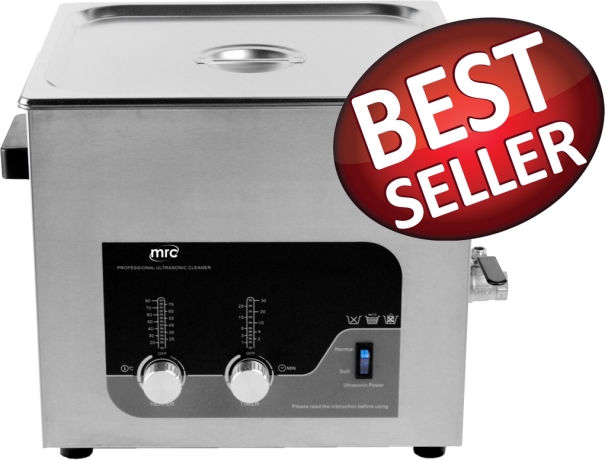
Analog ultrasonic cleaners have been around for decades and operate on simple yet effective principles. They consist of analog circuits that generate ultrasonic waves, typically controlled through knobs or dials. Analog cleaners are renowned for their reliability and robustness.
Definition and Working Principle
Analog ultrasonic cleaners function by converting electrical energy into high-frequency sound waves through transducers. These waves create cavitation bubbles in the cleaning solution, which implode upon contact with the surface, dislodging contaminants.
Advantages and Disadvantages
Analog cleaners are prized for their simplicity and affordability. They require minimal technical expertise to operate and maintain, making them ideal for small-scale applications. However, their lack of precise control limits their suitability for delicate or specialized cleaning tasks.
Digital Ultrasonic Cleaners
Digital ultrasonic cleaners represent a more advanced iteration of ultrasonic technology, integrating digital controls and displays for enhanced precision and user experience.
Definition and How They Operate
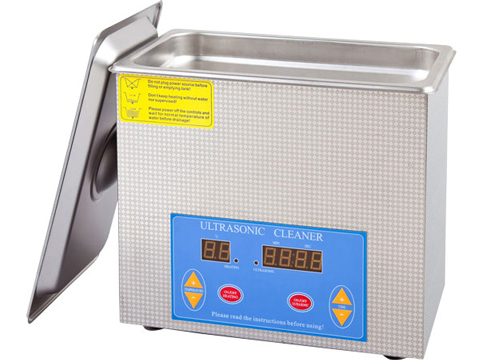
Digital ultrasonic cleaners employ microprocessors to regulate ultrasonic frequencies and cleaning cycles with unparalleled accuracy. They offer features such as programmable settings, temperature control, and automatic shut-off functions.
Benefits and Limitations
Digital cleaners excel in precision and versatility, making them suitable for a wide range of applications, including medical, scientific, and industrial settings. However, their sophisticated electronics may require periodic maintenance and calibration, adding to operational costs.
Key Differences Between Analog and Digital Ultrasonic Cleaners
The disparity between analog and digital ultrasonic cleaners lies primarily in their technology and performance capabilities.
Technology Comparison
Analog cleaners rely on analog circuitry and mechanical controls, whereas digital cleaners leverage microcontrollers and digital interfaces for precise regulation and feedback.
Performance Variations
Digital offer finer control over cleaning parameters, including frequency modulation and power adjustments, resulting in more consistent and efficient cleaning outcomes compared to their analog counterparts.
Factors to Consider When Choosing Between Analog and Digital Ultrasonic Cleaners
Selecting the right ultrasonic cleaner depends on various factors, each carrying its weight in decision-making.
Cost
Analog tend to be more budget-friendly upfront, making them accessible to a broader range of users. Digital models may entail higher initial investments but offer long-term value through improved efficiency and functionality.
Precision and Control
For applications requiring precise cleaning parameters and reproducible results, digital ultrasonic cleaners offer unparalleled control and customization options.
Maintenance Requirements
Analog cleaners are known for their durability and low maintenance needs, making them suitable for environments where simplicity and reliability are paramount. Conversely, digital cleaners may require periodic calibration and servicing to ensure optimal performance and longevity.
Applications of Analog and Digital Ultrasonic Cleaners
The choice between analog and digital ultrasonic cleaners ultimately depends on the specific requirements of the intended application.
Industrial Use Cases
Digital ultrasonic cleaners are favored in industrial settings where precision cleaning of intricate parts and components is essential, such as aerospace, automotive, and electronics manufacturing.
Domestic Applications
Analog ultrasonic cleaners find their place in household settings for cleaning jewelry, eyeglasses, and small electronic devices, offering convenience and effectiveness for everyday tasks.