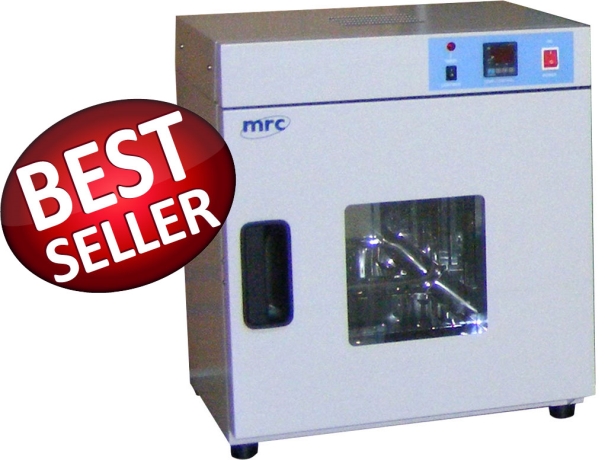
Selecting a laboratory oven is easier and more reliable when the purchasing process begins with a written specification.
Without a clear specification, suppliers may recommend different oven types, chamber sizes and control systems. Their quotations may appear comparable but provide significantly different performance, safety features and levels of support.
A well-prepared specification translates the laboratory process into measurable requirements. It helps suppliers identify appropriate equipment and allows purchasing teams to compare quotations on an equal basis.
This guide explains which information should be included when preparing a laboratory oven purchase specification.
Why Prepare a Laboratory Oven Specification?
A laboratory oven specification creates a shared understanding between the user, purchasing team and equipment supplier.
It should define:
- What will be processed
- Which conditions must be achieved
- How performance will be evaluated
- Which hazards must be controlled
- What documentation is required
- Which services must be included
- How quotations will be compared
The specification should focus on the results the laboratory requires rather than describing a particular model too early in the purchasing process.
Section 1: Describe the Process
Begin with a concise description of the intended process.
A supplier should be able to understand what enters the oven, what happens during the heating cycle and what condition must be achieved at the end.
Include:
- Material or sample type
- Initial condition of the material
- Required final condition
- Normal batch size
- Largest expected batch
- Required operating temperature
- Typical cycle duration
- Number of cycles per day
- Whether the oven will operate unattended
- Required heating and cooling profile
Section 2: Identify Every Material Entering the Oven
List all samples, containers, trays, packaging and accessories that may enter the chamber.
Include:
- Material composition
- Maximum dimensions
- Maximum weight
- Moisture content
- Potential vapours
- Potential decomposition products
- Temperature limits
- Compatibility with airflow
- Compatibility with chamber materials
This information helps determine whether the process requires natural convection, forced air, controlled exhaust, vacuum operation or specialised safety equipment.
Questions to Answer
- Could strong airflow disturb the samples?
- Could the material melt, deform or ignite?
- Will water vapour be released?
- Will solvents or corrosive vapours be released?
- Could combustible dust be created?
- Will containers remain open or closed?
- Are samples sensitive to oxidation?
Section 3: Define the Required Oven Type
The specification should state the required process conditions rather than selecting a technology without justification.
Natural Convection
Natural convection may be appropriate when gentle heating is required or when airflow could disturb powders, lightweight samples or delicate materials.
Forced-Air Convection
Forced-air circulation accelerates heat transfer and air exchange and can support faster drying and more homogeneous temperature distribution.
It may be preferred when:
- Fast recovery is important
- Large batches are processed
- Several shelves are used
- Reproducible heating across the chamber is required
Vacuum Oven
A vacuum oven may be required when drying must occur under reduced pressure, at lower temperatures or with reduced oxygen exposure.
The specification must also define the required vacuum level, compatible pump, traps, connections and exhaust arrangement.
Clean-Room Oven
A clean-room oven may be required when contamination control and filtered airflow are important to the process.
High-Temperature Oven or Furnace
Applications involving ashing, sintering or substantially higher operating temperatures may require specialised high-temperature equipment rather than a standard laboratory drying oven.
Section 4: Define the Required Temperature Performance
Do not specify maximum temperature alone.
The supplier must understand how the oven is expected to perform at the laboratory's routine operating conditions.
Operating Temperature Range
State:
- Lowest required process temperature
- Highest required process temperature
- Most frequently used temperature
- Required continuous operating temperature
- Maximum occasional temperature
A model that can technically reach the required maximum may still be unsuitable for continuous operation at that temperature.
Temperature Uniformity
Temperature uniformity describes the difference between temperatures at different positions inside the chamber.
The specification should state:
- Required uniformity
- Operating temperature at which it must be achieved
- Whether it applies to an empty or loaded chamber
- Required number of measurement positions
- Defined usable working area
Temperature Stability
Temperature stability describes how much the temperature changes over time at a defined measurement position.
State the required stability and the time period over which it should be evaluated.
Display and Sensor Accuracy
Define whether the displayed temperature must be compared with an independent calibrated reference.
The specification should state whether the oven must be supplied with:
- Factory test documentation
- Calibration certificate
- Multi-point calibration
- On-site calibration
- Temperature mapping
- Traceable reference measurements
Calibration intervals should be determined according to use, operating temperature, performance history and the laboratory's quality requirements.
Heating and Recovery Time
Where cycle time matters, state:
- Maximum permitted heat-up time
- Starting temperature
- Required setpoint
- Reference load
- Permitted recovery time after a door opening
Forced mechanical convection can support faster heat-up, shorter recovery and improved uniformity for suitable loads.
Section 5: Specify the Usable Chamber Capacity
Do not select an oven based only on its published litre capacity.
The internal volume may include areas that should not be fully loaded because samples require sufficient space for airflow.
Include:
- Largest sample dimensions
- Normal batch arrangement
- Required number of shelves
- Shelf dimensions
- Maximum shelf load
- Total load weight
- Required spacing around samples
- Required clearance from chamber walls
- Future capacity allowance
Where possible, provide the supplier with a drawing or photograph showing the intended loading arrangement.
Section 6: Define the Required Airflow and Exhaust
The specification should explain what must happen to the air and vapours inside the chamber.
Consider:
- Natural or forced circulation
- Adjustable fan speed
- Required air exchange
- Fresh-air inlet
- Exhaust connection
- Exhaust duct dimensions
- Moisture removal
- Fume treatment
- Room ventilation
Higher air exchange may support drying, but it can also increase energy use and affect chamber temperature recovery.
Section 7: Complete a Process Safety Assessment
Safety requirements must be defined before equipment is selected.
Identify whether the process may produce:
- Flammable vapours
- Combustible dust
- Corrosive gases
- Toxic fumes
- Pressure build-up
- Exothermic reactions
- Hot liquids
- Hazardous decomposition products
Under DSEAR, UK employers must assess and control risks that dangerous substances may create, including fire and explosion risks.
A standard laboratory oven should not be assumed suitable for a process involving flammable solvents or combustible dust.
Safety Features to Consider
Depending on the process, the specification may require:
- Independent over-temperature protection
- Audible and visual alarms
- Automatic shutdown
- Fan-failure alarm
- Door switch
- Exhaust monitoring
- Lockable controls
- Emergency stop
- Remote alarm output
- Equipment suitable for the assessed hazardous environment
Electrical equipment must be suitable for the work and the way it will be used.
Section 8: Define Controls and Programme Requirements
A simple oven may only require a fixed temperature and timer.
More complex processes may require:
- Ramp and dwell programmes
- Multiple temperature stages
- Delayed start
- Automatic shutdown
- Stored methods
- User permissions
- Password protection
- Alarm history
- Remote control
- Data export
- Network connection
Define the actual workflow so suppliers do not include unnecessary features or omit essential ones.
Section 9: Specify Monitoring and Documentation
Different laboratories require different levels of documentation.
Determine whether the oven must record:
- Set temperature
- Actual chamber temperature
- Programme stage
- Time and date
- Alarm events
- Door openings
- User changes
- Independent probe readings
State the required data format and retention period.
Possible requirements include:
- USB export
- CSV files
- Printable reports
- Network access
- Connection to a laboratory information system
- Remote alarm notification
Section 10: Define Installation Requirements
Include all information that may affect installation:
- Available floor or bench space
- Maximum external dimensions
- Doorway and corridor dimensions
- Maximum equipment weight
- Electrical supply
- Plug or hard-wiring requirements
- Ventilation clearance
- Exhaust connection
- Ambient laboratory temperature
- Heat released into the room
- Access for servicing
- Required delivery date
Larger ovens may require dedicated electrical supplies, reinforced floors, extraction systems or specialist delivery arrangements.
Section 11: Define Service and Support Requirements
The purchase specification should state which services must be included in the quotation.
Possible requirements include:
- Delivery
- Positioning
- Installation
- Commissioning
- Operator training
- Calibration
- Temperature mapping
- Qualification documentation
- Preventive maintenance
- Extended warranty
- Remote support
- On-site repair
- Spare-part availability
Ask suppliers to state expected support response times and the anticipated availability period for replacement parts.
Section 12: Compare Total Cost of Ownership
The purchase price is only one part of the total cost.
A comparison should include:
- Equipment price
- Delivery and installation
- Required accessories
- Extraction or ventilation work
- Electrical modifications
- Calibration and mapping
- Energy consumption
- Routine maintenance
- Replacement parts
- Consumables
- Software licences
- Expected equipment life
- Cost of downtime
A lower-cost oven may become more expensive if it requires additional installation work, consumes more energy or lacks local service support.