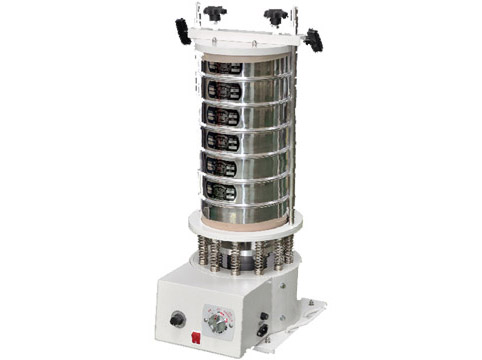
It's a machine used to automate the process of particle size analysis by mechanically shaking a stack of sieves, allowing materials to separate based on size. Most sieve shakers include a sieve stack (a series of sieves arranged from largest to smallest mesh), a clamping system, and a base that generates the shaking motion. Some are compact and quiet, while others look like they belong in a steel factory.
How Does a Sieve Shaker Work?
Principles of Mechanical Separation
The core concept is simple: gravity and motion. As the shaker vibrates or oscillates, particles are forced through progressively finer meshes. Each layer captures a different size range, helping you analyze the size distribution of your sample.
Types of Motion Used
- Vibratory: Fast and ideal for fine particles.
- Rotational: Often used in food or pharma industries.
- Tapping or hammering: Mimics manual shaking for coarse materials.
Applications of Sieve Shakers in Industry
- Construction and Civil Engineering
- Used to ensure that sand, gravel, and aggregates meet required gradation specs for concrete and asphalt.
- Pharmaceuticals and Chemical Industries
- Guarantees consistent powder sizes for capsules and tablets. Even the slightest deviation can impact performance.
- Food Processing
- Perfect for flour, sugar, spices, and cocoa. Ensures uniform texture and prevents contamination.
- Agriculture and Soil Testing
- Farmers and researchers test soil texture to determine fertility and irrigation needs.
- Mining and Geology
- Used for separating valuable minerals from surrounding rock or identifying grain sizes of ore samples.
Step-by-Step Guide: How to Use a Sieve Shaker
Sample Preparation
Dry your sample thoroughly if needed. Make sure it's representative of the whole batch.
Assembling the Sieve Stack
Start with the coarsest sieve on top and stack finer ones beneath. Clamp them securely.
Running the Shaker
Set the timer, speed, and amplitude based on your material. Most runs last 5–15 minutes.
Analyzing the Results
Weigh material retained on each sieve. Plot the data or input it into software for grading analysis.
Key Benefits of Using a Sieve Shaker
Consistency and Accuracy
Removes human error from the equation. Every sample gets the same treatment.
Time-Saving
What used to take hours now takes minutes—and you can run multiple tests back to back.
Scalability and Repeatability
From R&D to full-scale production, the same results are achievable every time.
Maintenance and Cleaning Tips
Routine Cleaning Procedures
Use a brush or compressed air. Never bang sieves against hard surfaces—it ruins the mesh.
Lubrication and Inspection
Check moving parts monthly. Listen for strange noises or irregular movement.
Proper Storage Practices
Keep the sieve Shaker in dry cabinets. Moisture and dust are the enemies.
Choosing the Right Sieve Shaker
Matching Device to Material Type
Don’t use a delicate electromagnetic shaker on gravel. Match the shaker to the challenge.
Frequency and Amplitude Considerations
Finer particles need faster vibrations, while coarse material requires more aggressive motion.
Budget and Brand Reliability
Go for trusted names like Retsch, Endecotts, or W.S. Tyler for long-term investment.
Safety Tips When Operating a Sieve Shaker
Personal Protective Equipment (PPE)
Gloves, goggles, and sometimes earplugs—depending on the machine.
Electrical Safety
Always check for frayed cords and never operate with wet hands.
Noise Considerations
Some mechanical models are loud. If you’re in a small lab, consider soundproof cabinets or ear protection.