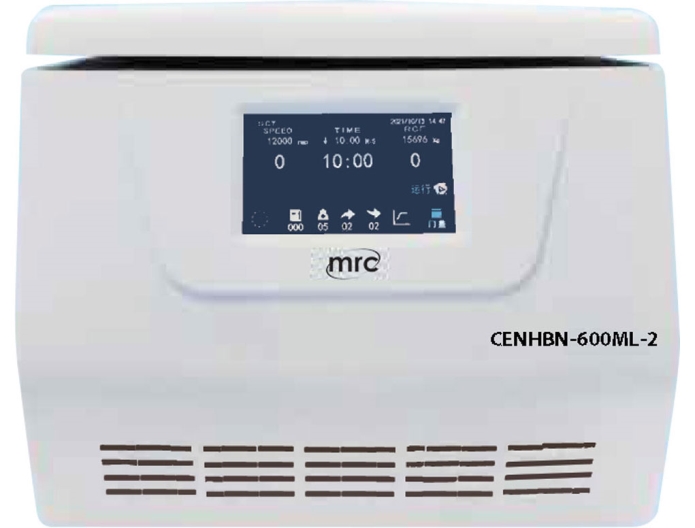
At its core, a centrifuge separates particles based on density using centrifugal force. You spin stuff fast, and the heavier elements get flung to the bottom of the tube. Simple science. Life-saving results.
Common Applications in Labs
Whether you're isolating DNA, separating blood components, or prepping samples for analysis, centrifugation is the go-to move in the lab dance.
Main Types of Centrifuges
Microcentrifuge
These pocket rockets are designed for small volumes—think 0.2 to 2 mL tubes. Perfect for molecular biology workflows.
Best For: DNA, RNA, protein work, PCR prep.
Refrigerated Centrifuge
Need to keep your samples chill while spinning? These come with cooling systems to maintain sample integrity.
Ideal For: Blood, enzymes, and other temperature-sensitive materials.
High-Speed Centrifuge
Speed demons of the lab world. They offer high RPMs and can handle larger volumes.
Use Case: Cellular and subcellular fractionation.
Ultracentrifuge
These are the big dogs—capable of 100,000+ RPMs. Use them when you need to separate things like viruses or ribosomes.
Analytical vs. Preparative: One's for studying particles, the other for collecting them.
Benchtop Centrifuge
Compact, versatile, and user-friendly. These are the Swiss army knives of centrifuges.
Great For: Labs tight on space but heavy on workflow.
Choosing Based on Application
Clinical Labs
Look for models with fixed-angle rotors for quick bloodwork analysis.
Research Labs
Go modular—flexibility is king. You might need both fixed-angle and swing-bucket options.
Industrial & Pharma
Focus on throughput, speed, and data logging. Reliability matters when processing high volumes.
Environmental Testing
Durability and contamination resistance come first. You’ll be spinning everything from wastewater to soil extracts.
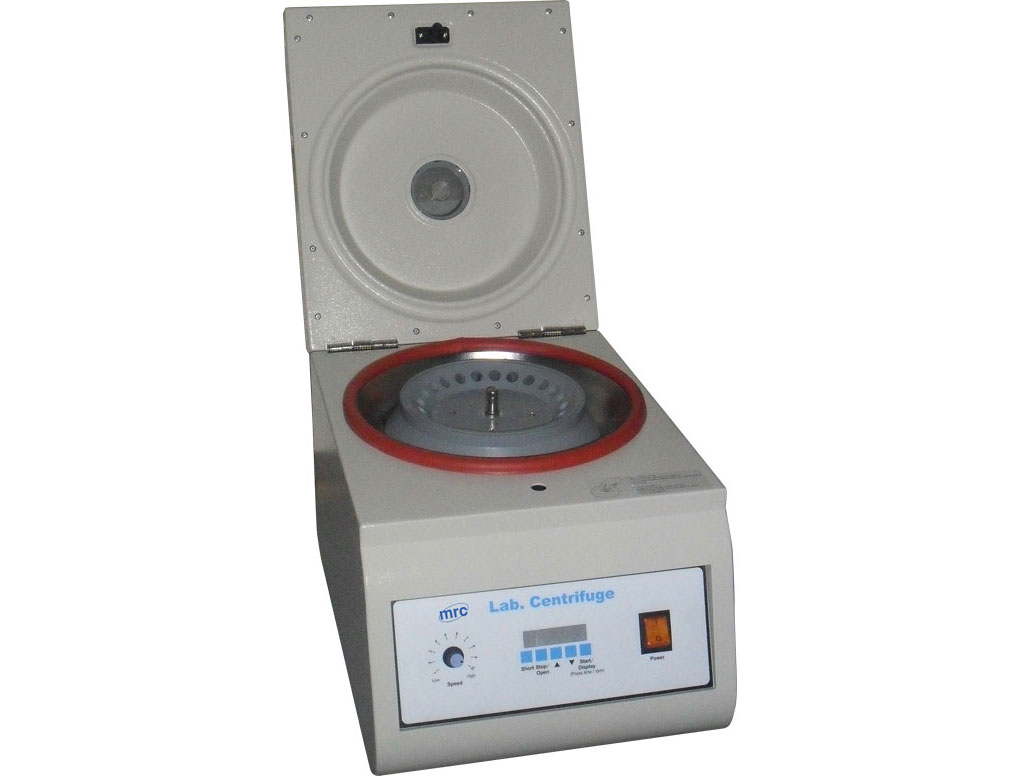
���� Key Selection Criteria
Sample Volume & Tube Compatibility
Bigger samples? Bigger rotors. Simple math. Always check tube compatibility too.
Required G-Force and RPM
G-force (RCF) trumps RPM when it comes to effectiveness. Match the specs to your protocol.
Temperature Control
If your sample hates heat, go refrigerated. Otherwise, ambient is usually fine.
Rotor Type: Fixed-Angle vs. Swing-Bucket
- Fixed-Angle = Speed + shorter run time.
- Swing-Bucket = Horizontal separation + better resolution.
Safety Features
Auto-lid lock, imbalance detection, and emergency brakes = non-negotiable.