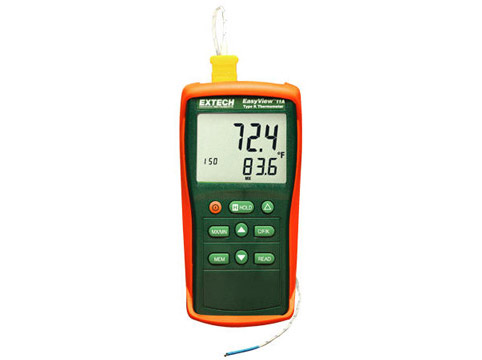
A laboratory thermometer is a device used to measure temperatures with high precision in scientific, industrial, or educational environments. Unlike your average fever thermometer, these are engineered for accuracy, range, and reliability.
Key features usually include:
- Wide temperature range
- High sensitivity
- Resistant materials (like borosilicate glass or stainless steel)
- Easy-to-read scales or digital displays
Categories of Laboratory Thermometers
There’s no one-size-fits-all here. Laboratory thermometers come in various styles, each designed for specific applications.
Liquid-in-Glass Thermometers
Old-school but still effective, these rely on the expansion of a liquid (usually mercury or alcohol) to measure temperature.
- Mercury Thermometers: Once the gold standard, mercury expands with heat. Precise but hazardous—many labs are phasing these out due to toxicity.
- Alcohol Thermometers: Safer alternative to mercury. The dyed alcohol is easier to see and works better in lower temps (down to -70°C).
Digital Thermometers
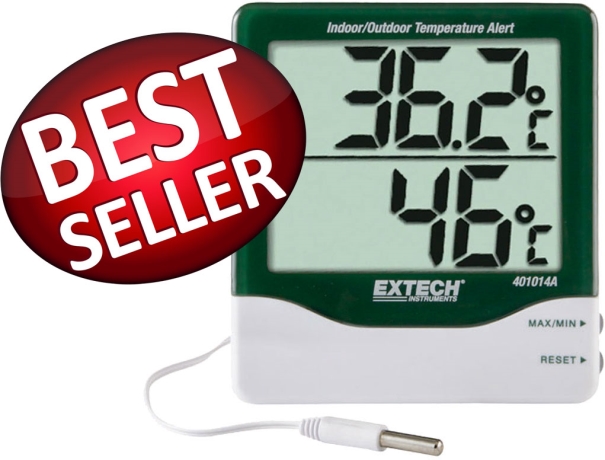
These are the modern go-to in most labs. A built-in sensor converts temperature into a digital value.
- Accurate to within 0.1°C
- Easy-to-read displays
- Often include data logging and alerts
Infrared Thermometers
Need to measure something without touching it? Enter infrared thermometers.
They detect heat radiation from an object and calculate the surface temperature in milliseconds.
- Ideal for sterile or dangerous environments
- Used in pharmaceutical labs and cleanrooms
Bimetallic Strip Thermometers
These rely on two metals expanding at different rates to bend a strip and indicate temperature. Simple mechanics—no wires, no sensors.
Resistance Temperature Detectors (RTDs)
RTDs are based on the principle that electrical resistance changes with temperature. They’re made from platinum and offer top-tier accuracy.
- Often used in biotech, pharmaceuticals, and food safety labs
- Great for long-term, stable measurements
Thermocouples
Thermocouples generate a voltage based on temperature difference between two different metals. They’re tough and work in high temps.
- Widely used in research, metallurgy, and gas chromatography
- Suitable for harsh conditions
Comparison Table of Laboratory Thermometers
| Type | Temp Range | Accuracy | Best For |
| Mercury Thermometer | -39°C to 357°C | ±0.1°C | Chemistry, general lab use |
| Alcohol Thermometer | -70°C to 78°C | ±1°C | Cold storage, freezers |
| Digital Thermometer | -50°C to 300°C | ±0.1°C | Clinical, food, research labs |
| Infrared Thermometer | -50°C to 1000°C | ±0.5°C | Sterile surfaces, quick checks |
| RTD | -200°C to 600°C | ±0.01°C | Pharmaceuticals, biotech labs |
| Thermocouple | -200°C to 1800°C | ±0.5°C | Industrial and high-heat labs |
How to Choose the Right Thermometer
Choosing a lab thermometer is like choosing a tool for surgery—precision and compatibility matter.
Ask yourself:
- What temperature range do I need?
- Will the thermometer come into contact with substances?
- How fast do I need results?
- Do I need data logging?
For example, a digital thermometer with USB data export is ideal for documentation, while an infrared model is perfect for spot checks.
Calibration and Maintenance
Even the best thermometer loses accuracy over time. Regular calibration is a must—usually done against a known reference point (like a certified RTD).
Tips:
- Calibrate every 6–12 months
- Store in a clean, dry place
- Avoid sudden temperature shifts
Safety Considerations
- Mercury is toxic—handle only in fume hoods or avoid altogether
- Use gloves with broken glass or heated probes
- Digital units should be insulated and certified for lab use
Common Laboratory Applications
- Chemistry Labs: Measuring reactions, boiling/freezing points
- Microbiology Labs: Incubators, sterilizers
- Environmental Labs: Soil, air, and water monitoring
- Pharmaceutical Labs: Drug synthesis, stability testing
Emerging Technologies in Lab Thermometers
The future is here, and it’s smart.
New thermometers connect to apps, sync data with cloud systems, and even trigger alerts when temperatures fall out of range.
- Bluetooth-enabled sensors
- IoT-based temperature control
- AI-based predictive maintenance
Environmental Impact and Alternatives
Mercury’s days are numbered. Many countries are banning its use in labs.
Eco-friendly alternatives include:
- Alcohol-based thermometers
- Digital probes with recyclable components
- RTDs using platinum, a sustainable material