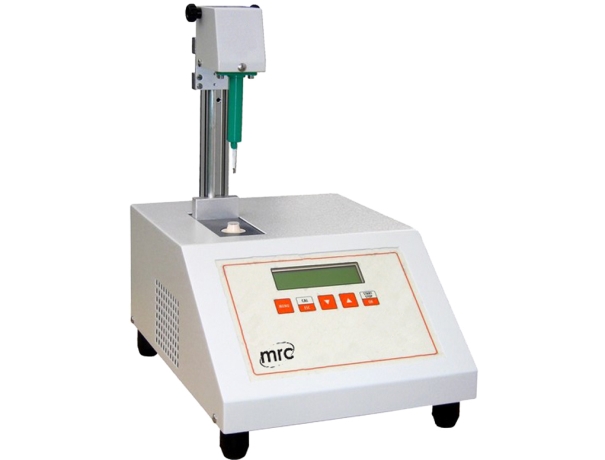
An osmometer is a device used to measure the osmotic pressure of a solution, which correlates to the concentration of solute particles. Osmotic pressure is a fundamental property that can provide valuable information about the composition and behavior of solutions.
Principles of Osmometry
Osmotic Pressure Concept
Osmotic pressure is the pressure required to stop the flow of solvent molecules through a semipermeable membrane from a region of lower solute concentration to a region of higher solute concentration. It's a colligative property, meaning it depends on the number of solute particles rather than their identity.
How Osmometers Measure Osmotic Pressure
Osmometers measure osmotic pressure by analyzing changes in physical properties such as vapor pressure, freezing point, or the pressure exerted on a membrane. Each type of osmometer utilizes a different method, but they all provide valuable data about the solution's solute concentration.
Components
Main Parts and Their Functions
Osmometers typically consist of a sample holder, measurement chamber, temperature control system, and a detection unit. Each part plays a crucial role in ensuring accurate measurements.
Advanced Features in Modern Osmometers
Modern osmometers may include digital displays, automated sample handling, and advanced calibration features, making them more user-friendly and enhancing measurement precision.
How to Use an Osmometer
Step-by-Step Guide
- Prepare the Sample: Ensure the sample is free from contaminants.
- Set Up the Osmometer: Calibrate the device according to the manufacturer's instructions.
- Load the Sample: Place the sample in the measurement chamber.
- Initiate the Measurement: Start the measurement process as per the device's protocol.
- Record the Results: Document the readings and interpret them accordingly.
Applications
Clinical Laboratories
Osmometer devices are widely used in clinical labs to measure the osmolality of bodily fluids such as blood, urine, and plasma. This helps in diagnosing and monitoring various medical conditions, including electrolyte imbalances and kidney function.
Research Laboratories
In research settings, osmometers are crucial for studying the properties of solutions, understanding solute-solvent interactions, and developing new materials.
Industrial Applications
Industries utilize osmometers for quality control in processes involving solutions, such as pharmaceuticals, food and beverage production, and chemical manufacturing.
Advantages of Using Osmometers
Precision and Accuracy
Osmometers provide highly precise and accurate measurements, essential for reliable data in both research and clinical diagnostics.
Efficiency in Laboratory Work
These devices streamline laboratory workflows by offering quick and reproducible measurements, saving time and resources.
Modern laboratories rely on advanced laboratory osmometers to obtain fast and accurate osmolality measurements across clinical and research applications.
When selecting an osmometer, consider the type of samples you'll be analyzing, the required precision, ease of use, and budget constraints. Each type of osmometer has its strengths and ideal applications.