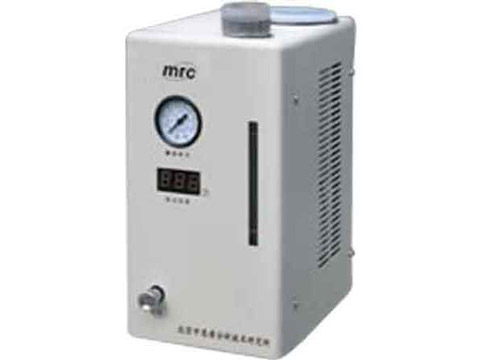
Using a gas generator (such as for nitrogen, hydrogen, or air) in a laboratory setting instead of relying on traditional gas cylinders offers several significant advantages. The choice between using a gas generator or gas cylinders depends on various factors, including cost, convenience, safety, and the specific requirements of the laboratory.
Here are the key reasons why a laboratory might prefer a gas generator over traditional gas cylinders:
Cost Savings (Long-term)
- Lower Operational Costs: Although the initial investment in a gas generator may be higher, over time, it can be more economical than repeatedly purchasing and replacing gas cylinders. Laboratory Gas generators produce gas on-site, so you avoid the recurring costs of cylinder refills or replacements, which can add up significantly over time.
- No Delivery Fees: With gas cylinders, you often have to pay for delivery, rental fees, and regulatory compliance. A gas generator eliminates these costs, as it produces the gas when and where you need it.
Convenience and Continuous Supply
- Uninterrupted Gas Supply: Gas generators provide a continuous supply of gas without the risk of running out of gas, as can happen with cylinders. This is particularly important in laboratories where a steady supply of gas is required for experiments, instrumentation, or processes.
- On-Demand Production: Gas generators produce gas as needed, which eliminates the need to store large quantities of gas in cylinders. This on-demand feature ensures that you always have the required amount of gas, without worrying about running low or managing inventory.
- No Need for Cylinder Exchange: With gas cylinders, you need to arrange for timely exchanges, which can sometimes lead to downtime. They provide an autonomous solution, reducing the time and effort needed for cylinder management.
Space Saving
- No Need for Storage: Gas cylinders require storage space and must be securely stored according to safety regulations. Gas generators eliminate this need, freeing up valuable space in the lab. This is especially beneficial in labs with limited space or those that require multiple gases.
- Reduced Gas Cylinder Inventory: Managing a cylinder inventory can take up valuable space in the lab, especially if you need several types of gases (e.g., nitrogen, hydrogen, oxygen). A gas generator can replace the need for multiple cylinders, simplifying storage and logistics.
Safety Considerations
- Reduced Risk of Accidents: Gas cylinders, especially large ones, can pose safety risks if they are not handled properly. They can be hazardous in the event of leaks, ruptures, or accidents during transport and storage. Gas generators, on the other hand, generate gas on-site and often operate at lower pressures, reducing the risk of accidents.
- Less Handling of High-Pressure Cylinders: Gas cylinders are typically stored under high pressure, which can be dangerous if mishandled. A gas generator eliminates the need to handle large, heavy cylinders, reducing the chance of accidents.
- Compliance with Safety Regulations: Gas cylinders require proper storage and adherence to strict safety regulations. A gas generator reduces the need for compliance management related to cylinder storage, handling, and transportation.
Environmental Impact
- Reduced Carbon Footprint: Using a gas generator can be more environmentally friendly than using gas cylinders, as it eliminates the need for transporting and disposing of heavy, non-reusable metal cylinders. Gas generators produce gas on-site, reducing the need for transportation emissions and the consumption of resources required to manufacture and dispose of cylinders.
- Less Waste: Gas cylinders need to be replaced periodically, which contributes to metal waste and requires recycling or disposal. Gas generators, on the other hand, are typically used for many years with minimal waste.
Precision and Purity Control
- Customized Gas Purity: Gas generators allow for better control over the purity of the gas being produced. Laboratory-grade gas generators can produce very high-purity gases (e.g., nitrogen with 99.999% purity), which is crucial for applications like chromatography, spectroscopy, or sensitive experiments. This level of precision may not always be guaranteed with commercial gas cylinders, where the purity may vary or degrade over time.
- Consistent Gas Quality: With them, you are in control of the production process, ensuring a consistent and high-quality supply of gas. This is especially important for labs that require highly consistent gas quality for reproducible results.
Flexibility and Customization
- Multiple Gas Types: Some gas generators can produce multiple gases (such as nitrogen, hydrogen, or air) or can be customized to meet specific needs. This is more flexible than relying on multiple cylinders, each containing a different gas.
- Adjustable Flow Rates and Pressures: Gas generators allow precise control over the flow rates and pressures of the gases produced, which is important for applications that require specific conditions.
Laboratory Automation
- Integration with Laboratory Systems: They can be integrated into automated laboratory systems, ensuring that gas supply is automatically adjusted based on the laboratory’s needs. This integration can help streamline workflows and reduce human intervention in managing gas supply.
- Remote Monitoring and Control: Many modern machines have remote monitoring capabilities, allowing laboratory personnel to monitor gas production, pressure, and purity levels from a distance. This adds convenience and can help identify potential issues before they affect operations.
Reduced Downtime
- No Need for Gas Cylinder Refills: With cylinders, you have to schedule regular exchanges or refills, which may lead to downtime if you run out of gas unexpectedly. Gas generators, however, provide a constant and reliable supply of gas, reducing the risk of disruptions in laboratory activities.
Regulatory Compliance
- Simplified Compliance: Managing the storage and handling of gas cylinders can involve strict regulatory requirements, including safety inspections, documentation, and certifications. Gas generators simplify this process by reducing the number of cylinders on-site and minimizing the need for strict regulatory oversight regarding cylinder management.