Accurate temperature measurement is a cornerstone of scientific experiments and industrial processes. Whether you're conducting groundbreaking research or performing routine checks in a medical lab, the right thermometer can make all the difference. Laboratory thermometers are specifically designed to provide precise and reliable readings, ensuring that your work is both accurate and reproducible.
features
Precision and Accuracy
One of the most crucial features of laboratory thermometers is their precision. Accurate temperature measurements are vital for experiments and processes that require strict temperature control.
Range of Measurement
Laboratory thermometers come with various measurement ranges to suit different applications. Whether you need to measure extremely low or high temperatures, there is a thermometer designed to meet your needs.
Response Time
The response time of a thermometer is the time it takes to reach the actual temperature of the substance being measured. Faster response times are essential for dynamic experiments where temperature changes rapidly.
Durability and Material
They are built to withstand harsh conditions. They are made from materials like glass, stainless steel, and robust plastics to ensure longevity and resistance to chemicals.
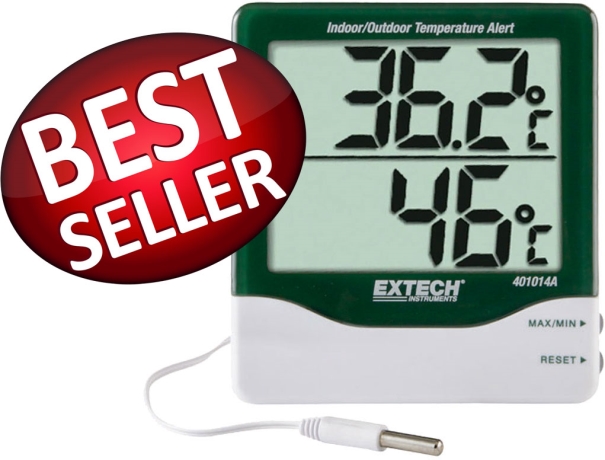
Advantages
Ensuring Accurate Temperature Measurements
Accurate temperature measurements are crucial in many scientific experiments. Laboratory thermometers provide precise readings essential for reliable results. They are designed to meet stringent accuracy standards, ensuring your data is trustworthy.
Enhancing Experiment Reliability
Using high-quality laboratory thermometers enhances the reliability of your experiments. Inconsistent temperature readings can lead to flawed data, affecting the outcome of your research. Investing in a reliable thermometer minimizes these risks.
Versatility in Applications
They are used in various fields such as chemistry, biology, and physics. Their adaptability makes them indispensable in any scientific setting, ensuring you have the right tool for multiple applications.
Durability and Longevity
Made from durable materials, they can withstand harsh laboratory conditions. This longevity means fewer replacements, saving you money in the long run.
Compliance with Safety Standards
Safety is paramount in laboratory settings. Laboratory thermometers comply with strict safety standards, reducing the risk of accidents. Their design includes features that prevent breakage and leakage, ensuring a safe working environment.
Cost-Effective Investment
While the initial cost might seem high, laboratory thermometers are a cost-effective investment. Their accuracy and durability reduce the need for frequent replacements, ultimately saving you money. Reliable data also means fewer wasted resources.
Supporting Advanced Research
Advanced research often requires precise temperature control. Laboratory thermometers support this need by providing accurate measurements necessary for complex experiments. They enable researchers to explore new frontiers in science.
Facilitating Regulatory Compliance
Many scientific processes require adherence to regulatory standards. they help you meet these requirements by providing accurate and reliable temperature readings. This compliance is crucial for publishing results and gaining approvals.
Improving Data Quality
High-quality data is the backbone of scientific research. Laboratory thermometers improve data quality by providing precise temperature measurements. This accuracy is essential for reproducibility and validity in research findings.
User-Friendly Features
Modern come with user-friendly features. Digital displays, easy calibration, and ergonomic designs make them convenient to use. These features enhance the overall efficiency of your laboratory work.
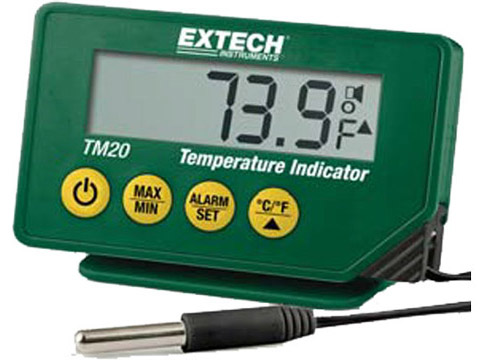
Applications of Laboratory Thermometers
Scientific Research
In scientific research, precise temperature control is essential for reproducibility and accuracy. they are used to monitor and control temperatures in various experiments, ensuring consistent results.
Medical Laboratories
In medical laboratories, thermometers are used to monitor the temperature of samples, reagents, and equipment. Accurate temperature measurements are crucial for the reliability of diagnostic tests.
Industrial Applications
Laboratory thermometers are important industrial processes where temperature control is critical. They are used in manufacturing, food processing, and chemical production to ensure product quality and safety.
Educational Purposes
In educational settings, they are used to teach students about temperature measurement and its importance in scientific experiments. They provide hands-on experience and help students understand the principles of thermodynamics.