A digital refractometer measures the refractive index of a substance, which helps determine its composition and purity.
How Refractometers Work
Refractometers work on the principle of refraction. When light passes through a substance, it bends. The extent of this bending can tell us a lot about the substance's properties, such as its concentration and purity. A digital refractometer uses this principle but enhances it with digital technology, providing more accurate and easily readable results.
Digital vs. Analog Refractometers
While both digital and analog refractometers serve the same purpose, digital refractometers offer superior accuracy and ease of use. Analog refractometers require manual reading and interpretation, which can lead to errors. Digital refractometers, on the other hand, display results on a screen, reducing the likelihood of human error.
Components
Sensor
The sensor is the heart of a digital refractometer. It detects the amount of light that is refracted through the substance being measured. The accuracy of the sensor directly impacts the accuracy of the readings.
Display Unit
The display unit shows the results in an easy-to-read format. Modern often comes with backlit displays and options to store and transfer data.
Types of Digital Refractometers
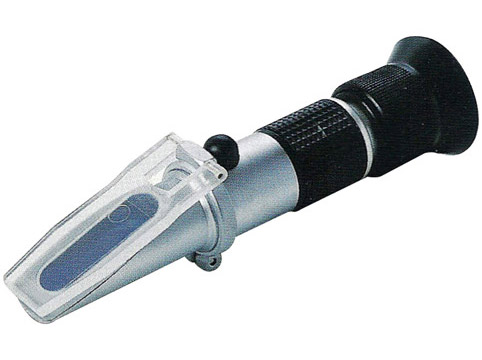
Handheld Digital Refractometers
Handheld Digital refractometers are portable and convenient for fieldwork. They are widely used in agriculture, food and beverage testing, and other applications where on-site measurements are required.
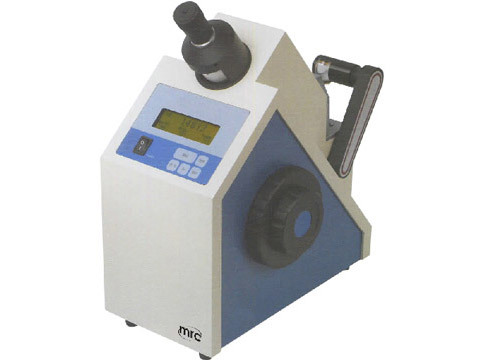
Benchtop Digital Refractometers
They are larger and often more accurate than their handheld counterparts. They are commonly used in laboratories and industrial settings where precision is crucial.
Applications
Food and Beverage Industry
Measuring Sugar Content in Beverages
One of the most common uses in the food and beverage industry is measuring the sugar content in beverages. This helps ensure consistency and quality in products like juices, wines, and soft drinks.
Ensuring Quality in Food Production
In food production, maintaining the right concentration of various ingredients is vital. They help in monitoring and adjusting these concentrations, ensuring the final product meets quality standards.
Clinical Applications
Urine Specific Gravity
In the clinical setting, They are used to measure urine specific gravity. This helps in diagnosing and monitoring various medical conditions.
Serum Protein Measurements
They are also used to measure serum protein levels, providing valuable information for diagnosing and managing diseases.
Industrial Applications
Monitoring Lubricant Oils
In industrial settings, They are used to monitor the quality of lubricant oils, ensuring machinery operates smoothly and efficiently.
Quality Control in Manufacturing
Manufacturing processes often require precise control of various substances. They help in maintaining the quality of these substances, leading to better product outcomes.
Advantages
Accuracy and Precision
Digital refractometers provide highly accurate and precise measurements, which are essential in industries where even a slight deviation can have significant consequences.
Ease of Use
With digital displays and simple operation, digital refractometers are user-friendly, requiring minimal training to use effectively.
Versatility
Digital refractometers can measure a wide range of substances, making them versatile tools for various applications.
How to Use a Digital Refractometer
Preparation and Calibration
Before using a digital refractometer, it is important to calibrate it using a standard solution. This ensures the accuracy of the measurements.
Taking a Measurement
Place a small sample of the substance on the sensor and close the lid. The refractometer will measure the refractive index and display the result on the screen.
Interpreting Results
The results displayed by the digital refractometer can be interpreted using standard charts or software provided by the manufacturer.
Maintenance and Care
Cleaning the Sensor
Regular cleaning of the sensor is crucial to maintain the accuracy of the digital refractometer. Use a soft cloth and mild cleaning solution to clean the sensor after each use.
Regular Calibration
Regular calibration ensures that the digital refractometer provides accurate measurements. Follow the manufacturer's guidelines for calibration frequency and procedures.
Storage Tips
Store the digital refractometer in a dry, dust-free environment to protect it from damage and ensure its longevity.
What to consider when purchasing a Digital Refractometer
When choosing a digital refractometer, consider factors such as accuracy, range, ease of use, and the specific applications it will be used for.