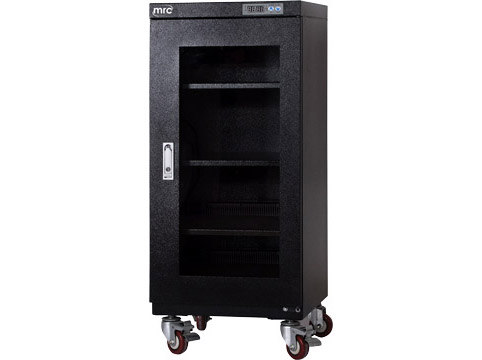
Dry cabinets are essential for storing sensitive electronic components, particularly in environments where humidity can cause significant damage. These cabinets maintain a controlled environment with low humidity levels, preventing moisture-related issues such as corrosion, oxidation, and electrical short.
Dry cabinets, also known as desiccant cabinets, are storage solutions designed to maintain a controlled, low-humidity environment. They are specifically engineered to protect sensitive electronic components from the damaging effects of moisture.
Features
These cabinets typically feature airtight seals, humidity control systems, and desiccants that absorb moisture. They come in various sizes and configurations to cater to different storage needs.
Why Use Dry Cabinets?
Moisture is the enemy of electronic components. Even a small amount can cause significant damage over time, leading to failures and reduced reliability.
Dry cabinets prevent corrosion and oxidation, which can degrade the performance of electronic components. This is especially important for components that are not immediately used after manufacturing.
By maintaining an optimal environment, dry cabinets help extend the lifespan of sensitive electronic components, ensuring they function correctly when needed.
How Dry Cabinets Work
Desiccant Technology
Dry cabinets use Desiccants—materials that absorb moisture from the air. Common desiccants include silica gel and molecular sieves, which are highly effective at maintaining low humidity levels.
Humidity Control Systems
Modern Dry Cabinets are equipped with electronic humidity control systems that monitor and adjust the internal environment. This ensures consistent protection against moisture.
Benefits of Dry Cabinets
Enhanced Reliability of Electronic Components
By storing components in a controlled environment, dry cabinets significantly enhance their reliability. This is crucial for applications where failure is not an option.
Cost Savings
Investing in dry cabinets can lead to substantial cost savings by reducing the need for replacements and repairs due to moisture damage.
Easy Maintenance
Dry cabinets are relatively low-maintenance. Regular checks and occasional desiccant replacement are typically all that’s required to keep them functioning optimally.
Choosing the Right Dry Cabinet
Size Considerations
When selecting a dry cabinet, it’s essential to consider the size of the components and the quantity you need to store. Cabinets come in various sizes, from compact units to large storage solutions.
Humidity Control Precision
The precision of humidity control is a critical factor. Some applications require very tight humidity ranges, and advanced dry cabinets can provide this level of control.
Security Features
For environments where security is a concern, some dry cabinets come with lockable doors and tamper-proof features to protect valuable components.
Setting Up a Dry Cabinet
Ideal Location
Place your dry cabinet in a location that is easily accessible but away from direct sunlight and extreme temperatures. This helps maintain a stable internal environment.
Initial Setup Steps
Setting up a dry cabinet involves positioning it correctly, loading it with components, and setting the desired humidity level. Ensure that the cabinet is properly sealed to prevent external air from entering.
Maintenance Tips for Dry Cabinets
Regular Checks
Perform regular checks to ensure the humidity levels are within the desired range. This can be done using built-in digital displays or external hygrometers.
Cleaning and Upkeep
Keep the interior of the cabinet clean and dust-free. Periodically replace the desiccant to maintain its effectiveness.
What is the humidity percentage for the use of Dry Cabinets for Storing Sensitive Electronic Components
Dry cabinets are essential for storing sensitive electronic components to prevent moisture-related damage. The recommended humidity percentage for storing these components typically ranges between 1% and 10% relative humidity (RH). This low-humidity environment helps prevent issues such as oxidation, corrosion, and other forms of moisture damage that can compromise the integrity and functionality of electronic components.