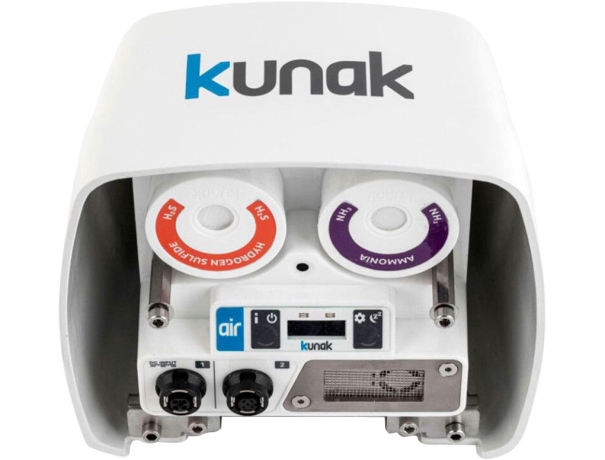
Air Quality Monitoring Stations are specialized facilities equipped with advanced sensor technologies to measure and assess the concentration of pollutants in the air. These stations play a crucial role in gathering data that helps authorities understand the quality of the air we breathe.
Why is it important to measure pollution?
In an era where urbanization and industrialization contribute significantly to air pollution, the need for accurate and real-time data on air quality is paramount. Monitoring stations provide essential insights that enable policymakers, scientists, and the public to make informed decisions about environmental regulations and personal health.
How Do Air Quality Monitoring Stations Work?
A. Sensor Technologies
Air quality sensors vary in their technology, with some measuring particulate matter, others detecting gases, and some employing advanced techniques like satellite imagery. Understanding these technologies is key to comprehending the reliability and specificity of the data collected.
B. Data Collection and Transmission
Once data is collected, it is transmitted to centralized systems for analysis. This process involves a combination of traditional data transmission methods and cutting-edge technologies like the Internet of Things (IoT), ensuring that the information is both accurate and accessible in real-time.
Uses of Air Quality Monitoring Stations
Public Health Protection:
It help in assessing the levels of pollutants such as particulate matter (PM), nitrogen dioxide (NO2), sulfur dioxide (SO2), ozone (O3), and carbon monoxide (CO) in the air. This information is vital for protecting public health, as exposure to high concentrations of these pollutants can lead to respiratory and cardiovascular problems.
Regulatory Compliance:
They are provide data that is used to determine compliance with environmental regulations and standards. Governments and environmental agencies set air quality standards, and monitoring stations help ensure that these standards are met.
Environmental Research:
Researchers use data from monitoring stations to study trends in air quality over time and to identify sources of pollution. This information contributes to a better understanding of the impact of human activities on the environment.
Early Warning Systems:
Monitoring stations can serve as part of early warning systems for high pollution events. This allows authorities to take prompt action, such as issuing health advisories, implementing traffic restrictions, or initiating other measures to reduce emissions.
Climate Change Studies:
Some monitoring stations measure greenhouse gases like carbon dioxide (CO2) and methane (CH4), contributing to research on climate change. Understanding the levels and trends of these gases helps scientists assess the impact of human activities on global climate patterns.
Industrial Emission Monitoring:
Monitoring stations near industrial areas help track emissions from factories and facilities. This information is essential for ensuring that industries adhere to emission limits and take corrective actions to minimize their environmental impact.
Traffic Management:
Stations placed near busy roadways monitor pollutants generated by vehicular traffic. This data can be used to implement traffic management strategies, such as adjusting signal timings or introducing traffic restrictions, to reduce pollution in congested areas.
Public Awareness:
Real-time air quality data from monitoring stations is often made available to the public through websites and mobile apps. This helps raise awareness about air quality issues and allows individuals to take precautions, such as avoiding outdoor activities during times of poor air quality.
Policy Development:
Policymakers use data from monitoring stations to develop and refine environmental policies. The information helps in setting realistic and effective standards for air quality, leading to regulations that protect both human health and the environment.