Materials testing, measurement of the characteristics and behavior of such substances as metals, ceramics, or plastics under various conditions. The data thus obtained can be used in specifying the suitability of materials for various applications, building or aircraft construction, machinery, packaging etc.
What are Material testing machines
Material testing machines are essential for evaluating the physical and mechanical properties of metals, plastics, and various other materials. These machines help ensure that materials meet industry standards and are suitable for specific applications by subjecting them to different testing conditions. This article explores various types of material testing machines, such as pull-push testers, tensile machines, slip and skid testers, fatigue testers, impact testers, abrasion testers, salt corrosion testers, temperature and humidity chambers, UV chambers, and aging ovens.
1. Pull-Push Testers
Pull-push testers, often referred to as force testing machines, measure the strength of materials in terms of their resistance to pulling (tension) and pushing (compression). They are widely used to test fasteners, springs, wires, and joints in both metal and plastic materials, ensuring that these materials can withstand forces they may encounter in real-world applications.
2. Tensile Testing Machines
Tensile testing machines measure how a material reacts when stretched. In a tensile test, a sample is pulled apart until it breaks. This test is essential for determining a material’s tensile strength, elongation, and modulus of elasticity. Tensile tests are common in fields like construction, automotive, and aerospace, where materials must be resilient under stress.
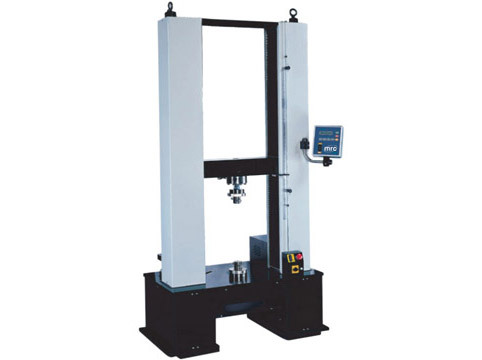
3. Slip and Skid Testers
Slip and skid testers assess the slip resistance or frictional properties of materials. They are particularly useful in industries like flooring, footwear, and automotive manufacturing. These machines simulate real-life conditions to ensure surfaces are safe and reduce the risk of slips and falls. Materials such as rubber, plastic, and certain types of metal coatings are frequently tested for slip and skid resistance.
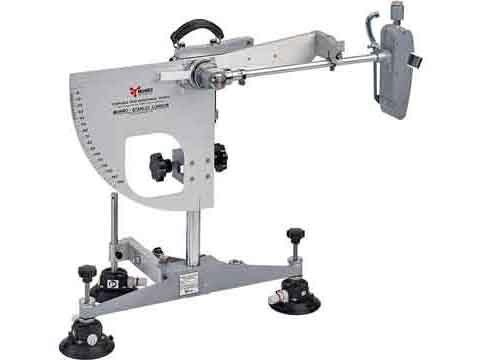
4. Fatigue Testers
Fatigue testers simulate repeated stress or cyclic loading to assess how a material behaves under continuous or fluctuating loads over time. Fatigue testing is critical for metals and plastics used in structural applications, such as aircraft components, automotive parts, and construction materials. This test helps predict the lifespan of materials and components under stress.
5. Impact Testers
Impact testers measure a material’s ability to absorb energy and resist impact forces. They are often used for metals, plastics, and composites to determine a material’s toughness. Impact testing is essential in industries like automotive and packaging, where materials must withstand sudden, high-force impacts without breaking.
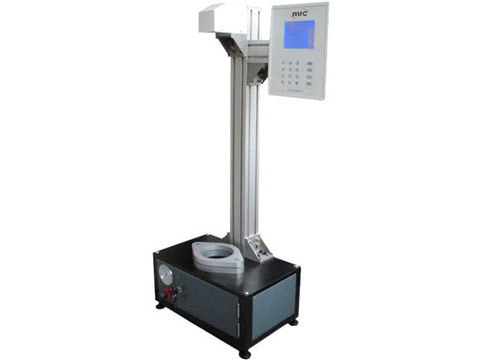
6. Abrasion Testers
Abrasion testing machines determine a material’s resistance to wear and tear when subjected to friction. This test is vital for materials used in applications where surfaces are subject to frequent contact or abrasion, such as flooring, protective coatings, and industrial machinery. Metals, plastics, and composites are commonly tested to ensure durability.
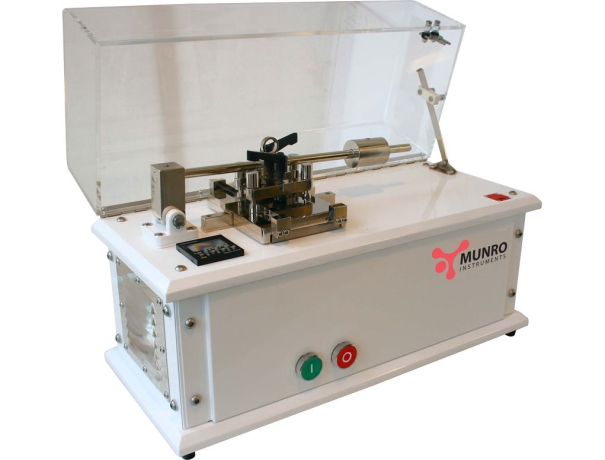
7. Salt Corrosion Testers
Salt corrosion testers, or salt spray chambers, evaluate a material’s resistance to corrosion in salty or marine environments. These testers are essential for materials used in the automotive, marine, and construction industries, where exposure to salt and moisture is common. Metals, coatings, and protective finishes are often tested to determine their longevity and effectiveness in corrosive conditions.

8. Temperature and Humidity Chambers
Temperature and humidity chambers simulate extreme environmental conditions to test a material’s resilience. These chambers expose samples to fluctuating temperature and humidity levels, providing data on how materials perform in various climates. This testing is essential for plastics, metals, electronics, and composite materials in applications requiring stability under different conditions.
9. UV Chambers
UV chambers test a material’s resistance to ultraviolet (UV) light exposure. This is critical for materials used outdoors or in environments with high UV exposure, such as plastics, coatings, and paints. UV testing helps predict material degradation, discoloration, and loss of mechanical properties over time.
10. Aging Ovens
Aging ovens simulate long-term exposure to high temperatures to assess the aging characteristics of materials. They are commonly used to test plastics, rubbers, and elastomers, which may degrade over time when exposed to heat. Aging ovens help industries like automotive, electronics, and consumer goods determine the lifespan and stability of materials under prolonged thermal stress.
Applications Across Industries
Material testing machines are indispensable across industries:
- Automotive and Aerospace: Materials must withstand extreme conditions, so tensile, fatigue, impact, and corrosion tests are crucial for safety and durability.
- Construction: Slip, abrasion, and tensile testing ensure materials meet safety standards.
- Consumer Electronics: Environmental chambers, fatigue, and UV testers ensure reliability.
- Packaging and Consumer Goods: Impact, aging, and abrasion tests help assess product durability and safety.
- Medical Devices: Tensile, fatigue, and environmental testing guarantee reliability and longevity under variable conditions.
Material testing machines are essential tools used across various industries to evaluate the properties, performance, and durability of materials under different conditions. These machines apply specific forces and stresses to materials to test their strength, hardness, flexibility, durability, and other attributes. Here are some key applications of material testing machines:
1. Quality Control in Manufacturing
- Purpose: Ensures that materials and products meet required standards.
- Application: Used to test raw materials and finished products for quality assurance. Manufacturers use these machines to ensure products meet regulatory and industry standards before distribution.
2. Research and Development
- Purpose: Helps in developing new materials and improving existing ones.
- Application: Material testing machines play a crucial role in R&D departments for developing innovative materials, such as stronger alloys, durable plastics, or high-performance composites.
3. Product Safety Testing
- Purpose: Ensures product safety and durability.
- Application: Testing machines are used to simulate real-world stresses on products to ensure they are safe for use. For example, automotive and aerospace industries rely on these machines to test materials for safety and performance under extreme conditions.
4. Construction and Civil Engineering
- Purpose: Ensures structural integrity.
- Application: Used to test construction materials like concrete, steel, and wood to confirm they can withstand the required loads and stresses. This testing is vital for ensuring the safety and longevity of buildings, bridges, and other structures.
5. Metallurgy and Metalworking
- Purpose: Determines the strength and durability of metals.
- Application: Testing machines are employed to assess the hardness, tensile strength, and impact resistance of metals. This data is essential for selecting materials suitable for specific engineering applications.
6. Automotive and Aerospace Testing
- Purpose: Ensures that materials can handle high stress and variable conditions.
- Application: Automotive and aerospace industries use material testing machines to ensure the reliability of materials in harsh environments. This includes testing for fatigue, tensile strength, and resistance to impact.
7. Textile and Polymer Testing
- Purpose: Evaluates flexibility, elasticity, and durability.
- Application: Used to test fabrics, plastics, and other polymers for qualities like tear resistance, elasticity, and heat resistance. This is important for developing durable consumer goods and industrial textiles.
8. Medical and Biomedical Applications
- Purpose: Ensures materials are safe for human use.
- Application: Material testing machines help verify the strength, flexibility, and biocompatibility of materials used in medical devices and implants. This ensures they can withstand bodily environments without degrading or failing.
9. Environmental Testing
- Purpose: Examines material performance in specific environments.
- Application: Used to simulate conditions such as high humidity, UV exposure, or corrosive environments to test materials' durability under these conditions. This testing is vital for materials exposed to outdoor or industrial settings.