A Universal testing machine (UTM) is used to test the mechanical properties (tension, compression etc.)
Including tensile tests and compression tests, as well as flexure tests, peel tests, tear tests and other mechanical tests.
It can be used for various raw materials, semi-finished and finished products which are essential to manufacturers performing quality control & academic organizations for studying the physical properties of raw materials
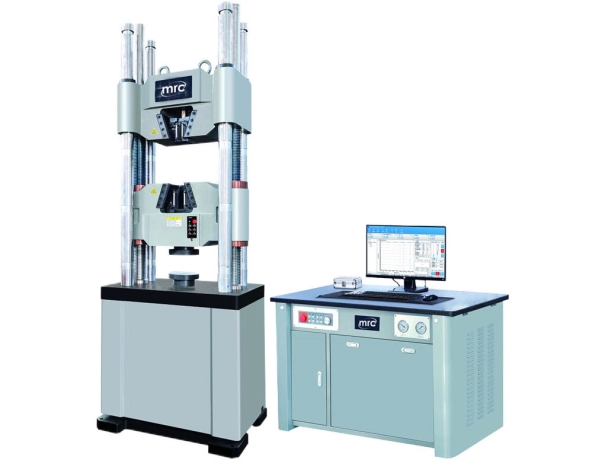
Applications of Tensile Testing Machines like Instron and Their Uses Across Industries
MUNRO push/pull testing machines are important in material testing and quality control across multiple industries. These machines provide accurate insights into a material’s strength, elasticity, and breaking point, essential factors for product safety and durability. Tensile testing, also known as tension testing, is a crucial part of material science, ensuring that materials used in products can withstand operational demands. This article will explore the diverse applications of tensile machines, their importance in different industries, and how they contribute to the development of high-quality products.
What are Tensile Testing Machines?
Tensile testing machines apply controlled force to a material sample to measure its reaction under stress, typically until it reaches its breaking point. Key parameters measured include:
- Ultimate tensile strength – the maximum stress a material can withstand.
- Yield strength – the stress level at which material begins to deform plastically.
- Elongation – the extent to which a material stretches under tension before breaking.
These metrics allow manufacturers to determine whether a material is suitable for its intended use. MUNRO provide advanced tensile machines that offer precise control over testing variables, enabling industries to obtain reliable data and ensure product integrity.
What Are Pull/Push and Tensile Testing Machines?
Pull/push machines measure the force required to push or pull a component, while tensile machines assess a material’s ability to withstand tension until failure. These devices are essential for analyzing material properties like elasticity, ductility, and tensile strength, allowing manufacturers to understand the limits of their materials and ensure safety and durability.
Why Are These Machines Important Across Industries?
Testing machines provide vital data that helps in material selection, process refinement, and quality control. From testing aerospace composites to ensuring biomedical implants' compatibility, these devices ensure products meet functional and regulatory standards before reaching the market.
Types of Testing Performed by Pull/Push and Tensile Machines
These machines conduct various tests, including:
- Tensile and compression testing to measure resistance under pulling and pushing forces.
- Fatigue testing to simulate real-world stress cycles and predict failure points.
- Bond and peel testing for analyzing the adhesion between layers or bonded materials.
Applications in Aerospace Industry
Testing Strength and Fatigue in Aircraft Components
Aircraft components must withstand significant stress during flight. They assess the strength and fatigue resistance of critical parts, ensuring they meet safety and performance standards.
Ensuring Durability of Lightweight Composite Materials
Lightweight composites are crucial in aerospace for reducing fuel consumption. Pull/push testing machines measure their tensile and compressive strength, verifying they are robust enough for flight conditions.
Verifying Safety of Fasteners and Structural Joints
Bolts, rivets, and other fasteners undergo tensile tests to ensure they can withstand vibration and pressure, preventing structural failures in flight.
Applications in the Automotive Industry
Assessing Durability of Engine Components
Automotive engines experience high temperatures and pressures. Tensile and fatigue testing verify that engine materials can handle these conditions without degrading over time.
Testing Safety of Seat Belts and Other Safety Equipment
Safety features like seat belts are tested under push and pull forces to ensure they perform reliably in collisions, enhancing passenger safety.
Ensuring Material Strength in Body Panels and Frames
Testing machines measure the tensile strength of car frames and body panels, ensuring the vehicle’s structural integrity during impacts.
Applications in Electronics and Electrical Components
Testing the Durability of Soldered Connections
Pull testing ensures that soldered joints and connections in electronics can withstand repeated use and physical stress, maintaining device reliability.
Assessing Strength of Housings and Enclosures
Tensile and push tests validate that electronic housings are durable and able to protect internal components from impact.
Verifying the Reliability of Connectors and Cables
Cables and connectors undergo pull testing to ensure they maintain stable connections under strain, essential for consistent electrical performance.
Applications in the Plastics Industry
Evaluating Tensile Strength of Plastic Components
Measure the stretch and strength of plastics, ensuring components meet application-specific demands, whether for consumer goods or industrial applications.
Ensuring Flexibility and Stretch Properties
They check that flexible plastics maintain their elasticity, allowing manufacturers to optimize products for durability and functionality.
Testing Impact Resistance for Consumer and Industrial Use
Push testing assesses the impact resistance of plastics, a key factor for items that may encounter rough handling or extreme conditions.
Applications in Metals and Alloys
Measuring Yield and Tensile Strength
They provides data on metals’ yield and tensile strength, essential for applications in construction and industrial manufacturing.
Testing Hardness and Fracture Resistance
Push machines measure metals’ hardness, while tensile tests assess fracture resistance, important for parts exposed to stress and pressure.
Analyzing Metal Fatigue for Structural Components
Fatigue testing simulates repetitive stress cycles, helping predict the lifespan and failure points of metal parts in machinery and construction.
Applications in Composite Materials
Testing Bonding and Laminate Strength
Tensile and peel tests verify the strength of bonded layers, ensuring composite materials maintain structural integrity in applications like aerospace and automotive manufacturing.
Verifying Structural Integrity of Fibers
Pull tests measure the tensile strength of fibers within composites, ensuring they meet specifications for durability and weight-bearing capacity.
Assessing Shear Strength in Layered Composites
Composite materials are tested for shear strength to confirm they withstand stress without delamination or failure.
Applications in Biomedical Industry
Testing Biocompatibility and Flexibility of Implants
Medical implants must withstand bodily forces while remaining biocompatible. Tensile testing evaluates implant flexibility and durability.
Assessing Tensile Properties of Medical Devices
Devices like catheters and stents undergo tensile testing to ensure they perform reliably within the human body.
Ensuring Quality of Surgical Sutures and Prosthetics
Tensile testing ensures sutures hold under tension, while push tests validate the strength and durability of prosthetics.
Applications in Battery Technology
Testing the Integrity of Battery Casings
Battery casings protect internal components. Push and tensile tests confirm casings’ resilience under physical stress, crucial for safety in consumer electronics.
Verifying Tensile Strength of Electrode Materials
Battery electrodes must handle electrochemical stress. They ensures they maintain their structure during charge and discharge cycles.
Assessing Durability of Internal Connections
Battery components like tabs and connectors undergo pull testing to confirm they withstand stress, ensuring stable performance.
Applications of Tensile Testing Machines
They are essential tools in multiple applications, ranging from quality control to research and development. Here are some of the primary applications:
1. Material Characterization
Tensile testing machines are critical for material characterization, allowing scientists and engineers to assess the properties of metals, plastics, polymers, textiles, and more. The results from tensile tests help researchers understand a material's mechanical behavior under load, enabling better material selection for different projects.
2. Product Development and R&D
Tensile tests provide valuable insights during product development, helping engineers determine the suitability of materials before full-scale production. By evaluating properties like strength, durability, and elasticity, tensile testing helps R&D teams optimize material choices, enhancing product performance and safety.
3. Quality Control
In manufacturing, tensile testing is a standard practice for quality control. The ability to ensure material strength and consistency in each batch helps prevent product failures, reduces material wastage, and builds customer confidence. They assess every batch to maintain high standards, ensuring products meet regulatory and safety requirements.
4. Safety Testing and Compliance
Industries like aerospace, automotive, and medical devices have strict safety and compliance regulations. Tensile testing machines validate that materials can withstand operational demands, such as high temperatures, pressure, and stress. Ensuring compliance through tensile testing helps avoid recalls, liability issues, and ensures safety for end users.
5. Determining Mechanical Properties for Simulation Models
In fields like civil engineering and aerospace, accurate simulations are crucial for testing prototypes.They help obtain accurate data on material properties, providing reliable input for simulations in Finite Element Analysis (FEA) and Computer-Aided Engineering (CAE). This data enables engineers to predict real-world material behavior accurately and adjust designs accordingly.
6. Tensile Testing of Components and Sub-assemblies
Apart from raw materials, tensile testing is also used to evaluate specific components and sub-assemblies, especially in industries like electronics and automotive. For instance, tensile testing ensures that electronic connectors can handle the required load without compromising functionality or safety.
7. Research in Material Fatigue and Durability
Fatigue and durability studies are essential in industries where materials are subjected to repetitive stress, such as construction and transportation. Tensile testing machines perform cyclic tests to assess how long a material can withstand constant strain before failure, offering insights into lifespan and durability.
8. Testing of Adhesive and Bonding Strength
Tensile machines are often used to test adhesives and bonding materials, ensuring that glues, sealants, and tapes can hold parts together under load. This is especially important in industries where bonding integrity is critical, such as automotive, construction, and electronics manufacturing.
9. Tensile Testing in Forensics and Failure Analysis
In cases of product or structural failure, tensile testing can be used in forensic analysis to determine whether material failure was a contributing factor. This type of analysis is useful in legal and safety investigations and helps companies understand how to improve their products to prevent future incidents.
Industries Utilizing Tensile Testing Machines
They are widely applicable across multiple sectors. Here’s how different industries use these machines to ensure product quality and performance:
1. Automotive Industry
The automotive sector requires materials that can withstand high stress and extreme conditions. They help assess the strength and flexibility of metals, plastics, and composites used in vehicle manufacturing. From body panels to engine parts and safety components like seatbelts, tensile testing ensures that materials used in vehicles can withstand everyday wear and tear and provide safety to passengers.
2. Aerospace and Defense
In the aerospace and defense industries, material integrity is non-negotiable due to the high-risk nature of their applications. Tensile testing is essential to confirm that metals, composites, and other materials used in aircraft and military equipment can endure high pressure, temperature, and stress. Failure in these fields can be catastrophic, making tensile testing an essential part of quality assurance in these sectors.
3. Construction and Civil Engineering
Construction materials like steel, concrete, and rebar need to meet strict tensile strength standards. They are used to evaluate the strength and durability of these materials, ensuring they can withstand structural loads. In civil engineering, accurate tensile data supports reliable project designs, from buildings and bridges to pipelines and other infrastructure.
4. Medical Device Manufacturing
In the medical field, materials used in devices such as surgical instruments, implants, and prosthetics undergo stringent testing. Tensile testing machines help manufacturers determine the durability and biocompatibility of metals, polymers, and ceramics used in medical devices, ensuring they meet safety and regulatory standards before reaching patients.
5. Electronics and Electrical Equipment
For electronic products, tensile testing ensures that connectors, wires, and solder joints can handle physical stress without breaking. This is especially important for components that undergo regular manipulation, like charging cables or connectors. Tensile testing in the electronics industry helps prevent product malfunctions and improve consumer safety.
6. Packaging Industry
In the packaging industry, tensile testing assesses the strength and flexibility of materials like plastics, cardboard, and adhesives used for food packaging, consumer goods, and industrial supplies. Ensuring packaging integrity through tensile testing helps maintain product safety, prevents spillage, and reduces waste in transportation.
7. Textile and Apparel Industry
This is crucial in the textile industry, where the durability and elasticity of fabrics are key factors. Tensile machines test fabrics for tear resistance, seam strength, and elasticity, ensuring that products like clothing, furniture upholstery, and outdoor gear meet quality standards and consumer expectations.
8. Oil and Gas Industry
Pipelines, drilling equipment, and storage tanks in the oil and gas industry require materials with high tensile strength to endure pressure and environmental challenges. Tensile testing is used to verify that these materials can handle the demands of extraction, transportation, and storage, minimizing risks of failure in the field.
9. Academic and Research Institutions
In academia, tensile testing is fundamental to material science research, enabling students and scientists to study new materials and explore innovative applications. University labs and research institutions use tensile testing to evaluate experimental materials, helping advance technology in various fields, from renewable energy to biomaterials.
1. What is the primary purpose of a tensile testing machine?
The main purpose is to measure the strength and elasticity of materials under tension. It helps determine properties like ultimate tensile strength, yield strength, and elongation.
2. Which industries use tensile testing the most?
Industries such as automotive, aerospace, construction, medical devices, electronics, and textiles frequently use tensile testing to ensure material reliability and product safety.
3. Can tensile testing be used for non-metallic materials?
Yes, They can be applied to a variety of materials, including plastics, textiles, composites, and adhesives, providing valuable data on their mechanical properties.
4. Why is tensile testing important in the automotive industry?
In the automotive industry, tensile testing helps assess the durability and safety of materials used in vehicle components, ensuring that they can withstand operational stresses and provide protection to passengers.
5. How does tensile testing help in product development?
They help in product development by identifying materials that meet performance criteria, enabling engineers to choose the best materials for durability, safety, and regulatory compliance.