Metal hardness is one of the most important characteristics in the industry, as it affects the strength, durability, and ability of the material to withstand loads.
What is Hardness?
Hardness is defined as a material's resistance to penetration, wear, or plastic deformation. It is influenced by factors such as the metal's composition, manufacturing process, and heat treatments applied to the material.
How Does Hardness Affect Metal Performance?
- Harder metals are more resistant to wear and pressure but may be less flexible and more brittle.
- Softer metals are easier to process but tend to wear out more quickly.
What is a Digital Hardness Tester?
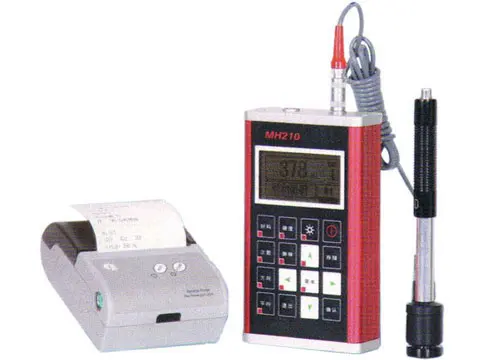
A digital hardness tester is a device designed to measure the hardness level of various materials by pressing a measurement probe onto the surface of the tested material. The device features a digital display that presents the measurement results clearly and accurately.
Difference Between a Digital and an Analog Hardness Tester
- An analog hardness tester displays the result using a mechanical dial.
- A digital hardness tester provides a precise reading on a digital screen, reducing human error and enabling data storage for documentation.
Key Applications of Hardness Measurement
Hardness measurement is widely used in research laboratories and advanced industries.
How to Choose the Most Suitable Measurement Method?
The choice depends on factors such as the type of metal, required accuracy, and sample thickness.
Industrial Applications of Hardness Testers
Hardness testers for metals are used across various industries, research fields, and maintenance processes. Some key applications include:
- Quality Control in Industry – Hardness testers ensure that metals meet standard and quality requirements in the production of mechanical components, tools, automotive parts, aerospace components, and more.
- Material Testing – In research and materials laboratories, hardness testers help determine material properties and assess the effects of heat treatments or different processing techniques.
- Automotive and Aerospace Industry – Hardness tests are crucial for evaluating the wear resistance and mechanical stress tolerance of materials, especially in critical parts such as engines, transmissions, and brakes.
- Maintenance and Wear Prediction – In industries such as manufacturing, transportation, and infrastructure, hardness testing helps detect material wear and prevent failures before they occur.
- Steel and Metal Industry – Hardness measurement is used to assess the quality of steel, aluminum, titanium, and copper alloys, ensuring their suitability for various applications.
- Medical and Implant Industry – Hardness testers are also used to evaluate the quality of medical metals such as titanium and stainless steels used in dental implants, artificial joints, and surgical instruments.
- Energy Industry – Power plants, oil and gas pipelines, and wind turbine components require hardness testing to ensure resistance to extreme conditions and high pressures.
Factors Affecting Measurement Results
- Temperature and Humidity
- Surface Condition
- Proper Calibration of the Device
Conclusion – Why is Understanding Metal Hardness Important?
Hardness measurement is a critical tool for ensuring the quality and durability of metals in various industries.