These instruments are standard textile testing devices used in quality control laboratories to evaluate fabric durability, resistance, and performance under different conditions such as friction, tearing, airflow, and rain exposure. They are widely used by textile manufacturers, research laboratories, and certification bodies to comply with standards such as ISO, ASTM, and AATCC.
Below is a clear explanation of each device.
1. Manual Crockmeter - Colour Fastness to Rubbing Tester
A Crockmeter measures the color fastness of textiles to rubbing.
Purpose
To determine how much dye transfers from a fabric to another surface when rubbed.
How it works
A white test cloth is rubbed against the fabric sample under controlled pressure and motion.
Two tests are usually performed:
Results indicate whether a fabric will stain other materials during use or washing.
Common standards
Typical applications
- Apparel fabrics
- Upholstery textiles
- Dyed yarns
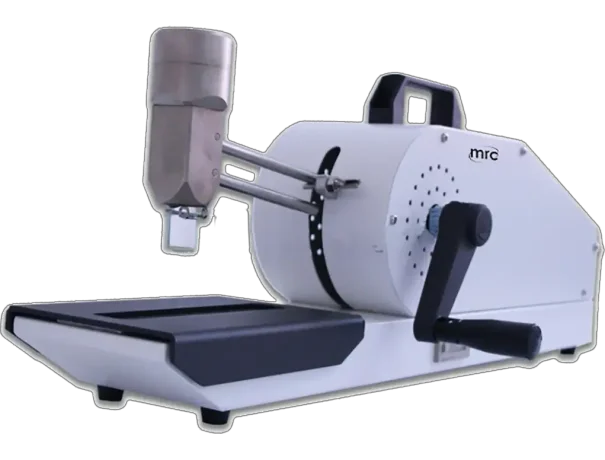
Digital Elmendorf Tear Strength Tester - Textile, Paper and Plastic
This device measures the tear resistance of materials using the Elmendorf pendulum method.
Purpose
To determine the force required to continue tearing a pre-cut fabric or sheet material.
How it works
A pendulum falls after a specimen is clamped. The energy required to propagate the tear is measured digitally.
Materials tested
- Textile fabrics
- Paper and cardboard
- Plastic films
- Nonwovens
Advantages of the digital version
- Automatic measurement
- Higher accuracy
- Digital display and data storage
Standards
- ASTM D1424
- ISO 13937-1
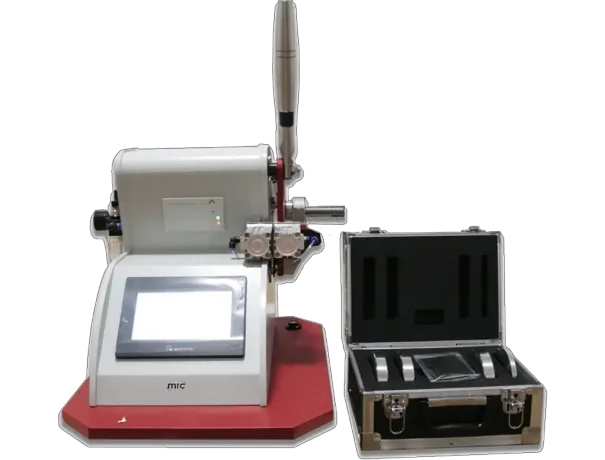
Elmendorf Tear Strength Tester
This is the manual or mechanical version of the digital Elmendorf tester.
Purpose
Same as the digital model: measuring tear strength of sheet materials.
Difference from the digital version
- Mechanical scale reading
- Simpler operation
- Lower cost
Common in
- Textile mills
- Paper laboratories
- Educational labs
Martindale Abrasion Tester
The Martindale Abrasion Tester evaluates fabric resistance to abrasion and pilling.
Purpose
To simulate real wear caused by friction during use.
How it works
Fabric samples rub against a standard abrasive material in a Lissajous motion pattern under controlled pressure.
Measurements include
- Abrasion resistance
- Pilling resistance
- Surface wear
Typical applications
- Upholstery fabrics
- Automotive textiles
- Clothing fabrics
- Carpets
Standards
Digital Air Permeability Tester for Fabrics
This instrument measures how easily air passes through a fabric.
Purpose
To evaluate breathability and airflow resistance.
How it works
Air is forced through a fabric sample at a controlled pressure. Sensors measure the airflow rate.
Measured parameter
Air permeability usually expressed in:
Applications
- Sportswear fabrics
- Medical textiles
- Filters
- Technical fabrics
Standards
Automatic Air Permeability Tester
This is a fully automated version of the air permeability tester.
Additional capabilities
- Automatic pressure control
- Automatic clamping
- Data logging and reporting
- Multiple test modes
Advantages
- Higher repeatability
- Faster testing
- Reduced operator error
Common in
- textile quality laboratories
- R&D centers
- certification institutes
Rain Tester | AATCC 35 Rain Penetration Tester
This instrument evaluates fabric resistance to rain penetration.
Purpose
To simulate rain falling on a textile surface.
How it works
Water is sprayed onto a fabric mounted over a blotter paper. After exposure, the blotter is weighed to determine how much water penetrated the fabric.
Measured property
Rain penetration resistance.
Commonly tested materials
- Rainwear fabrics
- Outdoor clothing
- Protective textiles
Standard
Water Repellency Tester - Fabric Rain Resistance Testing
This tester evaluates surface water repellency of fabrics.
Purpose
To determine how well a fabric repels water droplets.
How it works
Water is sprayed on the fabric surface. The wetting pattern is visually compared to a standard rating chart.
Rating scale example
0 to 100 spray rating.
Typical use
- Outdoor clothing
- Coated textiles
- Waterproof fabrics
- Technical garments
Standards