A biological cabinet, also known as a biosafety cabinet (BSC), is a specialized workspace designed to provide a controlled and safe environment for handling biological samples, such as bacteria, viruses, and other potentially hazardous microorganisms. These cabinets are primarily used in laboratories to protect the user, the environment, and the materials being worked on from contamination or exposure to biohazards.
Types of Biological Cabinets and Their Biosafety Levels
Biological cabinets are designed to provide varying levels of protection, depending on the biosafety level (BSL) required for specific laboratory work. These cabinets are matched to the risks associated with the biological agents being handled.
Class I Biological Cabinets: These cabinets provide personnel and environmental protection but do not protect the samples being handled. They are commonly used in Biosafety Level 1 (BSL-1) laboratories, where work involves "defined and characterized strains of viable biological agents that are not known to cause disease in immunocompetent adult humans." Class I cabinets are sufficient for low-risk biological materials, offering basic containment.
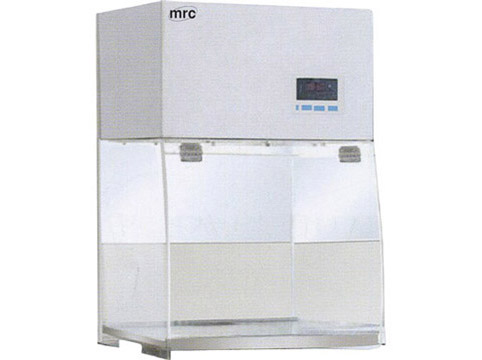
Class II Biological Cabinets: These cabinets provide protection for personnel, the environment, and the product (sample). They are widely used in Biosafety Level 2 (BSL-2) laboratories, which handle "moderate-risk agents that cause human disease of varying severity by ingestion or through percutaneous or mucous membrane exposure." Class II cabinets are ideal for research and clinical labs where sample protection is as critical as worker and environmental safety.

Class III Biological Cabinets: Completely sealed and gas-tight, these cabinets are designed for maximum containment. They are used in Biosafety Level 3 (BSL-3) and Biosafety Level 4 (BSL-4) laboratories. BSL-3 work involves "agents with a known potential for aerosol transmission, for agents that may cause serious and potentially lethal infections, and that are indigenous or exotic in origin." At BSL-4, scientists work with "exotic agents that pose a high individual risk of life-threatening disease by infectious aerosols and for which no treatment is available." Class III cabinets are essential for handling highly infectious or dangerous pathogens requiring absolute containment.
Three types of Biological Cabinets mentioned, along with their functionality, advantages, and disadvantages:
1. Cabinet with Airflow from the Room Inside
This type of cabinet has an open front and draws air directly from the room into the workspace. It can be used with or without a lid, depending on whether gloves are required.
Functionality: The airflow is designed to protect the user from potential exposure to aerosols, but it doesn’t filter or sterilize the air around the product.
Advantages:
Simple design and easy to operate.
Cost-effective compared to more advanced cabinets.
Disadvantages:
No sterility: The product or material inside the cabinet is not protected from contamination.
Limited protection for the work environment.
Applications: Suitable for basic tasks where sterility of the product is not critical, such as low-risk sample handling.
2. Cabinet with Internal Airflow
This cabinet also has an open front but includes an internal airflow system where air is filtered through a HEPA filter. The filtered air flows over the work surface and is recirculated back into the room.
Functionality: Provides a sterile work environment and ensures that air leaving the cabinet is filtered, offering protection to both the user and the surrounding environment.
Advantages:
Protects the worker from exposure to harmful aerosols.
Maintains a sterile work environment, reducing contamination risk for the sample.
Disadvantages:
Open design may still allow some contamination from the outside environment to enter.
Applications: Commonly used in Biosafety Level 2 settings, such as cell culture work, microbiology, and handling moderately hazardous agents.
3. Cabinet with Glove Box Compartments
This is the most secure type of cabinet. It is completely enclosed and uses glove boxes to handle materials inside the workspace without direct contact. Advanced filtration systems clean both incoming and outgoing air, ensuring the highest levels of protection.
Functionality: Fully sealed, gas-tight compartments ensure maximum sterility and containment for both the user and the product. Air is filtered using multiple layers of advanced filtration systems.
Advantages:
Maximum worker protection from hazardous or infectious agents.
Complete sterility of the product, with zero risk of external contamination.
Ensures the environment remains safe by filtering outgoing air.
Disadvantages:
Expensive and requires specialized training to operate.
Less flexibility compared to open-front cabinets.
Applications: Suitable for Biosafety Level 3 and 4 tasks, including handling highly infectious pathogens, hazardous chemicals, or any application where absolute containment is critical.
Applications
Handling infectious agents in microbiology and virology labs.
Cell culture work to prevent contamination.
Genetic engineering and molecular biology experiments.
Preparing sterile pharmaceutical products.