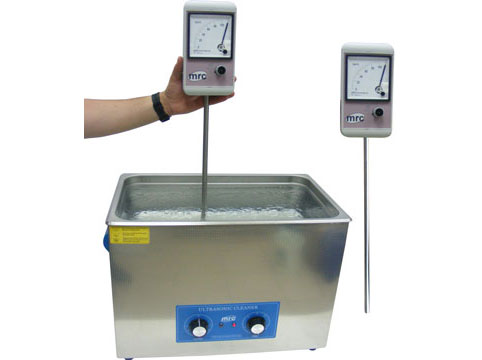
Cavitation refers to the formation and collapse of vapor bubbles in a liquid, usually caused by changes in pressure. This phenomenon often occurs in hydraulic systems, propellers, and pumps, leading to potential damage to machinery.
Why Measure Cavitation Intensity?
Understanding cavitation intensity is crucial for preventing equipment failure, optimizing performance, and reducing maintenance costs. Early detection allows engineers to mitigate damage before it escalates.
Key Features of the Cavitation Intensity Meter
- Precision Engineering: Ensures accurate and reliable readings.
- Advanced Sensors: Detects even the smallest cavitation events.
- Durability and Usability: Built to withstand harsh environments while remaining user-friendly.
How Does the Munro Cavitation Intensity Meter Work?
The Science Behind Cavitation Detection
The meter leverages acoustic and pressure sensors to measure the impact of cavitation on liquid systems. It translates these readings into actionable data.
Step-by-Step Process of Measurement
- Install the device in the target system.
- Calibrate to match the operational conditions.
- Monitor and analyze real-time data via an intuitive interface.
Applications
Marine Industry
Protects ship propellers and hulls from cavitation damage.
Hydraulic Systems
Ensures smooth operation and prevents wear in industrial equipment.
Energy Sector
Optimizes the performance of turbines and pumps in power plants.
Benefits of Using the Munro Cav-meter-2 Cavitation Intensity Meter
Increased Equipment Lifespan
Early detection of cavitation prevents extensive damage, prolonging the life of machinery.
Enhanced Operational Efficiency
With precise data, operators can make informed decisions to optimize performance.
Cost Savings
Reduces repair costs and downtime associated with cavitation damage.
Maintenance
Cleaning Guidelines
Wipe the sensors regularly to ensure accurate readings.
Storage Recommendations
Keep the device in a dry, temperature-controlled environment.
How Does It Work?
The Cavitation Intensity Meter works by using sensors and advanced signal processing technologies to detect the high-frequency vibrations and acoustic signals generated by cavitation. The key components typically include:
- Sensors: High-sensitivity piezoelectric or accelerometer sensors to capture cavitation-induced vibrations or acoustic emissions.
- Signal Processor: A system that filters and analyzes the captured signals to differentiate cavitation effects from other mechanical noises.
- Display Unit: A user interface that provides real-time data on cavitation intensity and patterns.