Laboratory circulation pumps are devices designed to circulate fluids—commonly water, oils, or other heat transfer fluids—within a closed or open-loop system. They maintain consistent flow rates and temperatures in laboratory setups.
Varieties of Laboratory Circulation Pumps
a. Heating Circulators
- Maintain and regulate elevated temperatures.
- Often paired with a water bath or oil bath.
b. Cooling Circulators
- Utilize refrigerants to lower temperatures.
- Used for cryogenic applications or cooling delicate equipment.
c. General Purpose Circulators
- Combine heating and cooling capabilities.
- Versatile for a range of temperatures.
d. Immersion Circulators
- Attach to a tank to control temperature in an external fluid bath.
- Portable and cost-effective.
e. Recirculating Chillers
- Advanced cooling systems with high efficiency.
- Ideal for maintaining a stable temperature in high-demand processes.
Characteristics
- Temperature Range:
- Varies from cryogenic temperatures (e.g., -90°C) to high heat (e.g., 300°C+).
- Pump Flow Rate:
- Measured in liters per minute (L/min); critical for ensuring adequate circulation.
- Precision and Stability:
- Maintains consistent temperature with minimal fluctuation.
- Fluid Compatibility:
- Compatibility with water, oil, or other specialized fluids.
- Connectivity:
- Some models offer digital interfaces, USB, or Ethernet connectivity for remote monitoring and control.
- Safety Features:
- Over-temperature cutoffs, alarms, and low-liquid level protections.
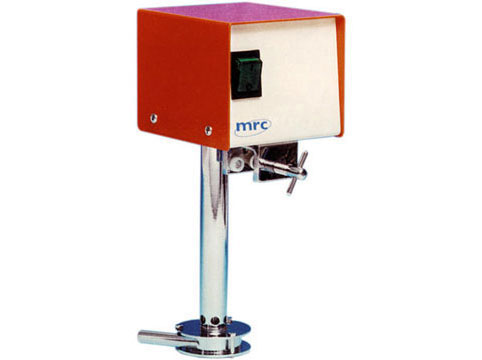
Purposes
- Research and Development:
- Precise temperature control for chemical reactions, enzyme studies, and material testing.
- Pharmaceutical Testing:
- Stability studies and quality assurance.
- Life Sciences:
- Maintaining biological samples or cell cultures.
- Industrial Processes:
- Supporting reactors, spectrometers, or extrusion systems.
- Calibration:
- Maintaining accurate environmental conditions for equipment calibration.
Selection Criteria
a. Application Needs
- Determine the required temperature range and fluid type.
- Assess the needed pump capacity based on system size.
b. Precision Requirements
- Choose a pump with temperature stability suited to the experiment’s tolerance level.
c. Compatibility
- Ensure chemical resistance and fluid compatibility.
d. Size and Portability
- Opt for compact models for limited spaces or portable designs for multi-location use.
e. Energy Efficiency
- Look for models with low power consumption.
f. Connectivity and Control
- For advanced systems, ensure software integration and remote control options.
Upkeep
a. Routine Maintenance
- Fluid Levels: Ensure adequate fluid levels and refill as needed.
- Filter Cleaning: Regularly clean or replace filters to prevent blockages.
- Lubrication: Lubricate pump parts as per manufacturer’s guidelines.
- Calibration: Periodically check and recalibrate temperature sensors.
b. Common Issues
- Low Flow Rate: Check for clogs or leaks in the tubing.
- Temperature Fluctuations: Inspect the thermostat or cooling system.
- Noise: Ensure the pump is mounted correctly and check for worn-out bearings.
c. Professional Servicing
- Schedule annual inspections with qualified technicians for high-precision models.
what are Laboratory Water circulation pumps
A Laboratory Water Circulation Pump is a specialized device used in laboratories to maintain the flow of water in various applications and systems. It is designed to provide a steady and controlled circulation of water, which is critical for experiments and operations that require consistent temperature control, cooling, or water flow.