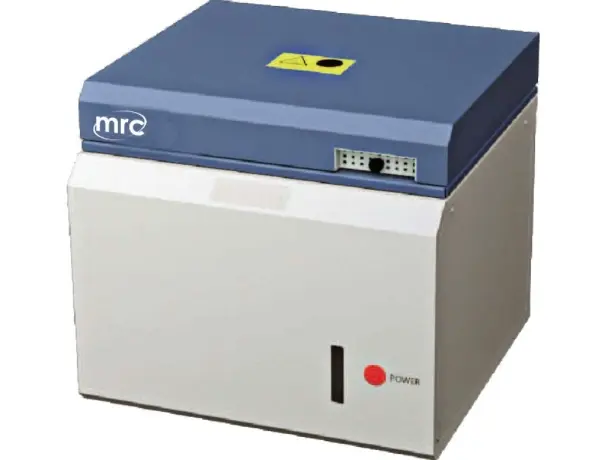
Coal is a vital energy source for many industries, and its quality directly affects the efficiency, environmental impact, and performance of processes that use it as a fuel. As coal passes through various stages of handling, preparation, and combustion, it is crucial to monitor its properties closely to optimize efficiency and reduce costs. Coal analyzers are instrumental in providing the necessary data to ensure quality control, enhance safety, and comply with environmental standards.
1. Moisture Analyzer for Coal and Coke
Moisture content is one of the most important parameters when assessing coal and coke, as it influences the fuel's energy content, combustion efficiency, and handling characteristics. High moisture content in coal can reduce the calorific value, resulting in inefficient combustion, higher transportation costs, and potential equipment corrosion.
A Moisture Analyzer for Coal and Coke is designed to quickly and accurately measure the moisture content in these materials. These devices operate based on either thermogravimetric analysis or infrared drying methods, providing fast results to facilitate immediate adjustments in the handling and processing of coal.
- Functionality and Benefits:
- Thermogravimetric analysis (TGA) works by applying heat to a sample and measuring the loss in weight as moisture evaporates. This is especially effective for coal and coke because of their specific moisture release properties.
- Infrared drying uses a controlled heat source to dry the sample while measuring the loss of mass over time. This method is efficient and commonly used for batch testing.
- Moisture analyzers provide fast, accurate results that allow operators to adjust coal handling processes, manage combustion temperatures, and predict fuel performance. They also ensure that coal samples are optimally dried before they undergo further analysis or processing.
- Applications:
- Power plants, where coal moisture content directly impacts combustion efficiency.
- Cement production, where controlling moisture can reduce energy consumption.
- Coal trading companies, ensuring consistent product quality and preventing disputes over coal quality.
2. Coal/Coke Moisture Analyzer
A Coal/Coke Moisture Analyzer is similar to the general moisture analyzer but is tailored specifically to meet the distinct needs of both coal and coke, which differ in their processing and characteristics. While coal moisture analyzers focus on the inherent moisture within raw coal, coke moisture analyzers assess the residual moisture left in coke after the coal has been processed in a coke oven.
- Functionality and Benefits:
- These analyzers typically use loss on ignition (LOI) techniques, where the moisture evaporates when exposed to heat, and the difference in mass is measured.
- They can be equipped with high-precision thermogravimetric analyzers or infrared drying sensors, enabling them to handle both coal and coke samples efficiently.
- Ensuring the proper moisture content in coke is essential for its use in blast furnaces and other industrial processes where consistent heating properties are critical.
- Applications:
- Steel production, where coke is used in blast furnaces for iron smelting.
- Coal processing plants, to monitor and control moisture levels after carbonization.
- Quality control departments in power generation, to confirm that the final coke product has the correct moisture for optimal combustion.
3. Ash Fusion Tester
Ash content in coal refers to the inorganic residue left after coal is burned. The Ash Fusion Tester is used to determine the melting temperature of the ash produced when coal is combusted, which is crucial for preventing operational issues in industrial furnaces and boilers.
- Functionality and Benefits:
- Ash fusion tests are performed by heating a small sample of coal ash in a controlled furnace and measuring the temperatures at which the ash begins to soften, fuse, and finally melt.
- The softening temperature and fluidity index provide insights into how ash will behave in combustion systems. Ash with a low fusion temperature may cause slagging or fouling in boilers, leading to maintenance problems and reduced efficiency.
- This analyzer is vital for assessing the slagging potential of different coal types, ensuring that plants use coal that matches the design specifications of their equipment.
- Applications:
- Power plants, where understanding ash fusion behavior is critical to maintaining boiler efficiency.
- Cement and lime industries, which rely on specific combustion conditions to process raw materials.
- Coal suppliers and producers, who use ash fusion data to offer detailed coal quality profiles to their customers.
4. Proximate Analyzer
The Proximate Analyzer measures a set of essential characteristics of coal, including moisture content, volatile matter, fixed carbon, and ash. These four components are collectively referred to as the proximate analysis of coal. The proximate analysis provides a comprehensive view of a coal sample’s composition, which directly affects its combustion behavior and energy output.
- Functionality and Benefits:
- The analyzer uses a combination of methods such as thermogravimetric analysis and furnace testing to quantify each component. For example, volatiles are typically measured by heating a coal sample in a furnace and measuring the weight loss due to the release of gases.
- Fixed carbon is the solid residue left after the volatile components have been expelled, while ash content is the inorganic residue left after combustion.
- The data provided by the Proximate Analyzer is essential for evaluating the energy efficiency, combustion characteristics, and carbon footprint of coal.
- Applications:
- Power generation, where proximate analysis helps in adjusting the furnace and boiler settings to ensure optimal combustion.
- Coal blending operations, allowing companies to mix coal from different sources to achieve a desired quality profile.
- Environmental compliance, ensuring that coal meets regulatory standards for sulfur content, carbon emissions, and other pollutants.