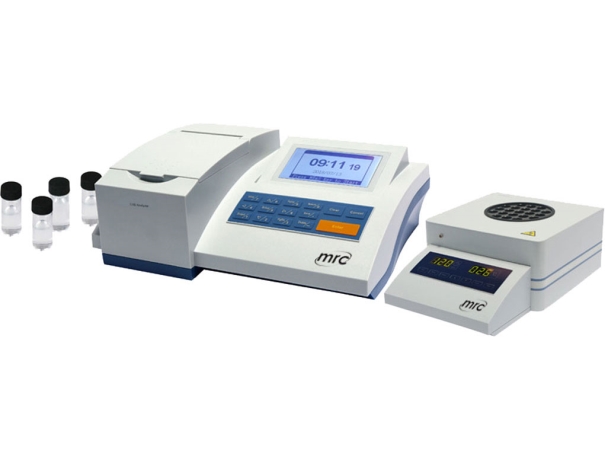
Chemical Oxygen demand COD reactor Chemical oxygen demand (COD) test is commonly used to indirectly measure the number of organic compounds in water.
What are Oxygen Demand Reactors
Oxygen demand refers to the quantity of dissolved oxygen consumed by biological and chemical processes in water. It serves as a crucial indicator of water quality, reflecting the level of organic pollution present. Excessive organic matter can lead to oxygen depletion, adversely impacting aquatic life and overall ecosystem health.
Oxygen Demand Reactors are designed to simulate the natural processes occurring in water bodies, allowing for the accurate determination of oxygen demand. By replicating the conditions in a controlled environment, these reactors enable scientists and environmentalists to assess the impact of various substances on water quality.
Applications of Oxygen Demand Reactors:
- Environmental Impact Assessments: ODRs are instrumental in evaluating the impact of industrial discharges, agricultural runoff, and other pollutants on water bodies.
- Wastewater Treatment: ODRs aid in designing and optimizing wastewater treatment processes by determining the oxygen demand of effluent.
- Research and Development: Scientists use ODRs to study the efficacy of different water treatment methods and develop strategies for mitigating the impact of pollution on aquatic ecosystems.
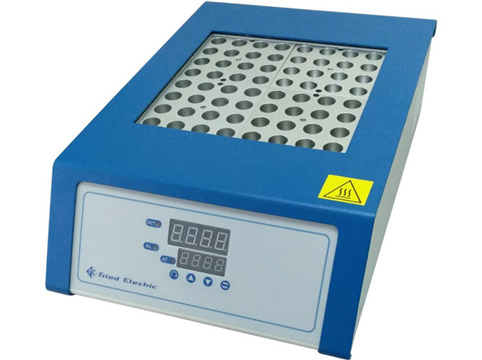
Water Quality Analysis - COD (Chemical Oxygen Demand) Testing
Among the various parameters tested in water quality analysis, Chemical Oxygen Demand (COD) stands out as a key metric for measuring organic pollution levels.
What is COD (Chemical Oxygen Demand)
COD measures the amount of oxygen required to chemically oxidize organic and inorganic matter in water. It's a direct indicator of the water's pollution level. Unlike Biochemical Oxygen Demand (BOD), which measures biological activity, COD gives an instant snapshot of the total organic matter, making it an essential parameter for wastewater analysis.
At its core, COD testing involves oxidizing organic matter in water using a strong chemical agent, such as potassium dichromate. The resulting chemical reaction consumes oxygen, which is then quantified to determine the COD value. The higher the COD, the greater the level of pollution.
Applications of COD Testing
From industrial effluents to municipal wastewater, Chemical Oxygen Demand testing finds applications across various sectors. It helps industries comply with environmental regulations and ensures the effective functioning of wastewater treatment plants.
Benefits of Regular COD Monitoring
Routine COD testing not only helps industries meet legal standards but also important in safeguarding aquatic ecosystems. By identifying pollution hotspots, it aids in implementing targeted remediation strategies.
Why COD Testing is Essential
This testing is crucial because it helps determine water pollution levels, assess the effectiveness of wastewater treatment processes, and ensure environmental compliance. It’s widely used across industries and environmental monitoring initiatives.
Understanding Water Quality
They provide a snapshot of water quality, highlighting the presence of pollutants that can harm ecosystems and public health.
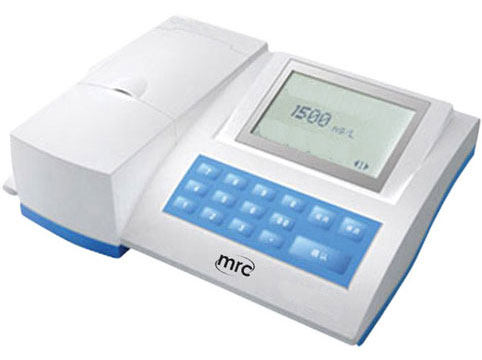
Assessing Environmental Impact
By analyzing COD levels, researchers and organizations can determine the environmental footprint of various activities, from industrial processes to agricultural runoff.
Industrial Applications of COD Testing
Wastewater Treatment
Monitoring Industrial Discharges
Industries use them to monitor the quality of their effluents, ensuring that they meet regulatory standards before discharge.
Optimizing Treatment Processes
By tracking COD levels, facilities can fine-tune treatment processes to reduce pollutants effectively, saving costs and improving efficiency.
Food and Beverage Industry
This testing is essential in this sector to manage organic waste and ensure that discharged water complies with environmental regulations.
Chemical Manufacturing
Chemical plants rely on COD testing to detect hazardous waste and minimize their impact on local water systems.
Municipal and Environmental Applications
Urban Wastewater Management
Municipalities use them to manage and treat urban wastewater, ensuring public health and environmental safety.
River and Lake Monitoring
Regular testing of natural water bodies helps in monitoring and mitigating pollution, preserving aquatic ecosystems.
Applications in Research and Development
Academic Studies
COD testing is a fundamental tool in environmental science research, aiding in studies of pollution sources and water treatment methods.
Technological Advancements
Researchers use them to develop innovative treatment technologies and environmentally friendly practices.