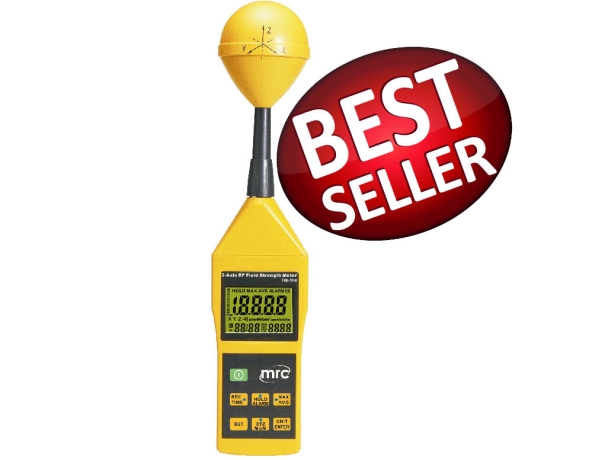
MUNRO Electromagnetic testers are devices that utilize electromagnetic fields to inspect and analyze materials. They detect flaws, measure properties, and ensure product quality.
In industries where safety and precision are paramount, electromagnetic testers have become indispensable. From aviation to automotive sectors, they ensure reliability while reducing waste.
Applications of Electromagnetic Testers
Aerospace and Aviation
Electromagnetic testers ensure the structural integrity of aircraft components, enhancing passenger safety and operational reliability.
Automotive Industry
From engine parts to structural elements, these testers guarantee the quality of vehicles before they hit the road.
Construction and Infrastructure
They helps detect flaws in construction materials, ensuring the durability and safety of buildings and bridges.
Energy and Power Generation
In power plants, these devices inspect turbines, boilers, and pipelines, preventing costly failures.
Details of Electromagnetic Testing
Non-Destructive Nature
Testing materials without damaging them preserves their usability, saving costs and time.
High Sensitivity and Accuracy
Electromagnetic testers detect even minute defects, ensuring optimal product quality.
Cost-Effectiveness Over Time
While the initial investment can be high, their efficiency and reusability make them cost-effective in the long run.
Maintenance and Calibration of Electromagnetic Testers
Importance of Regular Maintenance
Routine maintenance extends the lifespan of testers and ensures consistent performance.
Steps for Proper Calibration
Follow manufacturer guidelines to calibrate your device, ensuring accurate results.
Troubleshooting Common Issues
Address issues like signal interference or equipment wear promptly to avoid inaccurate readings.
How to use Electromagnetic testers
Understand the Equipment
- Identify the Tester Type: Know whether your electromagnetic tester is for field measurement, material testing, or fault detection.
- Review the Manual: Familiarize yourself with the specific model's features, buttons, and operation.
- Prepare the Accessories: Ensure you have all necessary accessories such as probes, cables, and power sources.
2. Prepare the Tester
- Power On: Switch on the tester and allow it to calibrate if required.
- Calibration: Most testers need calibration against a known standard. Follow the manufacturer's instructions for accurate calibration.
- Set the Parameters: Input or adjust settings such as frequency, range, and sensitivity as per your testing requirements.
3. Prepare the Test Object
- Clean the Surface: Ensure the test material's surface is clean and free of contaminants to avoid interference.
- Positioning: Place the test object in a stable and accessible location for testing.
4. Perform the Test
- Place the Probe: Position the probe on the material or in the field where the measurement is needed.
- Take Measurements: Observe the readings displayed on the screen. For some testers, you might need to move the probe over the material or rotate it for comprehensive results.
- Record Data: Log the readings for analysis, either manually or via connected software if the device supports it.
5. Analyze Results
- Compare Data: Use the tester’s guidelines to interpret the results. Compare them with standard values to assess the material or field characteristics.
- Identify Issues: Look for deviations or anomalies indicating potential faults or non-compliance.