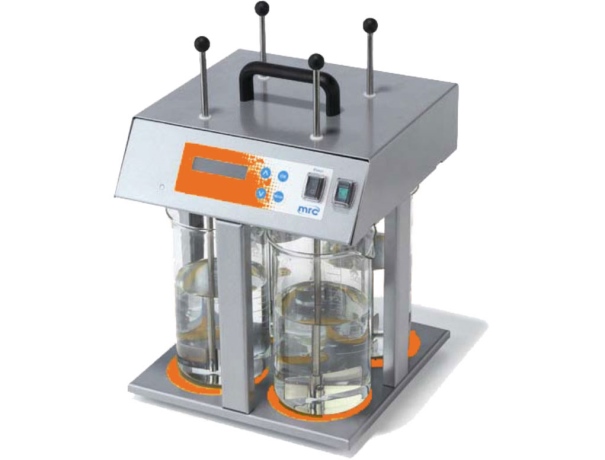
When it comes to ensuring the purity of water, one of the most essential processes in water treatment is the flocculator, often demonstrated through the Jar Test. This method is pivotal in both municipal and industrial water treatment settings, providing a straightforward and effective way to assess and enhance water quality.
What is Flocculation?
Flocculation is a water treatment process where colloids and other suspended particles aggregate into larger particles, or flocs, making them easier to remove from water. This aggregation is facilitated by the addition of flocculants.
Role of Flocculants
Flocculants are substances that promote the clumping of particles, aiding in their removal. These can be natural or synthetic chemicals designed to enhance the flocculation process.
Flocculation Process
- Coagulation: Chemicals are added to the liquid to destabilize the particles.
- Flocculation: The destabilized particles are mixed to form larger aggregates or flocs.
- Sedimentation: The flocs settle out of the liquid due to their increased size and weight.
Applications of Flocculators
Water and Wastewater Treatment
Flocculators are extensively used in water and wastewater treatment facilities. They help in removing impurities, making the water safe for consumption or discharge.
Industrial Processes
In industries like mining, textiles, and paper production, flocculators are used to treat process water and effluents, ensuring that harmful substances are removed before the water is reused or discharged.
Food and Beverage Industry
The food and beverage industry uses flocculators to clarify liquids and remove particles, ensuring product quality and safety.
Benefits of Using Flocculators
Improved Water Quality
By effectively removing contaminants, flocculators improve the overall quality of water, making it safe for various uses.
Cost Efficiency
Flocculators can reduce the need for expensive filtration processes, thus saving costs in water treatment.
The Science Behind Flocculation
Chemical Reactions
Flocculation involves complex chemical reactions where flocculants neutralize the charges of particles, allowing them to stick together.
Physical Processes
Beyond chemistry, flocculation also involves physical interactions such as bridging and entanglement, where particles physically connect to form larger aggregates.
Factors Affecting Flocculation
Several factors influence the efficiency of flocculation, including:
- pH levels
- Temperature
- Concentration of suspended solids
- Type and dosage of flocculant
Applications of the Jar Test
Municipal Water Treatment
In municipal settings, Jar Tests are essential for treating drinking water, ensuring it meets safety standards before distribution.
Industrial Wastewater Treatment
Industries use Jar Tests to treat wastewater, removing harmful substances before discharge or reuse.
Agricultural Runoff Management
Jar Tests help manage agricultural runoff, preventing pollutants from entering natural water bodies.
Advantages of Using Jar Test
Precision in Chemical Dosing
The Jar Test allows precise determination of the required chemical dosages, optimizing treatment efficiency.
Cost Efficiency
By identifying the optimal flocculant dosage, the Jar Test helps reduce chemical costs and prevent waste.
Environmental Impact
Accurate dosing minimizes the environmental impact of chemical use in water treatment.